

Aaaaahhhh! the Bees! Not the Bees!
9 years ago
Featured Answer
Sort by:Oldest
Comments (58)
 9 years ago
 9 years agolast modified: 9 years ago
Related Discussions
Bees Bees and more Bees!
Comments (3)We had an ungodly number of bees, wasps and dirt dobbers this year. They never stung us but they were everywhere. Whe then had a flock of birds come and live with us, 2 adults and 4 little ones from what I could tell. My wife said they were roosting but I don't know what that means. Maybe it means pooping all over everything because that's what I saw. Now all the insects are gone including the bees, wasps and DD's. I don't know if the birds ate them or ran them off or maybe the two things have nothing in common but I like the birds the best if something has to live with us....See MoreDo bumble bees, honey bees, and yellow jackets mind their own business
Comments (6)Honey bees will cover every single flower on holly, making it seem alive with the hard working insects. You can hear them before you see them. YJs aren't so noisy. You should be able to easily tell a honey bee from a yellow jacket by the lack of very bright yellow and black on the bee body and that fact that bees are fuzzier. Both of these insects and many more are nectar and pollen feeders and will be found on holly, which is very attractive to all manner of pollinators, but only honeybees gather and collect nectar and pollen in order to bring back to their hives, for storage and the feeding of larvae. The relationship between bees and hollies is legendary. I would certainly hope that they are allowed to continue their work unmolested. No need to be afraid. Yes, they mind their own business, lol!...See MoreBees, bees, bees!
Comments (12)Well, yuck, that's one of my least favorite things to find dead in the garden. My latest sighting was the first leaf-footed bug of the season. It wasn't in my garden. It was on the native plum fruit. I reached out with a pair of scissors to cut it in half, but it saw them coming and quickly fell into the tall grass in the pasture next door, as our plum trees grow right along the fence line. Maybe I'll get that leaf-footed bug another day, hopefully before it moves to the tomato plants. We haven't had all that many garden pests yet, and a lot of the ones that prey specifically on cool-season crops never showed up. Caterpillars are really starting to show up now, and the number of baby grasshoppers is scary. The big thing I'm seeing tons of is spider mites, both in the fields and in the garden. I gues one reason there's so many in the garden is because the fields are full of them. I saw some vetch plants underneath the native plums that are totally bleached out in color already due to the spider mites. I guess we can blame all the early heat for the really robust herd of spider mites everywhere. I had noticed spider mites on the bush bean plants, but the bush beans have been producing forever and are slowing down now so I'm thinking of yanking them out before the spider mites can spread and find the pole beans and southern peas....See MoreBee hives with bees for sale - should I buy it?
Comments (4)I started my bee-keeping journey in March of this year. I started off with two hives. Now I have four. Two newer hives were from bees I was able to capture during swarming. Both of my original hives swarmed in June. I was lucky to be around when the swarming happened. Reading and researching about bees, I knew that the colony would swarm in the May-June time frame. So I prepared two sets of hive boxes ahead of time. I make my own. Looks like I will have to make more boxes for next year depending on how my four hives survive the winter. I did not take out any honey this year. Since this is my first year, and since I don't want my bees to go hungry during winter, I opted not to harvest honey this year....See More- 9 years agolast modified: 9 years ago
- 9 years ago
 9 years ago
- 9 years ago
- 9 years ago
- 9 years agolast modified: 9 years ago
- 9 years ago
- 9 years ago
- 9 years ago
 9 years ago
- 9 years ago
- 9 years agolast modified: 9 years ago
- 9 years ago
- 9 years ago
 9 years agolast modified: 9 years ago
 9 years ago
- 9 years ago
- 9 years ago
- 9 years ago
 9 years ago
- 9 years ago
- 9 years ago
- 9 years ago
- 9 years ago
 9 years agolast modified: 9 years ago
- 9 years ago
- 9 years ago
- 9 years ago
- 9 years ago
 9 years ago
- 9 years ago
- 9 years ago
- 9 years ago
- 9 years ago
- 9 years ago
 9 years ago
- 9 years ago
- 9 years agolast modified: 9 years ago
- 9 years ago
 9 years ago
- 9 years ago
- 9 years ago
- 9 years ago
- 9 years ago
- 9 years ago
- 9 years ago
- 9 years ago
 9 years ago
Related Stories

DECORATING GUIDESHoneycomb Shapes Are the Bee’s Knees
The hexagon is everywhere in nature — in honeycombs, tortoiseshells, snowflakes. Why not replicate it in home design?
Full Story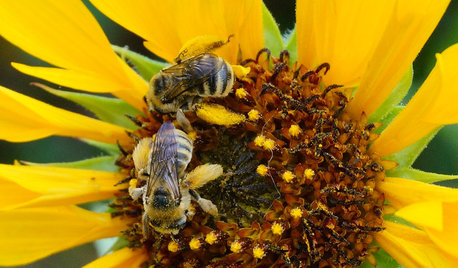
EARTH DAY12 Entertaining ‘Bee-haviors’ of Native Bees
The parade of pollinator antics is another reason to create a garden that nurtures native bees
Full Story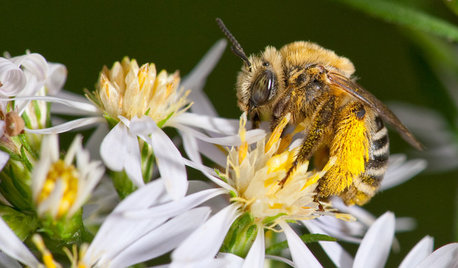
GARDENING GUIDESLook for Long-Horned Bees on Summer's Flowers
These insects are busy in the garden come summer and fall, pollinating sunflowers, coneflowers, asters and more
Full Story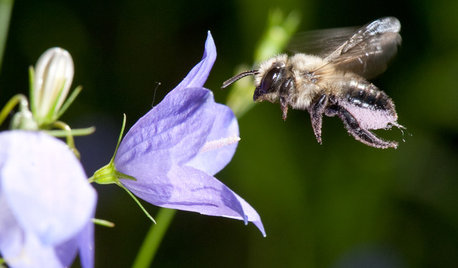
GARDENING GUIDESPut Out the Welcome Mat for Leafcutter Bees in Your Garden
Provide a diversity of flowering plants from spring through fall for these charismatic native bees, and you won’t be disappointed
Full Story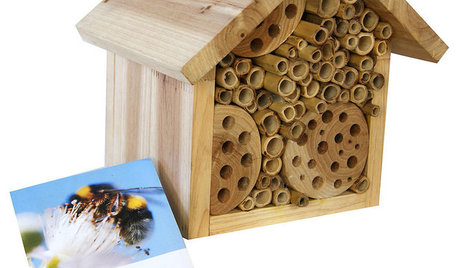
PRODUCT PICKSGuest Picks: 20 Ways to Play Garden Host to Birds and Bees
Perch some of these houses and feeders around your garden, and watch pollinators and feathered friends flock in
Full Story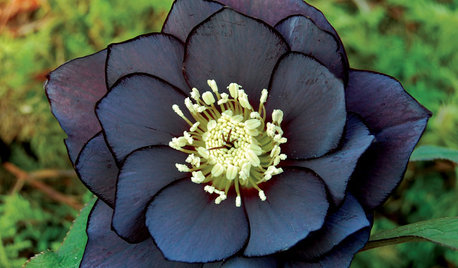
FALL GARDENINGFeed the Bees With These Enchanting Winter Blossoms
Add drama — and nourishment for pollinators — with these beautiful winter-blooming flowers
Full Story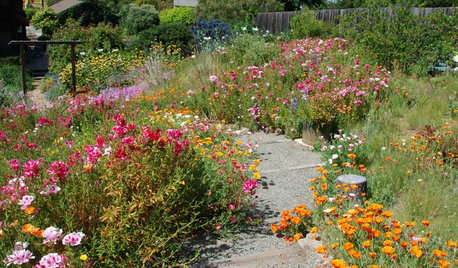
EARTH DAYHow to Design a Garden for Native Bees
Create a garden that not only looks beautiful but also nurtures native bees — and helps other wildlife in the process
Full Story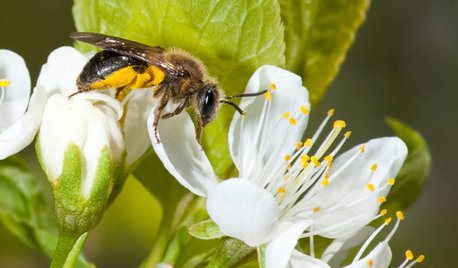
EARTH DAYBeyond Honeybees: Learn About These 10 Fascinating Native Bees
Every garden attracts a variety of bees. Find out more about common bee genera that often get overlooked
Full Story
GARDENING GUIDESHow to Give Essential Bees the Support They Need
It’s hard to grow fruits and veggies without these hardworking insects. Here’s what we can do to help bring them back
Full Story
LIFEYou Said It: ‘You Can Help Save the Bees’ and More Houzz Quotables
Design advice, inspiration and observations that struck a chord this week
Full Story
lily316