

Old Pistol
9 years ago

Featured Answer
Sort by:Oldest
Comments (21)
- 9 years agolast modified: 9 years ago
 9 years ago
Related Discussions
How to stop 8 month old from hoovering at my ankles
Comments (3)If you really want to use an aversive I would try it with the "no" Ginny -- then after a few times try the "no" without the bottle. Try to wean off the bottle so that you only need the word. Your aim is to teach her that "no" means "stop whatever you're doing." You won't always have the bottle with you, after all. So the "no" comes first, and the squirt only comes if she doesn't move away. Cats have extremely sensitive senses of smell, perhaps even stronger than dogs. You can certainly try using different things on your pants legs. You might find that something as simple as lemon or vanilla discorages the behavior. But like having the bottle with you at all times, this is an inconvenience. Have you considered using clicker training to put the behavior on cue? That way you could cue it when you wnated it and cue him not to do it when you don't want it. You would both win that way. Plus, you'd be teaching with reward, not punishment. Plus, you'd be learning skills that would help you with traiing your other two cats as well, and you and your kitties would all have a lot of fun training times together....See MoreAunt Mildred
Comments (5)It is WAY too early in the morning for me to look at any of those "People of Walmart" photos! This posting is funny. The droopies: Proof that God is not a woman....See MoreToday's Funny
Comments (5)Thanks, Jasdip, I really like to get a good chuckle in the morning. It starts the day right, and even makes my coffee tastes better....See MoreNot any of us quality as old, but....
Comments (19)More Stuff: 1. Clothes lines (Ever run under one while riding your bicycle? Gives a real meaning to the term, "clothes lined.) 2. Monday laundry day with the Maytag Washer powered by a small gasoline engine. (The engine could be cantankerous.) The washer sat outside with very little protection from the weather. 3. Introduction of the safety wringer. The safety wringer became necessary once the wringer became powered by a motor. Too many horror stories happened when the lady of the house got her hair or sleeve caught in the wringer. This safety feature came in two styles: 1) When an object got between the rollers that spread those beyond the normal diatance, the mechanism was tripped and literally came apart to disengage drive power to the roller. 2) A trip bar was placed in front to the wringers. When something got drawn into the trip bar, the mechanism came apart. In an emergency, a person could hit the trip bar to stop the wringer. 4. Fence stretchers. Used to intall barbed wire fencing. 5. Home made kites using weed stems for light weight sticks and newspaper for covering. (We had access to big, woody weeds called horseweed.) The paper was held by home made paste made of flour or corn starch. We raided the 'rag bag' for material to make the tail. 6. Rubber band powered model airplanes. (Not very effective.) 7. Cap pistols and Roy Rogers and LOne Ranger outfits. 8. Hand and foot operated air pumps for inflating tires. 9. Daisy BB guns. 10. Manual shifters and clutches - no automatic transmissions. 11. Hill holders - Kept the car from rolling backward while stopped at a traffic light on a hill. Ever try to go from keeping the car from rolling backard and shifting into gear to go forward on a hill? And do it smoothly? You needed an extra foot. 12. Brake light swithces were pressure switches plumbed to the hydraulic brake lines. Occasionaly, one would leak badly or the diaphram failed and caused loss of brakes. That's when the manual 'parking brake' became an emergency brake. In fact, in Model-A Fords with mechanical brakes, that little lever was called the emergency brake and it as needed. I know from personal experience. 13. Before combines, there were mowing machines, hay rakes, binders, and threshing machines. 14. Autos running without air cleaners could expect to need new rings every 20,000 to 30,000 miles. 15. Road draft tubes. Fumes from the crankcase was vented underneath the engine through an open tube. The end of the tube was cut on an angle. The air flow over the end of the tube induced a weak draft to help purge the crankcase. Where did the stuff go? On the road and the underside of the car. Look at photos of highways from the 1940s and you can obvserve an oil streak in the center of the lane unless the concrete was very new. This oil streak was a peril to motorcyclist when they leaned into a turn and happened to creep into this oil slick especailly if it was bit wet. 16. Steam engines on railroads. I remember the phase out of the last of these on the Balitmore and Ohio railway. 17. Hobos. 18. Huckster Trucks. During WW2 when everything was rationed, county grocery stores ran a panel truck route to their customers homes bringing basic items like bread, canned goods, sugar, spices, salt, etc. The made two runs per week. If an item was not on the truck on Monday, you could place an order and it would be delivered 2 to 3 days later on their next run. The huckester truck was given a gasoline alowance, but most farmers had only enough gasoline for their tractors and very little 'ration stamps' for tires. Autos remained parked for days on end. The national speed limit was 45 mph for private vehicles. 19. Bell bottomed trousers. 20. Pant leg clips - to keep pant legs out of the bicycle chain. - very necessary with bell bottoms. 21. Schwinn was a big name in bicycles. It no longer exists. I beleive that the tradename is still emplyed....See More 9 years agolast modified: 9 years ago
- 9 years ago
- 9 years ago
- 9 years ago
- 9 years ago
- 9 years ago
- 9 years ago
 9 years ago
- 9 years agolast modified: 9 years ago
- 9 years ago
- 9 years agolast modified: 9 years ago
- 9 years ago
- 9 years ago
- 9 years ago
 9 years agolast modified: 9 years ago
- 9 years ago
- 9 years ago
- 4 years ago


Related Stories
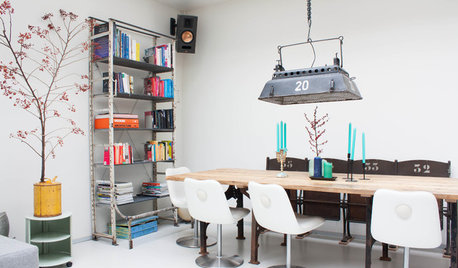
HOUZZ TOURSMy Houzz: From Dreary Storeroom to Modern, Light-Filled Home
Tricks with light and space turn a former storage area into a bright and airy-feeling living space for two
Full Story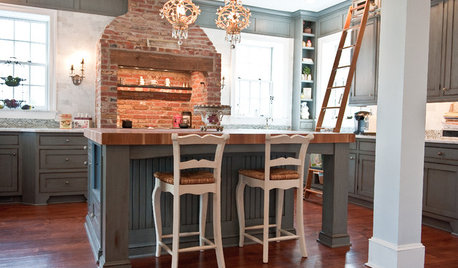
KITCHEN DESIGNKitchen of the Week: An Elegant 18th-Century Remodel
A 1790 kitchen in New Jersey is remodeled with modern appliances, cabinetry and finishes while keeping historical character in mind
Full Story
HOUZZ TOURSMy Houzz: Artful and Open Dallas Townhome
An art-loving Texas homeowner leverages open space, light and a creative mind to fashion a gallery space for living
Full Story
DECORATING GUIDESPop Culture Watch: 12 Home Trends from the '80s Are Back
Hold on to your hat (over your humongous hair); interior design elements of the 1980s have shot forward to today, in updated fashion
Full Story
REMODELING GUIDESYou Won't Believe What These Homeowners Found in Their Walls
From the banal to the downright bizarre, these uncovered artifacts may get you wondering what may be hidden in your own home
Full Story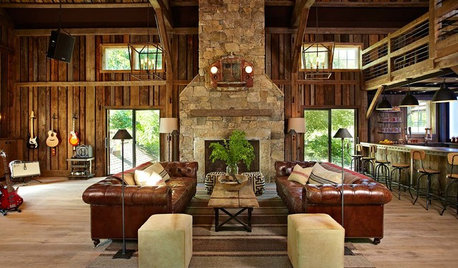
MAN SPACESHouzz Tour: Rocking Out in a Converted Stable
Get an all-access look at a decked-out Connecticut music space a rock star would love
Full Story
PETSHow to Help Your Dog Be a Good Neighbor
Good fences certainly help, but be sure to introduce your pup to the neighbors and check in from time to time
Full Story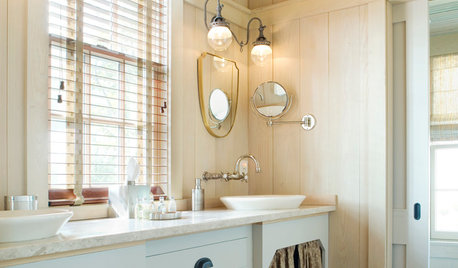
BATHROOM WORKBOOK8 Elements of a Farmhouse-Style Bathroom
Go simple, repurposed and vintage for a farmhouse-style bath with the comforts of today
Full Story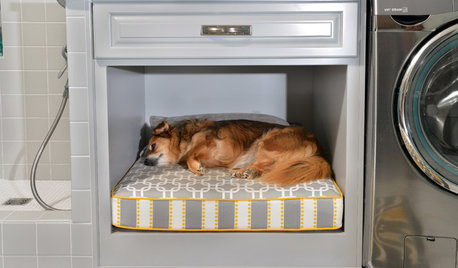
PETSRoom of the Day: Laundry Room Goes to the Dogs
Muddy paws are no problem in this new multipurpose room
Full Story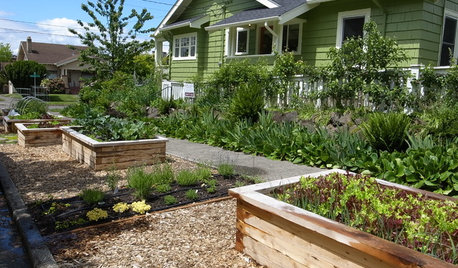
BEFORE AND AFTERSSee 6 Yards Transformed by Losing Their Lawns
Wondering whether a turf lawn is the best use of your outdoor space? These homeowners did, and they found creative alternatives
Full StorySponsored
More Discussions


breenthumb