

Anyone here buy/try the The Jr. Akorn Kamado Kooker Charcoal grill?
9 years ago
Featured Answer
Sort by:Oldest
Comments (8)
Related Discussions
Money Well Spent ?(repost from cooking outdoors)
Comments (17)I have a $4,000- Vielux grill. They stopped making them a couple of yesrs ago. I love the grill but I also have some regrets. On the love side: This thing COOKS! After we bought it, we went over a friends house and they just bought a grill that looked as good as mine for a fraction of the cost. I tried to make a recipe that I made on my grill. I cut fresh peaches in half, dipped the open part in sugar and carmelized the sugar, face down on the grill. (I can post the whole recipe if anyone is interested). It didn't work. The peaches got mushy, and the sugar didn't get carmelized. It didn't have the power. The differece on meats is even more dramatic. It also take less time to cook on high heat. Even heat is important too. That requires cleaning the parts where the gas comes out. I recomend finding out how hard it is to clean those parts before you make a decision. The apect that I'm unhappy about is that the cavity is so large that if I want to make 2 lamb chops, I have to turn on at least half the grill, what a waste of gas! I asked the salesman when I bought it "what if I want to make one or two lambchops?" He said that's easy, you just turn on one or two rows of heat. The problem is that one row of heat barely get the it warm, it can't char meat. Don't let them tell that it will be different with an other grill, it won't. I wish I had a grill with two cavities, like my parents had....See MoreOutdoor Grills - DCS vs. American Outdoor Grill
Comments (21)I have cooked on all three and the TEK IR is the only gas grill that cooks as well as charcoal. It's advantages over charcoal are that it is quick to set up, easy to clean up and does an excellent job of creating the charcoal taste. As many here know, the flavor is created by the smoke from the fat striking the hot surface be it charcoal or something else. The higher the IR energy (from gas or charcoal) and the less the flame, the more smoke generated rather than being turned into additional flame. The TEK creates a great deal of smoke because the IR glass sits between the flame and the dripping grease. On older style IR burners there is still an open flame to ignite the grease drippings reducing the amount of smoke to add flavor. With charcoal, once the embers are glowing red, it is emitting a lot of IR and much less to no flame and hence produces a lot of smoke and flavor. I have owned the FireMagic and I would not purchase another. The burners are cast SS but they still do rust over time and the flavor grills wear out too. They are very hard to clean and the heat was not anywhere near as good as the advertisements. If you are the type that never clean a grill and don't mind a gritty looking grill it may not matter. I am the type that wants it to look clean and inviting each time and the self cleaning feature along with the dishwasher removal panels makes the TEK a breeze to clean and keep looking nice. For me that was worth a lot. The more conventional grills like the Firemagic, even with their ceramic infrared burner are not even a close match....See MoreEasy peasy cooking for a college student with limited
Comments (56)Some thoughts... Cooking for yourself can be boring and almost painful. Ideally get a roommate (or gf or other) who loves to cook or for whom you'd like to cook, if that's an option. Cooking for one can be expensive, but sometimes better than eating same boring fast food too. I enjoy a good sandwich to this day. Some deli meat, decent bread or bun or even some whack-a-tube biscuits. Flame type grills are banned in a lot of apartment/dorm situations. An electric grill might be allowed. Foreman type are appliances and seldom not allowed. I've never had a Foreman type but see a lot of people talk about putting a couple wet paper towels in the unit when you're done and let it steam the gunk off while you eat, then wipe it down. And, I know from experience, just because stuff is dirty doesn't mean it won't get used! Especially by college kids, bachelors or the like! :) An electric frypan is a versatile appliance. Cook, bake, steam and more. Easy to clean up. Is there an issue with roomies helping themselves to the food if he puts up a "stock"? That could be an issue. Much depends on what he likes so I can't really help with recipes, more trying to give ideas. I also know if you don't like to cook, are busy, don't like to eat out, don't feel well or whatever reason you might not eat well, especially if eating isn't a priority with you. The last couple weeks, I've averaged eating every 2-3 days. Doesn't hurt me to miss a meal but a college kid needs nutrition too. So there's a concern I'm sure. One organizing idea is some meal planning help. Sit down and do a menu for a couple weeks, helps with using the stuff too. For example: Sunday: Pot roast, potatoes, veg of choice Monday: Roast beef sandwiches Tuesday: Soup/Salad Wed: Store bought roasted Chicken, instant Mashed potatoes, salad Thurs: Leftover chicken etc One thing I thought of is country style ribs or baby backs for that matter. Braised are simple and good eating. Lots of meat and little waste, well no waste on CS. Deli slaw or make his own from a bag of slaw mix and a bottle of poppy seed dressing with a little extra seasoning. Suggestions on organizing and things like that might mean more than just some recipes, but a few recipes he likes, even if adapted from canned, deli or the like could help. Tater tot hotdish is easy enough. Quick chili. Chunky soup in a can ain't all that bad either folks. Yes, it's not gourmet fare but then again it beats a a McSlider anyday. Quesadillas are easy and you can do a variety of things. I like a "pizadilla". Tortillas, pepperoni, cut up brown & serve sausage, pizza sauce and cheese. I usually do a double decker. Into the electric frypan, do one side, flip, then add the next layer, then flip once more. Good eats and quick. There's always toast and peanut butter. Peanut butter and celery sticks. Crackers, cheese and summer sausage. Brown & serve sausage & eggs with some toast and maybe some Simply Potatoes or fry some canned sliced potatoes. Hash brown casserole? Toss in some meat. Hamburger/macaroni hotdish is easy and tasty. You can do a good garlic bread and top it with some pepperoni and cheese. None of these are overly time consuming but sometimes if you just don't feel like it, you won't do it. Hope you're getting some ideas and hope he doesn't starve to death! :)...See MoreAnyone Have a Big Green Egg or Kamado grill?
Comments (22)A drip pan. I used a BGE paella pan as the drip pan originally. My unit comes with a specialized one that fits the shape of the unit. I find this invaluable when making burgers and other fatty items. When the fat hits the coals, it changes the flavor of the food. A couple of good cleaning brushes. I am trying some new ones and let you know what I think this week. I agree with a thermometer. If you are going to do a lot of meats like Brisket, etc, I would get a temperature controller like a guru or stoker. If looking for a basic thermometer, I use the Thermoworks product that is highly praised on the cooking and BBQ forums. A good set of tongs. I love the Oxo tongs because they are a balanced size and make grabbing or turning stuff very easy. I find most BBQ tongs too big and difficult to use. Hardy gloves and grill grate lifters. Because the grills get really hot, grill grate lifters work wonderfully. I use suede gloves or mittens personally. They are many good options out there. An exterior cover for the grill. When not in use, my grill is covered with a sunbrella like fabric cover that is washable. Does your unit support a rotisserie? I have one and love it. It may be some thing to confirm in case you want one in the future. Somewhere to store the stuff the goes with the grill. I don't know if your unit has an option for storage but you may want to evaluate it or find some standalone units to go with it. Good luck!...See More- 9 years ago
- 9 years agolast modified: 9 years ago
- 9 years ago




Related Stories
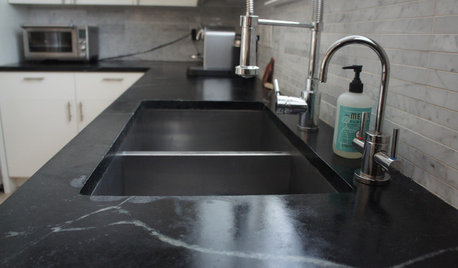
KITCHEN DESIGNSoapstone Counters: A Love Story
Love means accepting — maybe even celebrating — imperfections. See if soapstone’s assets and imperfections will work for you
Full Story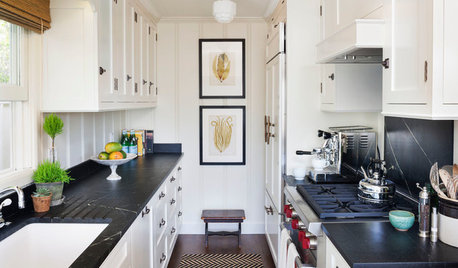
KITCHEN DESIGNWhy a Designer Kept Her Kitchen Walls
Closed kitchens help hide messes (and smells) and create a zone for ‘me time.’ Do you like your kitchen open or closed?
Full Story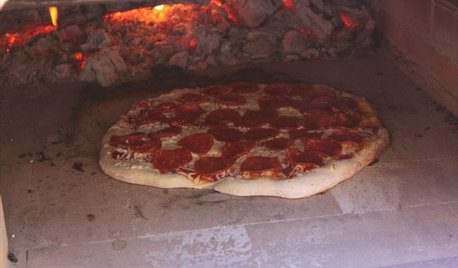
GREAT HOME PROJECTSHow to Get a Pizza Oven for the Patio
New project for a new year: Light a fire under plans for an outdoor oven and claim the best pizza in town
Full Story
INSIDE HOUZZA New Houzz Survey Reveals What You Really Want in Your Kitchen
Discover what Houzzers are planning for their new kitchens and which features are falling off the design radar
Full Story
COLORPick-a-Paint Help: How to Create a Whole-House Color Palette
Don't be daunted. With these strategies, building a cohesive palette for your entire home is less difficult than it seems
Full Story
Elmer J Fudd