

Elderly parents almost scammed
9 years ago
Featured Answer
Sort by:Oldest
Comments (47)
 9 years ago
 9 years ago
Related Discussions
Need Suggestions for Vacuum Cleaner for Elderly Parents
Comments (39)I see that you already made a decision with your vacuum purchase for your parents, and am glad it is working well for them. I realize you don't need this info, but posting in case helpful to anyone else. I have an Oreck XL 21 that I purchased 9 yrs ago when pregnant (it has 21 annual cleanings/maintenance), but this was when they were still made in US, I believe. Works well, and I love the lightweight aspect and huge bags (they hold lots and lots of dirt/animal hair!), which are easy to change. I also have a small, rechargeable Shark bagless for quick clean-ups for the fall out from my daughter's gerbils, and quick dog/cat hair pickup. Gotta say, I HATE emptying it, and digging out the hair collected in the filters. Have a 15 year old Miele White Star canister too (like many here, I do have a bit of an addiction to vacs). Give us another update after they've been using them for a while. =)...See MoreLosing an elderly parent
Comments (24)I think as long as you do something, it'll be fine, and appreciated that you made the gesture. My mother passed away just a little over 4 months ago. It was unexpected and not an easy passing. My school gave me a VISA gift card which I later used to purchase reprints of the beautiful picture the funeral home had made of her, along with frames, for myself and my sons. They also sent a fruit arrangement which arrived at the perfect time as we were serving a brunch to family members who had come from out of town. Two of my closer colleagues gave me a gift card to my favorite garden shop - which I'm going to use to purchase something for my garden in memory of my mother, either a plant or a garden art piece. My cadre sent a flower arrangement and a restaurant gift card, which was helpful because during that time my husband and I were able to turn around and go out to eat one night instead of trying to figure out during that difficult time what to make for dinner. We also received other flower arrangements and lots of cards. What also touched my heart were the cards that a few of my friends sent me a month or so later that let them know they were still holding me in their thoughts and prayers. Sorry this is so long, but all these gestures meant the world to me. So again, I think whatever you decide to do, will mean so much to your daughter-in-law....See MoreElderly Parents
Comments (37)I realize this comment is a bit off topic, but the conversation has touched upon this issue of having parents clean out their houses themselves before they check out of this mortal coil. I am a bit mystified by this new requirement we are placing on our parents. I come from a family that keep their houses and possessions in fairly meticulous order, so that may color my thinking. However, even if my parents did live in more cluttered houses, I cannot understand the need to torture people over their possessions. Are we asking our elderly to clean out their houses so they can quietly dig their own graves? If you come from a family where people are untidy and collect too much stuff, so be it. You can offer to help clean up and if the offer is refused, then you cope with the issue once the time comes. Did your parents ask you to clean up after your diapers and projectile vomiting? Did your parents refuse to launder your clothes or help you move from place to place as you grew older and went away to school and got your first jobs? Were you left to fend for yourself (my husband was, so I know it happens), but it is relatively rare. What I think happens is that our parents refuse to live as we wish. They refuse to accept our dearly held beliefs about the value of stuff and perhaps more importantly the value of our time, and so we become self-righteous and demand that they divest themselves of things that hold meaning for them and rob them of the last vestiges of control they have over their lives as their health fails. I think that is a terrible way to treat our families. Now, with respect to the actual question at hand, Cookie, I don't think you can help your parents out of this situation. They have built their lives this way and you can only help pick up the pieces once they fall- you cannot help keep the pieces from falling prematurely. Advocate for your father to get some help and have rest and relaxation. He should not suffer more for your mother's choices....See MoreLooking at senior living for my elderly parents--
Comments (44)warning/long rant here. My StD is about 3 yrs younger than my Mom. She just turned 87. She needed a shoulder replacement 10 -15 yrs ago, and refused to do it. Now she's in immense pain from that as well as arthritis in her feet so badly that makes it so difficult for her to even walk. My StD literally brags on the fact that she doesn't take any medication, when in reality, her pain would be reduced if she would! But he is against "taking pills." Then again, he's not the one in constant pain. Right before C-vid shut the world down, I finally convinced her to get a housekeeper to come in every week to help. She wasn't thrilled, but adjusted, and then she got used to them coming. She would even make comments like. "Oh I'll leave that for the housekeepers to tend to" which was pretty funny , since she fussed about them in the 1st place. Then that ended. StD was happy it ended because it was something they had to pay for, yet he doesn't do much to help. He is so tight he squeaks when he walks. He has decided they are NOT going to move in to any kind of facility any time soon. He's "not ready" to give up his grandiose house in his grandiose neighborhood and his doctor/attorney/business owner neighbors. I kid you not, when we go to visit, he has me drive around the neighborhood and points out who lives where and what they do for a living, as if I care and as if these people are going to be the ones to take care of them. On the other hand, my Mother would move here in a heartbeat. There is nothing I can do to change his mind and frankly, I'm not even going to try. It breaks my heart that my Mother isn't going to be closer, and I can't just make an impromptu visit on a whim. I can see a big change in her. The lock down has taken a harsh toll on her. She has struggled with depression in the past, and I fear that is starting to set in again. She craves being with family, and he craves appearing to have an ostentatious lifestyle. Sadly, no one is impressed with this but him. Kswl- no need to apologize at all. :-) Thank you all for the input. I'll file it away for a rainy day....See More 9 years ago
- 9 years ago
 9 years agolast modified: 9 years ago
 9 years agolast modified: 9 years ago
- 9 years ago
 9 years ago
 9 years ago
 9 years ago
 9 years ago
- 9 years ago
 9 years ago
- 9 years ago
- 9 years agolast modified: 9 years ago
- 9 years ago
- 9 years ago
- 9 years ago
- 9 years ago
 9 years ago
- 9 years ago
- 9 years ago
- 9 years ago
- 9 years ago
 9 years agolast modified: 9 years ago
- 9 years ago
- 9 years ago
- 9 years ago
- 9 years ago
- 9 years ago
 9 years agolast modified: 9 years ago
- 9 years ago
 PRO9 years ago
- 9 years ago
- 9 years ago
- 9 years ago
- 9 years ago
- 9 years ago
 9 years ago
- 9 years ago
- 9 years ago
- 9 years ago
- 9 years ago
- 9 years ago

Related Stories
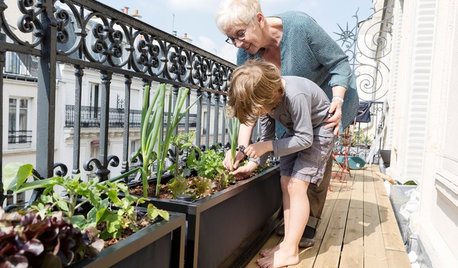
UNIVERSAL DESIGN10 Questions to Ask Before Sharing Your Home With Aging Parents
Honest conversation is key to deciding whether it makes sense to have your parents move in with you
Full Story
LIFETell Us: Do You Know How to Live With Your Parents?
If you've tried multigenerational living under one roof, we'd love to hear the details
Full Story
ADDITIONSParents' Places: Ideas for Integrating an In-Law Suite
Get expert advice and inspiration for adding a comfy extra living space to your home
Full Story
MOST POPULARThe Not Naturally Organized Parent's Guide to the Holidays
This year get real about what you can and cannot handle, and remember the joys of spending time with the ones you love
Full Story
HOUZZ TOURSHouzz Tour: Innovative Home Reunites Generations Under One Roof
Parents build a bright and sunny modern house where they can age in place alongside their 3 grown children and significant others
Full Story
CONTEMPORARY HOMESHouzz Tour: A Heartfelt Home Amid the Trees
An architect helps his parents’ dreams come true by building them a ‘forever home’ connected to its valley views
Full Story
HOUZZ TOURSMy Houzz: History and Charm Infuse a California Hilltop Home
They've lived almost 50 years in one home, but this constantly renovating couple has design tastes that don't stand still
Full Story
HOUZZ TOURSHouzz Tour: A Hillside Home Commands Attention and Views
Striking for its almost alien form, this asymmetrical Arkansas home makes the most of metal panels and sweeping vistas
Full Story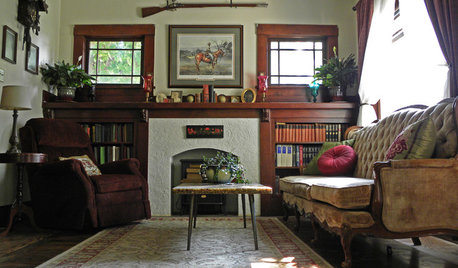
HOUZZ TOURSMy Houzz: 2 Generations Unite in an Oregon Craftsman
For the love of a little boy (and a few chickens), a resourceful family creates a multigenerational home infused with graciousness
Full Story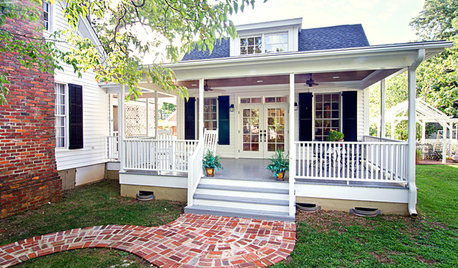
LIFE8 Ways to Make an Extra-Full Nest Work Happily
If multiple generations or extended family shares your home, these strategies can help you keep the peace
Full Story
User