

Are crushed tomatoes same as tomato puree?
9 years ago
Featured Answer
Sort by:Oldest
Comments (10)
Related Discussions
Pureed Tomatoes
Comments (7)Don't know the consistency of commercially canned pureed tomatoes. never used them. But you can always just peel, run through the food processor, heat, add the lemon juice or citric acid, and can per the tomato sauce instructions. Or better yet just used the Crushed Tomatoes instructions at NCHFP. That is the most popular method for most of us. One of the methods should be similar to the canned ones from the store. Dave Here is a link that might be useful: NCHFP - Canning tomatoes...See MoreSimple method to crush tomatoes?
Comments (12)I just have a regular old Cuisineart immersion blender. Nothing fancy. But it does the job. If you read many of my "how do you do it" type of posts, you'll find that I use my immersion blender A LOT. When I do paste type tomatoes, I tend to remove the seeds - after I peel and core, I cut the tomato in half, and with my thumb, I flick the seeds out. I don't get all the seeds, but lots of them. Then again, I typically use the paste tomatoes when I'm making marinara. I leave the seeds in with my slicer tomatoes - I've switched over and now do mostly diced tomatoes with my slicers. I can't figure out any way to get the seeds out, but still have the "diced" tomatoes. If I strain the tomatoes, I end up with more of a sauce consistency that I personally do not like. Here is a link that might be useful: Immersion Blender...See MoreCanning using canned crushed tomatoes?
Comments (4)Dave is correct. Using canned tomatoes is not recommended if fresh are called for. They will not be the same in density, as they are already cooked and more dense. You should follow a safe, tested recipe for all homecanned foods. Using your own recipes is not an advised thing to do. You don't know the ph level of your recipe, nor the density. Both are important factors when canning. Elizabeth Andress from NCFHFP, who wrote the USDA guidelines has advised us from using previously canned tomatoes in canning sauces, unless the recipe specifically calls for doing so. Freezing your own sauce using canned tomatoes would be the safe way to go....See Moreadding vinegar to tomato puree
Comments (12)judydel, Many people, like you, have canned tomatoes with adding only a little acid or even no acid for many years and have never had a problem. Tomatoes are right on the borderline of being acidic enough to be sure to kill any botulism spores that might end up in them. So usually it's fine, unless folks use particularly low-acid tomatoes. Botulism is rarely found in tomatoes, and even if it is, your canned tomato sauce is probably acidic enough to kill it, especially with the bit of acid you've added, which was the recommended amount for many years. I personally would happily eat your tomato sauce (definitely sounds thicker than juice to me!) because the CHANCES of it not being safe are small. But.... Dave is right that the recommendations have changed to call for adding more acid. The reason is that you can't tell, at home, for SURE how acidic your tomato products are; sometimes the kind of soil, the weather, how ripe they are, etc. can affect them, and it's possible to get some that are not quite acidic enough to kill botulism for sure. AND... while botulism is rare, it's VERY dangerous --- often fatal --- and it happens to grow in vacuum environments like canned goods, if they aren't acidic enough --- and there's NO WAY to tell if it's in your cans, because it's odoourless and tasteless and invisible. So the latest recommendations are forumlated for guaranteed safety. A lot of people prefer to go with the guarantee rather than the "only a small chance of a problem." To follow the latest regs and be perfectly sure of being safe, you need to add more acid than you've been doing. The recommendation is four tablespoons of vinegar for a quart. IF you use lemon juice, you can use only two tablespoons because it's a stronger acid (bottled lemon juice is recommended rather than fresh, because its acidity level is known). You can also buy citric acid, which is really concentrated and has almost no flavour, and use only a half teaspoon. Welcome to the forum! Isn't home-canned tomato sauce a wonderful thing? Cheers, Z...See More 9 years ago
 9 years agolast modified: 9 years ago
 9 years ago
 9 years ago
- 9 years ago
 9 years ago

Related Stories
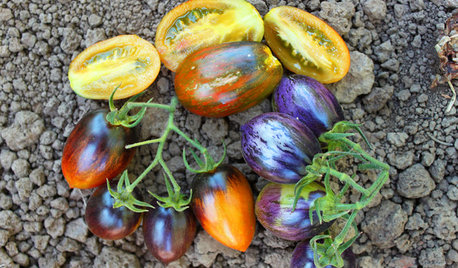
EDIBLE GARDENSOpen Up a World of Color and Flavor With These 10 Edible Plants
Jewel-toned corn, tie-dyed tomatoes, purple broccoli? Expand your horizons with heirloom varieties
Full Story

EDIBLE GARDENSGarden BFFs? Why Your Vegetables Are Begging for Companion Plants
Foster friendships among plants for protection from pests, pollination support and color camaraderie
Full Story
SUMMER GARDENINGHouzz Call: Please Show Us Your Summer Garden!
Share pictures of your home and yard this summer — we’d love to feature them in an upcoming story
Full Story
PRODUCT PICKSGuest Picks: Canning, Preserving, Steaming, Dehydrating
20 products to help make fall produce last through the season and beyond
Full Story
FARM YOUR YARDMy Houzz: Backyard Farming for a Kansas City Family
A backyard garden provides a family of 5 with organic seasonal produce. Here's how they do it
Full Story
DECORATING GUIDESFeast on Farm-Fresh Color
Rooms need a color fix? Take a peek inside your market basket — nature's palette is hard to beat for paint, fabrics and accessories
Full Story
SHOP HOUZZShop Houzz: The Velvet Touch
Give your rooms a rich, luxurious feel to counter chilly days
Full Story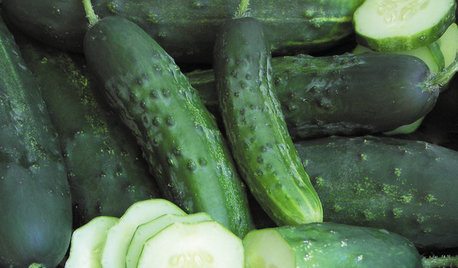
SUMMER FRUITS AND VEGETABLESSummer Crops: How to Grow Cucumbers
Pick a peck for pickles or opt for fewer and raw — no matter how you slice them, cucumbers are great for summer gardens small to large
Full Story
STUDIOS AND WORKSHOPSCreative Houzz Users Share Their ‘She Sheds’
Much thought, creativity and love goes into creating small places of your own
Full Story
Lars