

Identify nest
9 years ago
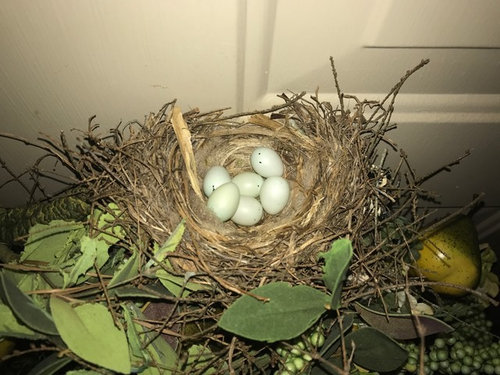
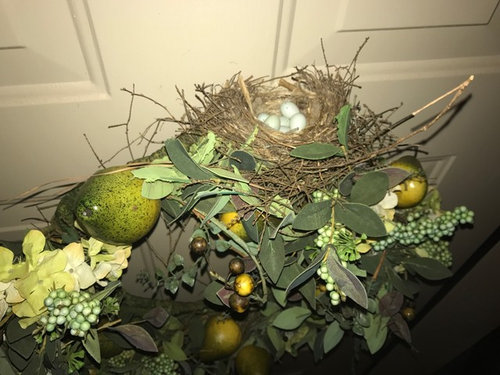
Featured Answer
Sort by:Oldest
Comments (8)
 9 years ago
 9 years ago
Related Discussions
can anybody help me identify this nest and eggs
Comments (10)Yes, it is all bark really. The only other bird I thought could be possible was a Carolina Wren but I don't think so. We moved the house today after much though. We were at a loss what to do. The house has broken wood on the bottom, don't know how this happened but it was leaning where it was attached to the pole. I'm afraid it would not have made it safely with the birds inside. So, we made the decision to move the house gently to an area where it will have support, about 10-12 feet directly behind the pole, and pray. We have not gone out there today hoping that with piece and quite momma will not mind the move and brave coming back. We had no clue what else to do and felt this was the safest thing to give them a chance. At first I thought it was kind of silly that this bird was bring mulch into the house until I checked again and noticed the 6 eggs. Hopefully I'll get some pictures....See MoreNeed help identifying bird nest
Comments (3)I used to run a range of greenhouses and for sure there would be a couple wrens to nest in the hanging baskets. I'd put a sign on it to not water it and they were fine with people coming and going and doing their thing, with one or two ugly baskets going dry so they could fledge. They're tidy parents who as soon as the chicks are able to fledge get them up and out of there faster than any bird I've ever seen. Love my wrens!...See MoreBees or yellow jackets nesting in house
Comments (1)If these are bees now is the time contact a bee keeper to remove them. Since you have been working in the area with no problem I would suspect you do have bees and not the ornery Yellow Jackets. I think what you have seen about moving bees refers to bees in intact hives with a good food source. It would not be very likely that the bees food source would be moved with them and they would need time to make more and late winter/early spring is not a good time to do that. If they are Yellow Jackets, wasps, and they are not a problem you could wait until cold weather set in or take steps now to eliminate them. kimmq is kimmsr...See MorePlease help identify this nest - mud dauber or yellow jacket?
Comments (4)Scrape off, stomp on ground, then clean-off spot w warm water and sponge...spray and insecticide after it dries - note, mud-daubers will rarely bother or sting you, only be a nuisance and leave mud-stains. they do, however, kill a lot of other insects they use a food for larvae in nest, mainly spiders... and yes, most wasps make paper nests. Paper = sting, so be cautious....See More- 9 years agolast modified: 9 years ago
- 9 years ago
 9 years ago
- 9 years ago
Related Stories
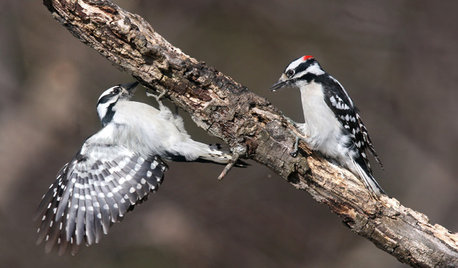
GARDENING FOR BIRDSBackyard Birds: How to Identify Two Common Woodpeckers
Downy and hairy woodpeckers have similar coloration and behavior. But there are two big differences that separate them
Full Story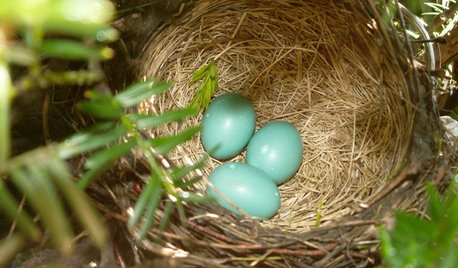
GARDENING FOR BIRDSWhat to Know About Birds Nesting in Your Yard
Learn how to observe, record data and help ornithologists with NestWatch’s citizen science project understand bird trends
Full Story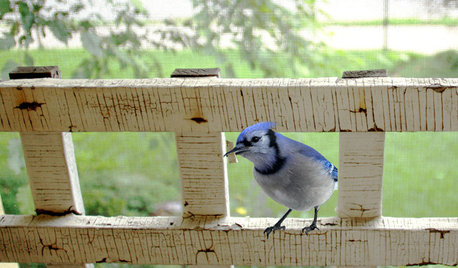
GARDENING FOR BIRDSBackyard Birds: Meet Some Clever and Curious Jays
Boisterous jays provide plenty of backyard bird-watching in winter. Here’s how to identify all the varieties and welcome them into your yard
Full Story
TREESNative Plant Alternatives to Invasive Common Buckthorn
Learn how to identify and control this aggressive plant, and what to grow in its place
Full Story
LIFEHave the Kids Left Home? 16 Things to Consider
‘An empty nest is not an empty heart’ and other wisdom for when the household changes
Full Story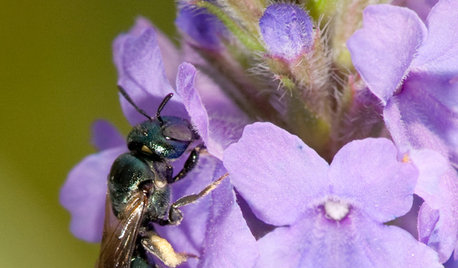
GARDENING GUIDESSmall Carpenter Bees Are Looking for a Home in Your Plant Stems
Provide flowers and nesting sites in your garden for this beautiful, tiny, metallic blue wild bee — your plants will thank you
Full Story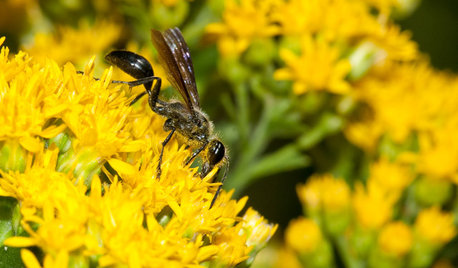
GARDENING GUIDESMeet the Grass-Carrying Wasp, a Gentle Pollinator of Summer Flowers
These fascinating insects nest in wood cavities and hollow plant stems
Full Story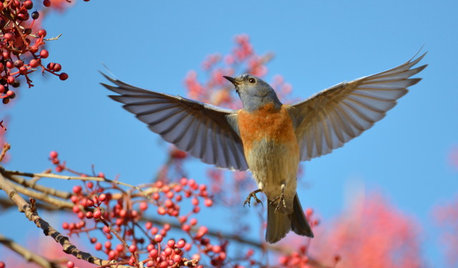
GARDENING GUIDESHow to Bring the Joy of Bluebirds to Your Garden
Attract these beautiful songbirds with nesting habitat and food sources, including berry-producing trees and shrubs
Full Story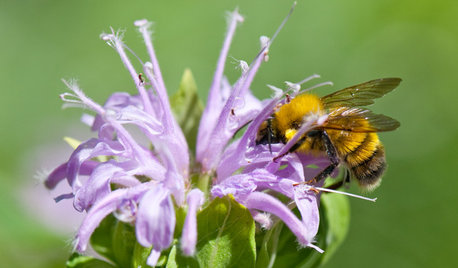
GARDENING GUIDESSupport Bumblebees by Providing Forage in 3 Seasons
Bumblebees are fascinating and fun to observe foraging in gardens. Find out how to create a buffet for these fuzzy, charismatic bees
Full Story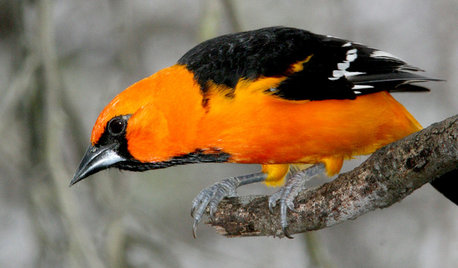
GARDENING GUIDESBackyard Birds: Orioles Return After Spending Winter in the Tropics
These colorful songbirds prefer woodlands and forest edges, but they’ll visit yards with fruit-producing trees and shrubs
Full StorySponsored
More Discussions
whwo