

Spot spraying grass around native plants
10 years ago
Featured Answer
Sort by:Oldest
Comments (14)
Related Discussions
Native Grass planting in AZ
Comments (8)What is your objective? Why are you going with buffalo rather than hybrid bermuda or St Augustine? Is the area full sun? I hear about Habiturf. It seems to be a little dicey to get started, but once in, it performs as advertised. The seeded buffalo grass is not going to be all female. In fact it would probably be a little leggy with very tall male and female flower stems that make it look shaggy in a week after mowing. I'm not sure blue grama will thrive in Phoenix. Have you asked around about that? If so, then you should be able to mix it like you are suggesting in with the Legacy buffalo. Have you seen Tech Turf from the Turffalo company? It is a hybrid buffalo that has both male and female, but it is better behaved than most. By that I mean the seed stalks grow at about the same rate as the grass itself, so it never looks shaggy. But since the seed and flowers are brown, it has that brown cast to it. Also Tech Turf grows very dense. Most buffalo is a thin turf and prone to weeds. Tech Turf is not. It spreads much faster, too. Here are two pictures of Tech Turf from Lubbock, TX. The first is mowed at 3/4-inch every week. The second is mowed to 2.5 inches, but as you can see, not very often. But that second pic gives you an idea of how dense it can get. Those runners are trying like mad to spread. The second one was probably 5 inches high and had not been mowed for 3 weeks. A normal buffalo grass would have had seed stalks standing up 10 inches or so in that time....See MoreWhitlow Grass Native or Not?
Comments (7)I am always skeptical of what is in wikipedia, especially when a claim like that is not followed by a citation. For all we know the only person claiming it to be native to both continents is the person who wrote the wikipedia entry. My best sources state that Draba verna was introduced from Eurasia. It probably has been here for a long time, as Aldo Leopold included a short section in his Sand County Almanac titled "Draba"....See MoreRehabbing land for native plants - stilt grass
Comments (2)Interesting document. Weed whacking in late summer before fruit seems a good option (and native plants should recover from whacking also). Remember, this is an annual plant so the best approach to prevent it from setting seed. Interesting to read that grazing is not an option because cattle won't feed on it. I think that is a major leg up for most of our invasives (chinese privet, jap. honeysuckle, etc.)- grazing animals, including DEER, aren't helping us to control it. In fact, they help it thrive by leaving it alone!!...See MorePolkweed in Native Grasses
Comments (2)I spent the evening cleaning pokeweed out of my shrub row and cursing it. I can't imagine trying to get rid of it on 60 acres so you have my sympathy. The taproot is thick like a bulb and hard to pull. I try to get them when they're small but there's always some that hide in the bushes. I've been trying to keep them from maturing so the birds won't scatter the seed but they're hard to keep up with. I had a LOT of seedlings this year. I can't pull them up even when they're small. They just break off. I have to dig every one. (I needed to vent) When they're big they branch out so it would be hard to spray them without spraying your other plants as well and I bet the roots go pretty deep. What I've been trying (on the ones that are large) is using loppers on them a few inches above ground level. Right at ground level, the stem will be solid, but if you cut them up a little higher, it's sort of hollow and you can easily pour some brush or stump killer in there. I wished I had marked the ones that I did that to last year so I would know for sure whether it worked but I didn't. I'm just hoping. It must sound like an overwhelming job to cut acres of pokeweed but if you mow them, the roots will regrow next year. You may be able to keep them from going to seed again though....See More 10 years ago
 10 years ago
- 10 years ago
- 10 years ago
- 10 years ago
- 10 years ago
- 10 years ago
- 10 years ago
- 10 years ago
- 10 years ago
- 10 years ago


Related Stories
GARDENING GUIDES10 Top California Native Plants, Trees and Grasses
Enjoy a fuss-free, water-wise garden in the Golden State by growing plants naturally in tune with the climate and wildlife
Full Story
GARDENING FOR BUTTERFLIESGreat Design Plant: Red Yucca Spikes Dry Spots With Color
Neither heat nor cold nor lack of water fazes this flowering succulent, which adds spiky texture to Southwestern landscapes
Full Story
GARDENING GUIDES6 Native Ground Covers for Tough, Dry Spots
Sun beating down on your sandy gravel? Thick shade darkening your clay soil? There’s a ground cover here for you
Full Story
SUMMER GARDENINGGreat Design Plant: Pink Muhly Grass
Bring billowing clouds of pink to your yard with this heat-tolerant, sun-loving ornamental grass
Full Story
GARDENING GUIDES8 Native Flowers to Brighten Shady Garden Spots
These self-spreading plants from around the country will create a low-maintenance splash from spring to fall
Full Story
GARDENING FOR BUTTERFLIES3 Ways Native Plants Make Gardening So Much Better
You probably know about the lower maintenance. But native plants' other benefits go far beyond a little less watering and weeding
Full Story
FLOWERS6 Overlooked Asters for Tough Spots
Whether your garden has baking sun or dry dense shade, boggy soil or sandy gravel, there's an aster for that
Full Story
GARDENING GUIDESThese Hummingbird-Attracting Native Plants May Surprise You
These flowers, vines and shrubs offer shelter and food supplies that keep hummingbirds around longer
Full Story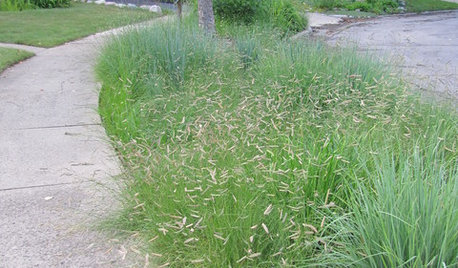
GARDENING GUIDESGreat Design Plant: Bouteloua Gracilis
Resilient blue grama grass thrives in sunny meadows and parking strips in the western U.S.
Full Story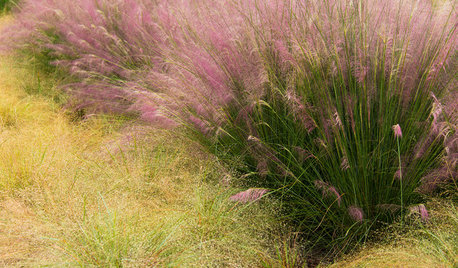
GARDENING GUIDES8 Native Grasses and Sedges for Southeastern Gardens
These plants bring beautiful texture to the landscape
Full Story
wisconsitom