

Millions of bees killed
10 years ago
last modified: 10 years ago
Featured Answer
Sort by:Oldest
Comments (10)
 10 years ago
 10 years agolast modified: 10 years ago
Related Discussions
Petition to Bayer to eliminate product killing bees
Comments (7)Yikes we really are in a war for our own lives. If we lose the bees we lose most of our food. Most people have just no clue how important these insects are. There is a combined global effort on numerous multinational companies to make us sick this is in collaberation with the hugely profitable pharmacutical industry. Before anyone says what another conspiracy theory-THINK how many drug commercials do you see and they tell you of all the side effects. If anyone wants more information about this go to www.knowthelies.com. In fact right now this issue with Bayer and the bees are the top headline. Remember as is said NO BEES=NO FOOD=NO MORE PEOPLE. Scott Scott...See MoreGround Bees swarming! Don't Want to KILL them!
Comments (2)Thank you for the link Kimmsr, Here in Texas, Yellow Jackets nest in fruit trees (I got stung 26 times once when climbing a mulberry tree over in Fort Worth,by yellow jackets nesting in the tree!) and, indeed, in sheds. Yellow Jacket Wasps sting whenever they get a chance. They do not allow you to walk right up to them and NOT sting you. Bees, on the other hand, don't sting unless somebody is sending out scared vibes or picking on them. Yellow Jackets look different than bees. Do Yellow Jackets dance,have a lot of hair, and have black butts? The tiny flying fuzzy butts I am seeing are dancing and wiggling and seeming to communicate just like bees....See More"How Your Bee-Friendly Garden May Actually Be Killing Bees"
Comments (5)While there could potentially be some concern from plants you grow from seed (treated seed, etc.), it is unlikely to be any issues with the plants you grow yourself since you decide how you deal with pests and disease on those plants. Make sure you are using no chemicals that harm bees, and you have no issues with those plants. On the other hand, you have absolutely no control over the chemicals used to treat plants you buy from most shops and big box stores. Their objectives are likely far different than yours. This article spells out a key problem, pointing out that some of the favorite and most effective pesticides/fungicides are completely unacceptable for the health and well-being of bees. We've all seen and heard about bee declines, and while not all is completely understood, everything seems to be pointing to many of the recent chemicals, determined to be far safer for humans (so everyone thinks "Great!"), namely these Neonicotinoids, that are just not all they are cracked up to be. I've actually decided to completely avoid them at all cost in my own home garden. The alternative, for plants that you cannot start yourself, is to select nurseries and growers that also avoid using these harmful chemicals. It will really require a concerted effort to eliminate the use of these chemicals - our lives and the quality of them will be far less if we are unable to stop the destruction of bees....See MoreKILLING BEES - WHY?!
Comments (1)I'm not. What traps are you yelling about?...See More 10 years ago
- 10 years ago
- 10 years ago
 10 years agolast modified: 10 years ago
- 10 years ago
- 10 years ago
 10 years ago

Related Stories
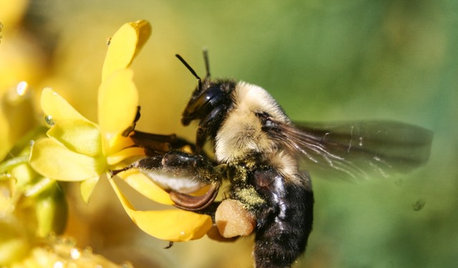
GARDENING FOR BUTTERFLIESGardening for the Bees, and Why It’s a Good Thing
When you discover how hard bees work for our food supply, you may never garden without them in mind again
Full Story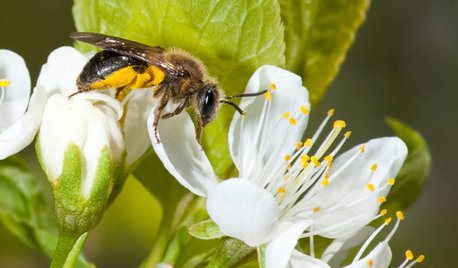
GARDENING GUIDESInvite Mining Bees to Your Garden by Planting Their Favorite Plants
Look for mining bees (Andrena) pollinating woodland wildflowers in U.S. gardens this spring
Full Story
MOST POPULARThe Perfect Houseplant for People Who Kill Houseplants
If you can fill a jar with water, you can keep golden pothos vine happy — and it will pay you back with cleaner air and a greener home
Full Story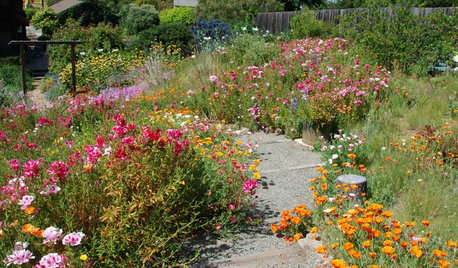
EARTH DAYHow to Design a Garden for Native Bees
Create a garden that not only looks beautiful but also nurtures native bees — and helps other wildlife in the process
Full Story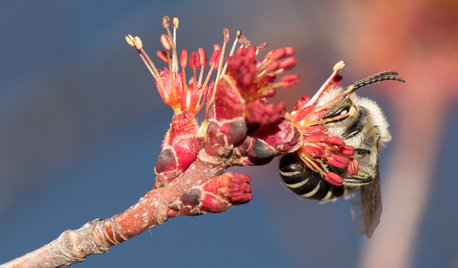
GARDENING GUIDESInvite Cellophane Bees to Your Garden by Providing Patches of Bare Soil
Look for cellophane bees (Colletes) pollinating flowering trees and shrubs in U.S. gardens this spring
Full Story
GARDENING GUIDESPlant Black Cherry Trees for the Birds and Bees
Plant Prunus serotina in the Central and Eastern U.S. for spring flowers, interesting bark and beautiful fall color
Full Story
LIFEWhy We Want a House With a Great View
Research shows that just looking at nature has powerful mental benefits. Here's how to get a boost — with or without a million-dollar view
Full Story
FARM YOUR YARDHello, Honey: Beekeeping Anywhere for Fun, Food and Good Deeds
We need pollinators, and they increasingly need us too. Here, why and how to be a bee friend
Full Story
GREEN BUILDINGWorld of Design: The Joy of Moss and Its Modern Uses
This great design plant is 400 million years in the making. See how it’s inspiring art, soothing spaces and building design
Full Story
GARDENING GUIDESGreat Design Plant: Butterfly Milkweed, a Beacon in the Prairie
Vivacious orange flowers for you, nectar for the butterflies and bees. Asclepias tuberosa is worth planting for more reasons than one
Full Story
arkansas girl