

They Say You Can Attract Bees With Honey...
10 years ago
Featured Answer
Sort by:Oldest
Comments (25)
 10 years ago
Related Discussions
attracting bees
Comments (5)brdldylstlu - One of the best ways to attract bees is to plant the flowers that they are attracted to. I planted some borage - which can become quite a pest if it likes the area, and reseeds profusely. The bees love it. However, the best ways I've found is to avoid use of pesticides - and they will find you. My present colony was a volunteer swarm that happened to like my apricot tree. I looked into the yellow pages to find a "bee man" and he brushed them off the tree and into an old hive (I had one empty just laying around from previous years.) I had some bees - as a beginner from another location. They really were quite happy here - and I notice all of my trees and berry bushes seem well-pollinated. Last week, we had a Santa Ana (hot desert winds) that brought in a lot of painted lady butterflies - and from that time on, I seem to notice a lot fewer bees on the plants. Whether this caused them to swarm or not, I'm not too sure. We are also experiencing a lot of noise from frantic building in our area - which may or may not be contributing. Anyway, yesterday, I donned my "suit and veil" and opened the hive. Actually, it seemed to be "business as usual" but I am at a loss as to why they are not flying in the yard. You might try the library for books on beekeeping, if you are interested. I have two books - One is "First Lessons in Beekeeping" by Dadant, and the other is "Practical Beekeeping" by Garden Ways. Both are very good although perhaps others would have more up-to-date information. This forum is also a good source of information. Just my 2 cents. Another good plant pollinator is basil - which I try to plant near my tomatoes each year. Bejay...See MoreHoney bees in my garden: where's the hive?
Comments (2)Cameron, You sound like the perfect kind of neighbor to have - doing things exactly right. When I'm sitting out on my back porch come about September, the back yard (field) looks like a main runway for the Monarchs headed to Mexico! There's a very uniform movement of them from north to south with several coming by every minute of the daylight hours - it's really fun to watch. The honeybees certainly can be from a wild (feral) colony - not all have died out (like the news reports would have you believe). But in the same breath, I would say, it's equally possible that one of your neighbors has a hive or two around that you're unaware of. Generally, the bees will forage within a radius of about two or three miles. However, they could be much closer also (a few hundred yards). There are "old timey" ways to locate the hive or tree where their hive is but you can at least get a sense of the direction to it by putting out a few drops of honey on a paper plate or jar lid. Once the bees have discovered the honey, they will 'load up' on it and fly directly back to their hive - just (carefully) observe their direction of flight. They might make a couple of small circles to get their orientation but then they will unmistakably dart off in a particular direction. The vitex is great for attracting the bees (as is certain types of lavender). In a different posting, someone else asked about the 'bee bee tree' - that's also great for the bees. The tree grows pretty fast and doesn't get too big and I've stood under it when it seemed to me, to be raining nectar! They also love the blooms of the lime tree (basswood) tree which grows in the mountain part of NC....See MoreI need to attract bees in a bad way
Comments (11)I love pollinators and have a single hive and the last thing I would do is discourage you from getting a hive. However, we should also be looking at environmental factors in your own area that could contribute to your lack of honeybees. Number 1 on my list would be weather. IN my area of new england, there was rain nearly every single day between mid JUly and mid August. An extended stretch of unseasonable weather could affect the bees' ability to forage widely, or plant devel0pment might be affected, blooming plants could be knocked down by a combination of rain and wind. So just for the heck of it, why don't we think of all the reasons you may not have many honeybees. Also, think of other pollinators who may or may not be around the garden. You should know I am a very new beekeeeper and seemed to have experienced more failures than successes. However , I feel pretty comfortable sticking my neck out in the midst of some very successful "growers"....See MoreI want to attract bees to my veggie garden
Comments (16)We're beginner beekeepers, so of course we've been very attuned to what plants in our landscape seem to attract our bees...to our surprise, my little bed of cleome (spider flower) is our bees' most popular hanging-out place in our yard, next to the white clover in the lawn. The bees hit the cleome early in the morning and then late in the evening, and the plants are literally bent over with honeybees. Nothing in our bee books or networking with beekeepers would have led us to believe that bees have a special fondness for this flower. Other bee favorites we've noticed, although nothing like the cleome: Our bean plants usually have bees buzzing around them; also catmint and lavender. On the other hand, we've been told that sedum are a good nectar source for bees, but we really don't see them in our sedum bed. Ditto borage -- an oft-noted "bee plant," but we just don't notice the bees on our borage. (This may be because they visit at a different time of day than the early morning/early evening when we're gardening.)...See More- 10 years ago
- 10 years ago
- 10 years ago
- 10 years ago
- 10 years agolast modified: 10 years ago
- 10 years ago
 10 years ago
- 10 years ago
- 10 years ago
 10 years ago




Related Stories
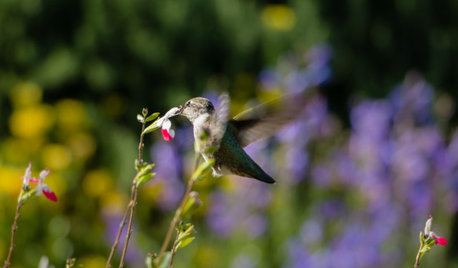
GARDENING GUIDESAttract Hummingbirds and Bees With These Beautiful Summer Flowers
Roll out a welcome mat for pollinators to keep your landscape in balance and thriving
Full Story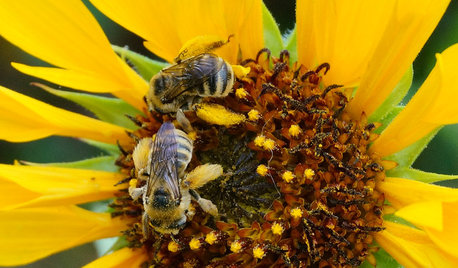
EARTH DAY12 Entertaining ‘Bee-haviors’ of Native Bees
The parade of pollinator antics is another reason to create a garden that nurtures native bees
Full Story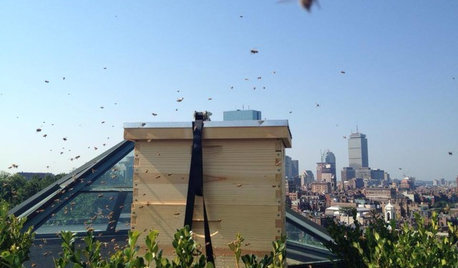
FARM YOUR YARDHello, Honey: Beekeeping Anywhere for Fun, Food and Good Deeds
We need pollinators, and they increasingly need us too. Here, why and how to be a bee friend
Full Story
LANDSCAPE DESIGNCalifornia Says Goodbye to the Sprawling Ornamental Lawn
New state rules will effectively limit turfgrass to 25 percent of the landscape in most new and renovated yards
Full Story
FLOWERS15 Native Flowers That Attract Butterflies
By picking plants from this list that are right for your location, you’ll get colorful blooms and support pretty pollinators
Full Story
CALIFORNIA NATIVE PLANTSGreat Design Plant: Asclepias Is Attractive to Monarch Butterflies
Increase monarch butterfly populations in California by planting stunning native milkweeds
Full Story
GARDENING GUIDESThese Hummingbird-Attracting Native Plants May Surprise You
These flowers, vines and shrubs offer shelter and food supplies that keep hummingbirds around longer
Full Story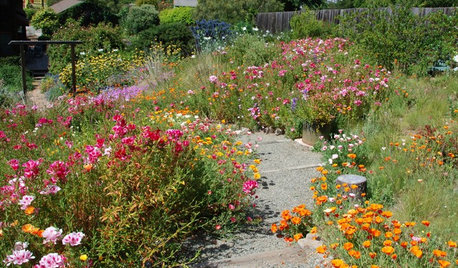
EARTH DAYHow to Design a Garden for Native Bees
Create a garden that not only looks beautiful but also nurtures native bees — and helps other wildlife in the process
Full Story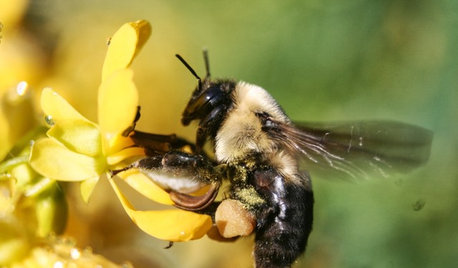
GARDENING FOR BUTTERFLIESGardening for the Bees, and Why It’s a Good Thing
When you discover how hard bees work for our food supply, you may never garden without them in mind again
Full Story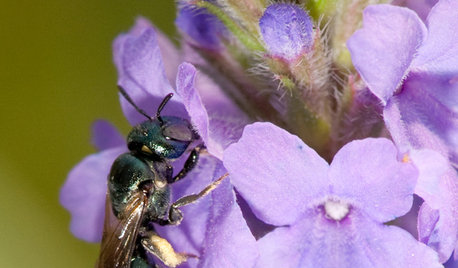
GARDENING GUIDESSmall Carpenter Bees Are Looking for a Home in Your Plant Stems
Provide flowers and nesting sites in your garden for this beautiful, tiny, metallic blue wild bee — your plants will thank you
Full Story

Elmer J Fudd