

Native Plants that didn't come back in my garden.
10 years ago
Featured Answer
Sort by:Oldest
Comments (16)
 10 years ago
 10 years ago
Related Discussions
Flower carpet scarlet roses didn't come back
Comments (4)If you are really in zone 3 (-40 F), it will be hard to grow any roses except as annuals. But in case you want to try again, here are a couple of suggestions. 1. Plant grafted roses deep, with the graft buried several inches. 2. Winter protection is not to protect against snow and frost. It is to protect against serious cold that would damage the hardened canes and roots. In this case you are trying to save the graft or the underground crown from fatal levels of hard freezing. So do not protect because snow and frost are forecast. Wait until the plants are dormant, this will help them harden up. Protect when temperatures of 10 F and below are forecast. 3. Burlap is probably useless in this situation. None of the canes of regular modern roses are going to survive winter. Pile soil deeply over the crown of the plant and top with a mulch that will have some insulating quality. The soil will conduct ground heat from further down and provide a "thermal mass" that reduces temperature swings. 4. In spring, remove the cover and prune the canes down to healthy white pith. This will probably entail taking all the canes down to the graft, or if ungrafted, the natural crown between canes and roots. If you are lucky, some of the grafts/crowns will survive. For what it's worth, we had a poster, Riku in zone 3 Alberta, who tried hard to grow roses for a few years. He brought in a truckload of peat every fall and covered the entire bed a foot deep. He got some roses to survive. I suggest that you try the Canadian Explorer roses, the bush types not the climbers, for example 'Champlain'. These will be hardier, and some cane may survive. See the link. Here is a link that might be useful: HMF...See MoreWho Didn't Come Back?
Comments (8)Only ones nissing are a couple of Whirlwinds (I had 10 in a rock garden, down to 8 now) and Spilt Milk (gonna dig it up to search for roots). Mt. Tom, as per last year, was the last to show, just last week. And he isn't looking too great. May have to replant him as well. The early birds who popped before the last, late freeze - looking a bit shabby, some of them! My bigger concern right now is the fledgling robins who are running around in the hostas and everywhere else in the yard. They keep scaring the carp out of me and then doing the same to themselves wherever they stand! Becky...See MoreBlue passi didn't come back
Comments (2)The growing season is not done yet, but even if it doesn't come back this year, passion vine is notorious for showing up still in the coming years, when you thought it was gone....See More'We didn't have the green thing back in my day.'
Comments (38)There's a lot of truth to many of the things brought up, and people wax nostalgically about "the good old days" but not many people really want to go back too far. Few will give up their cell phones, cars, remote controls, cable/satellite TV, microwaves automatic washers and the like. I'll admit I sure appreciate a lot of the conveniences but I also enjoyed going "back to nature" at the lake. No electricity out there so you got a taste of what it was like 100+ years ago. And certain conveniences there too. But that's a different topic. And me, I really like a large yard. I don't like being where you can reach out the window and shake hands with the neighbors. One of the reasons I bought where I did. Nice large lawn. I much prefer grass to blacktop or concrete. Healthier too. Trees and grass absorb CO2 and emit O2. It's part of photosynthesis. My dad couldn't figure out why I planted so many trees in my yard. I run the a/c much less because the house is much cooler when it's shaded. With grass rather than blacktop or concrete, it's much cooler in the summer and the smell of fresh cut grass is a nice smell, quite unlike the chemical smell of "mountain freshness" or whatever they call that stench they put in the laundry detergents and softeners that people seem so addicted to. Used to be when the clothes would stink was an indicator it's time to wash the clothes and yes, back when, you could wear a shirt and/or pants more than an hour before changing them. Having lawns instead of hard surfaces also lets the water tables fill up again from the rains and snow. Look at the areas with water shortage issues. Generally they have far more impervious surfaces. We are doing our best to fight Mother Nature and can't figure out why she gets ticked off and gives a little slap on the wrists now and then to remind us to wake up. And FWIW, I haven't watered my lawn for over 25 years and have a much nicer lawn overall than most of the neighbors. The hottest part of the summer the grass will go dormant. When that happens you don't need to mow. If you water it, then you have to mow it! What's wrong with this picture? :) And the one I'll add is how people used to "cook" coffee at home. They didn't have to go pay $5 at Megabucks for coffee with a lot of milk in it! Used a mug or a cup and saucer (how many remember saucer and blow? Course the coffee was much hotter then too because women in those days knew that coffee was hot and not to spill it in their laps and run to a lawyer. You'd fix it rather than just toss it and buy new. And nobody bought all new appliances because the color trend had changed! You could get your appliances in any color you wanted, as long as it was white, possibly with some chrome trim. Home buyers didn't know the phrase "kitchen needs 'updating'"! And for the rare circumstance if the washer quit for good and was unrepairable, you surely didn't buy a new dryer to go with it! And back then if you didn't have that item you wanted needed for whatever, you didn't make a special trip to the store. You called a neighbor or went over and asked to borrow a cup of sugar or whatever. Or you would "make do" without. If clothes went out of style, you wore clothes that were out of style until they wore out. Although few would go back to those days, many sure could learn something from those days couldn't they?...See More- 10 years ago
- 10 years agolast modified: 10 years ago
- 10 years ago
- 10 years ago
- 10 years ago
- 10 years ago
- 10 years ago
 10 years ago

Related Stories
NATIVE PLANTSPlant These Fall-Flowering Natives in Early Summer for Pollinator Love
These 3 groups of plants will support masses of beneficial insects come autumn
Full Story
GARDENING GUIDES9 Clay-Busting Native Flowers for Summer Sun
These plants survive and even thrive in tough clay soil east of the Rocky Mountains
Full Story
GARDENING FOR BUTTERFLIES3 Ways Native Plants Make Gardening So Much Better
You probably know about the lower maintenance. But native plants' other benefits go far beyond a little less watering and weeding
Full Story
GARDENING GUIDES15 Native Flowers That Feed Native Bees
These perennials offer superfood to hundreds of bees and are gorgeous in their own right
Full Story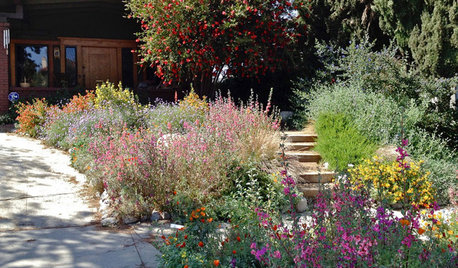
INSPIRING GARDENSNative Plants Bring 10 Southern California Front-Yard Gardens to Life
Rare plants, rain gardens and wildlife habitats are just a few of the features showcased on the 2016 Theodore Payne Native Plant Garden Tour
Full Story
GROUND COVERSNative Alternatives to English Ivy, Japanese Pachysandra and Periwinkle
These shade-loving ground covers are good for the environment and say something about where you are
Full Story
GARDENING GUIDESGreat Native Plant: Baptisia
Bring beneficial bee pollinators with this drought-tolerant perennial that looks like a shrub and acts like a flower
Full Story
NATIVE PLANTS5 Ways to Keep Your Native Plant Garden Looking Good All Year
It’s all about planning ahead, using sustainable practices and accepting plants as living organisms
Full Story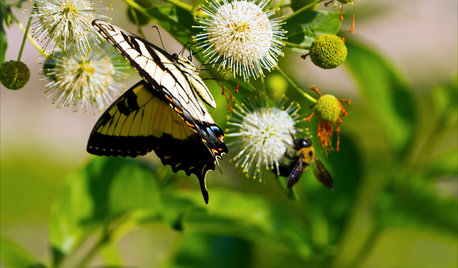
GARDENING GUIDESGreat Design Plant: Cephalanthus Occidentalis
Buttonbush is an adaptable woody shrub with delightful pincushion flowers
Full Story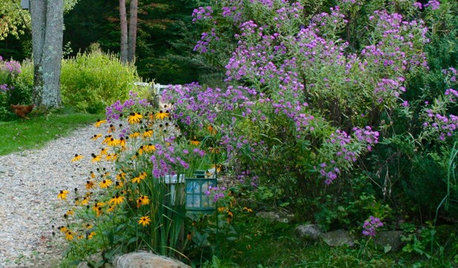
GARDENING GUIDESTop 10 Native Plants for the Northeast
For a low-maintenance, wildlife-friendly landscape, use native plants adapted to the climate and range of soils in the Northeast
Full Story
More Discussions
User