

Cookies - butter absorption question
10 years ago
Featured Answer
Sort by:Oldest
Comments (17)
 10 years ago
- 10 years ago
Related Discussions
Cookie question about oil or butter
Comments (6)From Baking 911 Each type of fat used in cookie recipes separately affects the cookie's texture and taste. Generally, the use of butter means a flatter, crispier cookies because it allows the dough to spread as it cooks on the hot cookie sheet. Cookies made with shortening will not spread, however all shortening will give you a cookie without a lot of taste. This approach gives you the best of both worlds: shortening is not as sensitive to shifts in temperature and the butter gives a lot of flavor. Shortening: Least spread / Least flavor, however can use butter flavored. Because of its higher melting point (98 to 100 degrees F) than butter, cookies keep their shape as it bakes, yielding a puffier more cake-like treat. Stick Butter: Medium spread / Best flavor. Because of the lower the melting point of butter (92 to 98 degrees F) than shortening, cookies spread and become flatter and crispier as the result. To help reduce cookie spread when using butter, freeze the formed dough on the cookie sheets. When you place the frozen cookie dough immediately in the oven, the fat will stay colder longer and when baked, the cookie will retain its shape better. For flavor, there is no substitute for butter. Cookies made with butter have outstanding taste and a finely grained, often crisp texture. Butter also helps cookies to keep well and maintain their flavor. I recommend using unsalted butter in baking. Stick Margarine: Most spread / Some flavor Vegetable oils: cookies are softer than those made with butter or margarine....See More@Patti43 Question about Your Peanut Butter Cookies
Comments (12)That's essentially the recipe my mother used all the time. They're great. She always used shortening. Nice and crumbly. My sister mixes butter and shortening. I usually use the butter flavored shortening. Also she never added the salt. Peanut butter generally has enough salt and if you use salted butter, that too has salt in it but use if you like. A suggestion to speed things up, just grab a bunch of the dough and roll it in your hands into a log shape about 1"-1 1/2" or however big you want them, then break off the pieces and set in the pan. Take the fork and go at them. My mother's recipe said to dip the fork in flour but I usually touch the fork to the dough then dip it in sugar. As you're breaking off pieces, usually 2-3 in the pan and one in the mouth. Love that peanut butter cookie dough!...See MoreQuestion about Sugar Color and Baking Cookies
Comments (4)Thanks for the feedback. I did change it up in the second batch but I just realized that I didn't describe my process in my haste to finish the post. More info... I used commercial aluminum bun pans lined with parchment paper. The first batch I had two pans, both had red on one half and green on the other. One pan was placed in the middle of the oven and then other was in the upper third. Both pans had red on the left half and green on the right half. My initial thought was uneven heating left to right. Top to bottom I expect, but both pans were very similar, so if there was a difference top to bottom it wasn't that great. For the second batch I put all green on one pan and all red on the other. I put the red pan in the upper third and green in the middle. The green pan had darker bottoms across the board. I'm going to try the same recipe next week. Only this time, I'm going to do all red in one batch and all green in the other. That's probably the only way I'll know for sure....See MoreSub question for you cookie bakers
Comments (11)I found the site that had the cookie recipe. The link is below. The ones in the webpage look similar to Snickerdoodles, probably due to them being rolled in cinnamon sugar. Mine look boring, but they taste very good, tender with a good ginger bite. I didn't want to adulterate my 'ginger cookies' with 'cinnamon', so I mixed ginger with the rolling sugar. I used 1 Tbs of regular molasses(you can't taste it at all) and increased the butter to 1/2 cup because 1/4 cup seemed like too little(I don't do low-fat anything). The first part of the batch(on the right in the photo)puffed up a lot into little mountains(maybe the added butter?)and stayed that way. I never noticed(can you say ADD?)that the recipe called for rolling 1/2" balls...really? Does that seem right? I'm used to making fairly large cookies, 1 1/4 to 1 1/2" balls. So for the rest of the batch(the ones on the left), I managed to get the dough balls down to 1" and I flattened them a little with the bottom of a glass. I think they look a little better. Either way I'm happy with the taste and I think my friend will like them too. Here is a link that might be useful: Fresh Ginger Cookies...See More 10 years ago
- 10 years ago
 10 years ago
- 10 years ago
- 10 years ago
- 10 years ago
- 10 years ago
- 10 years ago
 10 years ago
- 10 years ago
- 10 years ago
- 10 years ago

Related Stories
LIFEButter Up Your Kitchen With Julia Child's Wisdom
Your kitchen will serve you more fully and beautifully when you borrow from these keen insights
Full Story
REMODELING GUIDESConsidering a Fixer-Upper? 15 Questions to Ask First
Learn about the hidden costs and treasures of older homes to avoid budget surprises and accidentally tossing valuable features
Full Story
KITCHEN DESIGNDouble Islands Put Pep in Kitchen Prep
With all that extra space for slicing and dicing, dual islands make even unsavory kitchen tasks palatable
Full Story
KITCHEN DESIGNLove to Bake? Try These 13 Ideas for a Better Baker's Kitchen
Whether you dabble in devil's food cake or are bidding for a bake-off title, these kitchen ideas will boost your baking experience
Full Story
KITCHEN DESIGNLove to Cook? We Want to See Your Kitchen
Houzz Call: Show us a photo of your great home kitchen and tell us how you’ve made it work for you
Full Story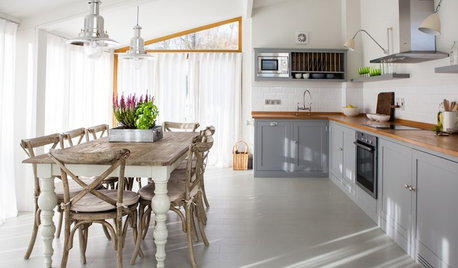
DECLUTTERINGFoolproof Ways to Declutter Your Kitchen
If you find yourself fumbling through cupboards to find what you’re looking for, it’s time to take action with these simple steps
Full Story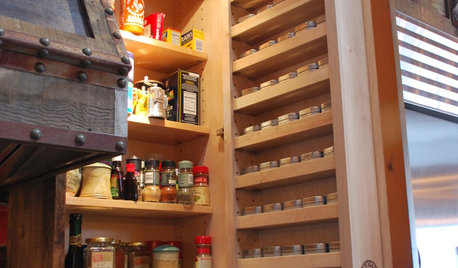
KITCHEN DESIGN7 Steps to Pantry Perfection
Learn from one homeowner’s plan to reorganize her pantry for real life
Full Story
BATHROOM DESIGNConvert Your Tub Space Into a Shower — the Tiling and Grouting Phase
Step 3 in swapping your tub for a sleek new shower: Pick the right tile and test it out, then choose your grout color and type
Full Story
KITCHEN DESIGNKnow the 3 Zones of Kitchen Storage
Organize storage space around your kitchen’s main activities for easier cooking and flow
Full Story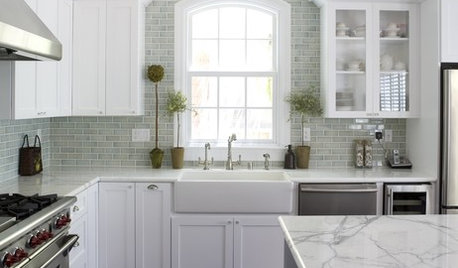
INSIDE HOUZZA New Houzz Survey Reveals What You Really Want in Your Kitchen
Discover what Houzzers are planning for their new kitchens and which features are falling off the design radar
Full Story


ci_lantro