

Dumb Bunny Question on Mutual Funds
10 years ago
Featured Answer
Sort by:Oldest
Comments (20)
 10 years ago
- 10 years agolast modified: 10 years ago
Related Discussions
Is Anything More Frugal Than Not Mowing?
Comments (14)Despite the original posters overly extensive post, with certain questionable content, the central point is still quite vaild. We as a nation spend more money on grass than on any other crop. That by itself should be reason enough. Read up on the history of lawns and you'll find that they were orginally created as a means of demonstrating wealth (aka, I have this big area and I can afford to do nothing with it except grow grass I can't eat) Regarding the comments of junegem13 and zachslc, you might want to read up on the legal history of this movement. As it turns out, most weed laws (ones based on hight, not on noxious weeds) are unconstitutional. Nonetheless, if you are in a city or subdivision and decide to do a wildflower meadow where there is not an reasonable ordinance, then you should notify your neighbors and the city about why you are doing and the legal preceedants. The EPA has all this information. Regarding property values, that was the original complaint neighbors made against one landowner when she converted her lawn into meadow. When they were unable to demonstrate an actual decrease in property values, the city ordinance was ruled unconstitutional. Afterwards, the neighbors decided if they couldn't beat her that they'd join her and replace their own yards with meadows. Property values in that one neighborhood are now some of the highest in the city (Specific names and places, are available if you want them). Time and time again, lawn alternatives done correctly have shown to raise values, not lower them. In Charlottesville, VA local government is working on an ammendment to exclude native meadows from our weed ordinance. Other cities are doing the same very quicky, especially since the weed ordinance as written by many localites constitutes a legal liability to local governments....See MoreDiffering investing results when done during career or as retiree
Comments (5)"Luck" is very often another word for "opportunity". Sometimes you are able to take advantage of it, and sometimes you aren't. It wasn't hard to make money - we're in our late 50's, double-income no kids Boomers, and own a paid-for home, two cars and little debt. But we've made very specific choices in life, some of which paid off (DH's defined benefit pension and retiree health benefits) and some of which didn't. Our overhead is still high - I cringed the last time I totaled up what we spend monthly on various insurance policies - but as I've often said, I was taught to view insurance as risk mitigation, so it's a necessity in our overall estate planning. We've done a lot better on our investments since I really started paying attention to investing and made an effort to learn about it. But when I look back, we left the portfolio unattended until almost too late in life. Fortunately, I picked up the interest in learning about investing before the dot-com bust. So when the bust happened, I didn't change a thing about the portfolio, because I'd learned that panic moves are what kill your ROI. Sure enough, the portfolio got back to even in 18 months and then took off from there. That taught me the value of dollar-cost averaging, too. stinkygdnr, I don't know what OJ would say about your home, but our home was underwater for almost 10 years. It was pretty painful, but we consoled ourselves that heck, we had to live somewhere no matter what. In the end values went higher, although of course they've dropped again this past year. But in the long run, a home usually gives you some appreciation. Plus you get a lot of incalculable enjoyment from living in a place you can remodel and change to your heart's content. We liked our home, didn't love it, until we finished all the landscaping. Then we fell in love with it, finding it a real joy to just sit in the garden in a recliner, reading a book and drinking homemade lemonade. Like I said on a different discussion forum, very often it's the simplest pleasures in life that are the best!...See MoreArchitects...can I ask you a question?
Comments (69)While I can say I recommend hiring an architect, I realize that doing so may not be feasible for your pocketbook. We spoke to a couple of architects, and even toured some in-progress homes with one of them. The amount of design considerations they make is almost overwhelming - where living space is in relation to views, where/when sunlight will enter the house, noise mitigation, traffic flow, how spaces will be utilized, etc. It was interesting to see how different their process was from just picking out a plan and running with it. We purchased our land two years ago - a 2 acre lot with 125' of frontage and great soil. My wife and I then looked at when seemed to be EVERY SINGLE PLAN on the internet. We had bookmarked hundreds of them, and subsequently threw each one out based on them either not conforming to our lifestyle or not being a good fit for our lot. In the meantime, I started to lay out floor plans in Sketchup, which was all well and good until I had to add a second floor. W. T. F. It was incredibly frustrating. After a year of self-design, we engaged a local custom builder with a great reputation. We collaboratively designed a plan that my wife and I are extremely happy with. While we had set out to design a craftsman type home, our final design would definitely not fall under that category. We have a lot of craftsman-influenced details throughout the design, but in the end, neither of us cared at all whether it fit into some architectural category. Most people don't, so don't get hung up on that - especially if the architectural style doesn't fit your lifestyle. I also learned a lot about design considerations from reading these forums. There's a lot of good advice here. There's also a lot of very headstrong personalities here as well, so be mindful of that. It's very easy to let yourself be convinced that someone else's opinion is the standard. For instance, laminate flooring seems go get a lot of negative attention around here, but I have three young boys and a dog. Laminate fits our lifestyle a heck of a lot better than hardwood and it's inexpensive enough to change out as our lifestyle changes. My advice to you is to at least talk to an architect before going to a builder. Listen to how they designed their houses. It's truly eye-opening. It will make you swear off pre-fab plans forever. If you feel comfortable enough with one of them to hire, then go for it. Otherwise, take that knowledge and speak to some custom builders in your area and see how they work with you and don't be pressured to sign anything! Good luck!...See MoreBlind trust questions
Comments (48)Msnbc tonight said that under normal circumstances Bannon wouldn't even get cleared to visit the WH, given his history. But Trump can overrule objections and get clearance for anyone he wants.....not sure if that's ever happened before but you know Trump will do what he wants. One pundit who knows him said Bannon will eat Priebus for lunch. If true, Bannon will be running the show.....very scary indeed....See More- 10 years ago
- 10 years ago
 10 years agolast modified: 10 years ago
- 10 years ago
- 10 years agolast modified: 10 years ago
- 10 years agolast modified: 10 years ago
- 10 years ago
 10 years ago
- 10 years ago
- 10 years ago
- 10 years ago
- 10 years ago
- 10 years agolast modified: 10 years ago
- 10 years agolast modified: 10 years ago
 10 years ago
 10 years ago
- 9 years ago
Related Stories
MONTHLY HOME CHECKLISTSYour Checklist for Quick Houseguest Prep
Follow these steps to get your home ready in a hurry for overnight visitors
Full Story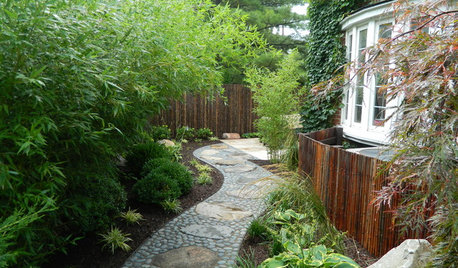
GARDENING AND LANDSCAPINGGrow a Lush Privacy Screen
No need to wait forever for patio privacy the green way. These 10 ideas will get your screening up and running in no time
Full Story
HOME TECHThe Future of Home Automation: Cheap, Wearable and Mobile!
Look for smart watches and glasses that can control your smart-phone apps, which in turn automate your home equipment
Full StorySponsored
bry911