

companion planting
10 years ago
Featured Answer
Sort by:Oldest
Comments (13)
 10 years ago
Related Discussions
Companion plants for Bridal Wreath Spirea (foundation plantings)
Comments (1)How much sun does this area get? How big is the planting bed? Do you want season long color? what color, evergreen, short, tall, shrub, perennial, annual, variety of plants or just 1 or 2? FWIW I have a bridal wreath spirea in the south west corner of my house that is in a partly shady spot so I have part shade plants nearby (Brunnera, creeping phlox, tulips, hostas, siberean iris)...See Morenewbie advice for planting companion plants?
Comments (11)Skeptic here, too, for the most part. I *have* found nasturtiums to work very well, though. You have to remember, however, that they're a trap crop, not a repellent. Nasturtiums are more attractive to some pests than the crop you're trying to protect, so they go to the nasturtiums first. You can then kill the pest on the nasturtiums (either by organic or synthetic pesticide or by simply removing the nasturtiums along with the resident pests). Whatever method you choose, you're sacrificing the nasturtiums on purpose to save the crop. In our in-ground garden, I plant a row of nasturtiums next to the row of crop I want to protect. With pots, I'd definitely have the nasturtiums in their own separate pots. As far as repelling pests, I still haven't found any plant that lives up to the companion planting hype. The problem is, the majority of them only work when they're jostled or crushed to release the offensive (to the pest) scent. That just doesn't happen enough in the average garden unless the plants are right on the path getting stepped on and brushed against. I just don't have the time and space for that. The dill and brassicas combo is the one other CP that has worked well for me. I have no idea why. It's just been a consistent observation that the years I plant a row of dill in between my rows of broccoli, I have healthier plants and bigger harvests. *shrug* That's not to say that that would happen for everyone, though. Another lucky gardener here who doesn't have to deal with slugs. We have them, but not many. They stay way out by the slough (pond) with the snails and the only place I've ever seen them in the garden is under the rhubarb when I haven't had time to keep it tidy and off the ground. My dad used to have them, though. Horrible things. He used to send me out with a salt shaker when I was a kid. *shudder*...See MoreHas anyone ever planted mums as a companion plant?
Comments (21)EO, I think you'll like the Nikon a lot. One of the people I used to work with had a similar camera. I have two digital SLRs, both Canons, a D30 and a 10D. I also have a new 300mm IS lens, replacing an older one that did not have the image stabilizer. IS makes a world of difference as it makes up for a significant amount of camera shake, which you're bound to have, especially with a long lens, especially if not using a tripod. One big difference I find between photographing hostas and photographing bird... autofocus works great for hosta, not so great for birds. Most birds are too small and move too much for autofocus to work well. You tend to have trouble making it focus on such a small quick moving target and it will often go in and out of focus repeatedly. I use manual focus for the birds. Unfortunatly when using manual focus, I have to depend on my not so great eyesight so I often end up with slightly out of focus (you could kindly call it 'soft' focus) images. At any rate, the Nikon SLR should do a great job for you! And eagles are even big enough to use auto focus :-) I'll have to post an eagle pic or two in the conversations side some time! Maybe you can do the same. Janice, the trees were one of the highest items on my 'must have' list when I was house hunting. I'm not a heavy pruner. I like lots of cover for my birds. And it will be beautiful. It feels like a cabin up in the north woods of MN to me. I love that. Add some hostas, and what more could you ask for? :-)...See MoreWhat should we plant as companion plants for trillium?
Comments (14)Ohhh, there are so many choices! Are you looking for things that will bloom other than in springtime? All of those listed above bloom pretty early. I have the yellow (and red and lavender Epimedium) and it's new leaves emerge bronzy like the photo above, so I don't think it has to be E. rubrum I have hellebores, solomon's seal, false solomon's seal, fairy bells, dicentras ( the little ones, pink and white), lots of early bulbs, primulas, dwarf hostas- I have a tiny 2" high one that gets deep purple flowers, Paris, spotted hardy orchid- (Dactylorhiza maculata), double bloodroot (I love the flowers, and they last a lot longer than the singles), corydalises- Corydalis Flexuosa Purple Leaf, Corydalis ochroleuca (white flowers-neat habit, and will bloom for months!), and one that I forget the name, but the leaves look like a fern and it gets yellow flowers (not lutea), arum italicum, Hakonechloa (I have several varieties), oh and Himilayan blue poppy, ummm can't think of any more off the top of my head... Heucheras, Lime Ricky really stands out in the shade, as does Stoplight. Oh, and shooting stars, camassia, anemone nemerosa (the double white again lasts the longest)...depending on the amount of light- Astrantias, ajugas, one of my favorites is A. Metallica crispa- it's tiny and well-behaved....See More 10 years ago
 10 years ago
- 10 years ago
 10 years ago
 10 years ago
- 10 years ago
- 10 years ago
- 10 years ago
- 10 years ago
- 10 years ago
 PRO10 years ago
Related Stories

EDIBLE GARDENSGarden BFFs? Why Your Vegetables Are Begging for Companion Plants
Foster friendships among plants for protection from pests, pollination support and color camaraderie
Full Story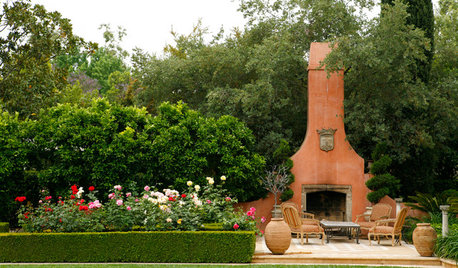
LANDSCAPE DESIGNMake Your Roses Even More Beautiful With These Companion Plants
Nourish your rosebushes and create a visual feast with these 7 classic and unexpected plant pairings
Full Story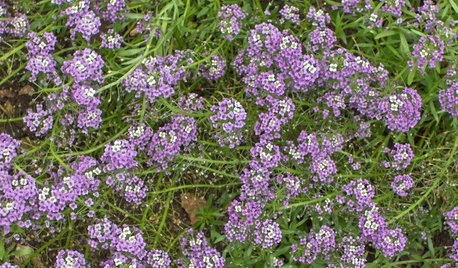
GARDENING GUIDESGreat Design Plant: Sweet Alyssum
This dependable winter bloomer makes a colorful companion in beds, baskets, even rock gardens
Full Story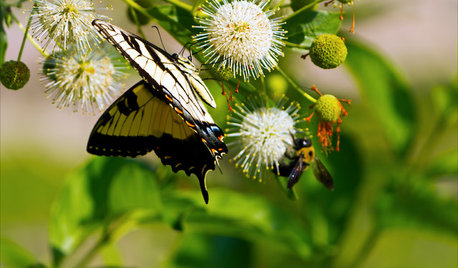
GARDENING GUIDESGreat Design Plant: Cephalanthus Occidentalis
Buttonbush is an adaptable woody shrub with delightful pincushion flowers
Full Story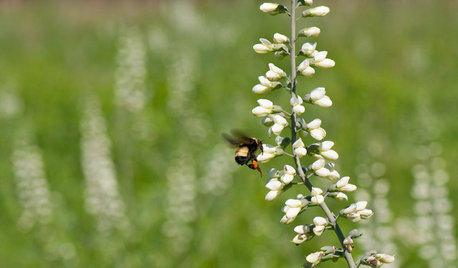
GARDENING GUIDESGreat Design Plant: Please Bumblebees by Planting Baptisia Lactea
Plant wild white indigo in central and southeastern U.S. gardens for its large white flower heads and early-spring interest
Full Story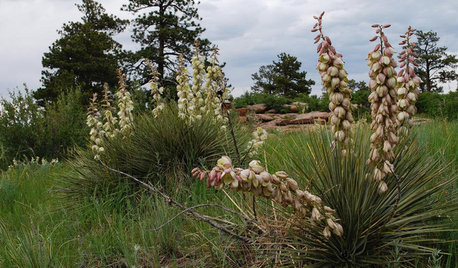
GARDENING GUIDESGreat Design Plant: Yucca Glauca
Soapweed yucca's pale green leaves brighten the winter garden and add sculptural interest year-round
Full Story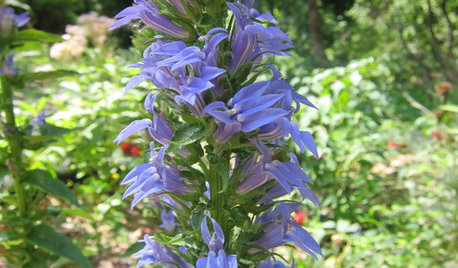
GARDENING GUIDESGreat Design Plant: Lobelia Siphilitica Keeps Its Cool
Great blue lobelia, a flowering native that prefers moist soil, adds a calming blue hue to the late-summer garden
Full Story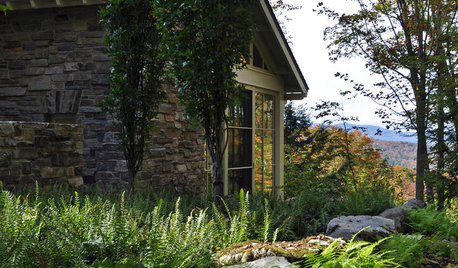
GARDENING GUIDESGreat Design Plant: Athyrium Filix-Femina
If you need a well-mannered plant that shines in the shade, lady fern is for you
Full Story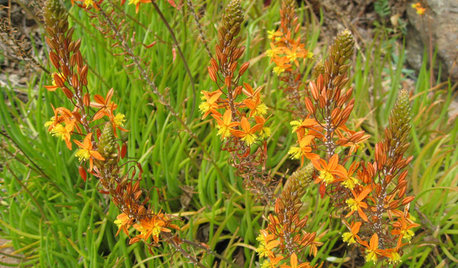
GARDENING GUIDESGreat Design Plant: Bulbine Frutescens 'Hallmark'
Plant this low-maintenance succulent now for brilliant eye-catching orange blooms in spring
Full Story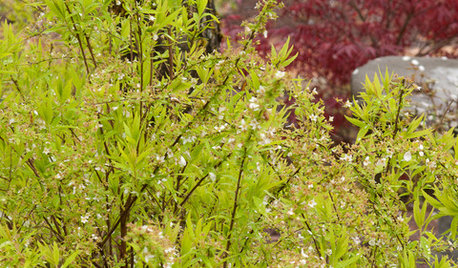
GARDENING GUIDESGreat Design Plant: Ogon Spirea for Radiance and Texture
This feathery shrub will light up your garden with its bright color and easygoing personality
Full Story0


lindac92