

Feeding Newbie - Resouces?
10 years ago
Featured Answer
Sort by:Oldest
Comments (28)
- 10 years ago
Related Discussions
So Confused - To Feed Or Not Feed By David Austin Roses
Comments (5)Most seeds are produced by only a very few actual growers. The seed "companies" you usually buy from are mostly just repackagers of seeds, not growers. There are a few exceptions. So your best bet is usually the cheapest seeds. Here's a link to GardenWeb's resource list. Great info here. Here is a link that might be useful: Garden Web's Garden Bazaar...See More(newbie): Feeding question
Comments (5)Hey Jenny, Everything I have read about worming said not to use glossy paper. I started my bins using cut up newsprint. It seems to have worked out fine. I also use shredded office paper which also works good. Recently I have been using shredded leaves and that has worked the best for bedding from my observations. If you don't take the newspaper ask a neighbor for some or see if you can get some recycled paper from somewhere (not glossy). I agree about restricting foodstocks. You may also find a smaller container to house the little guys in until they start having babies and the population increases. I have read that a less dense population will increase very slowly. When I started worming I bought Mary Applehoffs book "Worms Eat My Garbage". It's not expensive and very informative. I hope this helps,Tim...See Morenewbie questions - how much to feed, leachate?
Comments (10)Yes we started with a lot of worms. We generate about 6lbs of kitchen waste a week according to my husband. In the past 6 months (we just moved to N. Mexico last fall), we've been putting this, together with a lot of animal poop plus garden greens and browns, into the big compost bin. So far we have about a volume of 4' x 4' x 3' of compostable stuff which is decaying very slowly. Our hope is to add worms to the big bin some time when it's cooler. Then we'll keep a smaller population in the rubbermaid bins, feeding it on the kitchen waste. I don't know how the worms will do in the big compost pile. This is all an experiment to try to speed up the rate of composting. At the rate we generate compostables, the big bin would overflow in a few months. My concern isn't too many worms, not for a while. I assume that if the population in the big bin is too large, the worms will escape and be eaten by the birds. We are adding bedding, mostly damp cardboard and some paper, regularly and keeping everything covered with bedding. I assume the lack of any leachate means I'm not overdoing the food. I don't have room to freeze or blend the kitchen waste, it's too much volume and mess. I hope the week or so in the outside bucket starts the decomposition process. The next hurdle is harvesting. I need to think on this - I'm still too squeamish to handle the worms with my hands. But the garden desperately needs organic matter and nutrients, so I'm looking forward to the proceeds of my worm colony....See MoreNewbie here. How much do I feed my worms?
Comments (6)Ok, Patti, pour yourself a nice, tall glass of iced tea, take a deep breath and relax! Your questions are certainly not stupid, you have done nothing wrong with your bin, and it sounds as though you have some excellent resources for use in the system. All is well! First, you need to know that while straw may not be the first most favorite bedding of many vermicomposters, it is by no means a poor bedding choice. That you used straw mixed with paper means that, regardless of what any of us think of straw, it is most likely that the environment you've created in the bin will be wonderful from the worm perspective, and it is their opinion that matters most. It was not a mistake to use the straw, regardless of whether or not it was chopped. Some folks prefer materials other than straw simply because straw takes longer to break down than many of the other bedding options, thus, you may find bits of it in your "finished" material. This is the biggest challenge associated with the stuff, however, and if this is the worst thing you ever have to deal with you are cerainly in very good shape! ::grin:: On the upside, the fact that straw will tend to hang around longer than most other bedding options means that it will remain in the system after all other materials have been fragmented into very small pieces, aiding in keeping channels open for good oxygen penetration. The take home message in this is that straw, as with all bedding materials, comes with some drawbacks and some advantages, but it is generally considered a good bedding option and is used successfully in many home vermicomposting systems. You're in good shape! As to feeding your worms, begin small and work up based on worm activity. Consider burying about a cup of food scraps (be sure to include some moist, succulent veggie and fruit peals) in the bedding, making sure the scraps of completely buried, and check this pocket of scraps daily to see when the worms move in to begin feeding. Once they've become active in the first addition of food scraps, bury another cup or so of scraps in the bedding, adjacent to the first addition. Check this new addition of scraps daily to see when the worms move in. When they move in to the second addition of food scraps, add another adjacent to it, and keep checking. The previous addition of food does not need to be completely finished before adding more, there simply needs to be several worms active in and/or around it. Feeding in this way means you are feeding based on worm activity, and ensures you are adding sufficient material to keep them well fed and comfortable with breeding, but not so much that the bin envionment can become overly wet (due to the high moisture content of food scraps) and unpleasant. As to ants, it is only fire ants about which we need to be concerned in North America, and we do not have fire ants here in the PNW (I live in southwestern WA state). Few ant species anywhere in the world are predators of earthworms and none of our Northwest species are problematic in the bin at all. The presence of ants in the soaked leaves should NOT discourage you from using those leaves, which tend to have many advantages in a worm bin. Add the leaves! You'll be glad you did! It sounds as though you're doing just fine with your bin. Mix some of those lovely wetted leaves in as a part of the bedding, add some food, and don't be afraid to check on the progress of the worms, despite the cautions agains "disturbing the worms" that you might read on other web sites. These worm species are incredibly tolerant of disruption to their environment, and a system functions far more effectively when the humans involved are comforatable with observing and interacting with the bin environment. This is really is a simple system to manage, Patti, and it sounds as though you've started things off very well. You and your daughter are going to love it; trust me! Kelly S...See More- 10 years ago
 10 years ago
- 10 years ago
- 10 years ago
- 10 years ago
- 10 years ago
- 10 years agolast modified: 10 years ago
- 10 years ago
- 10 years ago
- 10 years ago
- 10 years ago
- 10 years ago
- 10 years ago
- 10 years ago
- 10 years ago
- 10 years ago
- 10 years ago
- 10 years ago
 10 years ago
 10 years ago
- 10 years ago
- 10 years ago
- 10 years ago



Related Stories
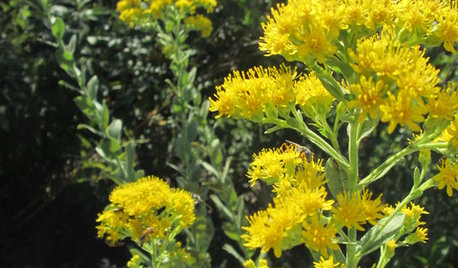
FALL GARDENINGGreat Design Plant: Oligoneuron Rigidum Brightens Fall Gardens
Create a pollinator feeding ground with this cheery, fuss-free goldenrod, formerly known as Solidago rigida, native to much of the U.S.
Full Story
FARM YOUR YARD4 Farm-Fresh Chicken Coops in Urban Backyards
These Atlanta henhouses are worth crowing about for their charming, practical designs
Full Story
GARDENING GUIDESHow to Find the Right Native Plants for Your Yard
Find plant maps, sale sites and guides that make going native in the garden easier than ever
Full Story
PETSWhat You Need to Know Before Buying Chicks
Ordering chicks for your backyard coop? Easy. But caring for them requires planning and foresight. Here's what to do
Full Story
DECORATING GUIDESDesigning Nemo: 30 Fish Tanks Make a Decorative Splash
Bring an otherworldly glow and a calming vibe to your home with the living art of an aquarium
Full Story
KITCHEN DESIGNSimple Pleasures: Wake Up and Smell the Coffee
Slugging down any old sludge while pulling on socks is no way to start the day. Learn to brew amazing java and savor the experience here
Full Story
GARDENING GUIDESGarden Myths to Debunk as You Dig This Fall and Rest Over Winter
Termites hate wood mulch, don’t amend soil for trees, avoid gravel in planters — and more nuggets of garden wisdom
Full Story
REMODELING GUIDESHave a Design Dilemma? Talk Amongst Yourselves
Solve challenges by getting feedback from Houzz’s community of design lovers and professionals. Here’s how
Full Story
HOUSEPLANTS8 Essentials for Healthy Indoor Plants
Houseplants add so much to our homes — and can thrive when grown in the right conditions. Keep these tips in mind
Full Story
COMMUNITYDiscover the Joy of Welcoming New Neighbors
Don't worry about a perfect presentation — a heartfelt note and a simple treat create a wonderful welcome to the neighborhood
Full StorySponsored
More Discussions
User