

Native Plants in Containers
11 years ago
Featured Answer
Sort by:Oldest
Comments (18)
- 11 years agolast modified: 11 years ago
 11 years ago
Related Discussions
Watering container plant when the soil is too dry?
Comments (10)I have 50 one gallon pots with lavender grown from seed last year. I had planned to donate them to a non-profit plant sale usually held in June. The group decided not to have the sale this year. The pots are now full of roots and impossible to water enough to maintain the plant. I have over the last two days soaked them all, 8 at a time in an old wash tub. I will now root prune them and add new soil and time release fertilizer and also cut back the foliage about 25% to get them in condition for my next plant sale in October. Timing is everything in the nursery business even if it is all donated. Al...See Morewhat natives have worked in containers for you?
Comments (4)Cimicifuga rubifolia (Appalachian bugbane) Polemonium biflorum var. communatum (giant SolomonÂs seal) Heuchera americana ÂAmethyst Mist Asplenium scolopendrium (HartÂs tongue fern) Polystichum braunii (BraunÂs holly fern) The las two ferns can be removed and overwintered. We have done that with the same Brauns plant for about 6 years now t...See MoreGrow Native! Container Garden Contest
Comments (0)Could be fun... Here is a link that might be useful: Grow Native! Container Garden Contest Info...See MorePic of native?daisy
Comments (3)Looks like a Senecio to me, too. Native Senecios are often called "Fireweeds", which is an unfair name for a perfectly good native garden plant. The dreaded fireweed is an introduced plant, Senecio madagascarensis, which can apparently be distinguished from the others by having 13 "petals". The native Senecios, which also go by the happier commonname of "Yellowtops" are not entirely innocent. Like many popular garden plants they do contain substances which are toxic to stock and to humans. People in other countries have apparently poisoned themselves by eating the seeds or drinking infusions of the leaves. According to Everist ("Poisonous Plants of Australia"), the native plants contain the same toxic substances, but "despite their abundance in some regions and in some seasons, few of (them) are reported to be toxic in the field. Most of them are not palatable to livestock, and, in general, seasonal conditions which favour their growth also produce large amounts of more palatable pasture plants Â" We can therefore grow them with a clear conscience. I find Senecio lautus a very good garden plant, filling in the bare bits for much of the year and being particularly good in winter and spring. Aftet that I cut the plants back because they get straggly. Then there's another late summer flush. They are biennial, so a second cut-back in early winter produces a nice-shaped plant about 30cm x 30cm, all ready to go again. They self-seed freely, popping up in spring, so keeping the species going in the garden is a simple matter. So is the weeding out of any excess seedlings, should they appear where they might smother something smaller. There are too many native plants which have been condemned as unsuitably poisonous for garden use. The colonial mindset was very ready to call any wild plant a weed, and yet to allow much more toxic introduced plants (autumn crocus, and daffodils for instance) to naturalise in paddocks. There should be more of us using the things that come up naturally, and perhaps finding superior garden forms which will get into mainstream gardening in Australia. Cheers, Trish...See More 10 years ago
- 10 years agolast modified: 10 years ago
- 10 years ago
- 10 years ago
- 10 years agolast modified: 10 years ago
- 10 years agolast modified: 10 years ago
- 10 years ago
- 10 years agolast modified: 10 years ago
- 10 years agolast modified: 10 years ago
- 10 years agolast modified: 10 years ago
 10 years ago
- 10 years agolast modified: 10 years ago
- 10 years agolast modified: 10 years ago
- 10 years agolast modified: 10 years ago
- 10 years agolast modified: 10 years ago




Related Stories
NATIVE PLANTSGreat Native Plant: Grow Wild Quinine for Its Unique Clusters of Blooms
Get connoisseur cred and unique blooms with this uncommon plant. Bonus assets: It’s low maintenance and drought tolerant
Full Story
GARDENING GUIDESGreat Native Plant: Angelita Daisy
Want a pretty perennial that can handle high and low temps with little fuss? Versatile angelita daisy is your workhorse
Full Story
INSPIRING GARDENSNative Plants Bring 10 Southern California Front-Yard Gardens to Life
Rare plants, rain gardens and wildlife habitats are just a few of the features showcased on the 2016 Theodore Payne Native Plant Garden Tour
Full Story
GARDENING FOR BUTTERFLIES3 Ways Native Plants Make Gardening So Much Better
You probably know about the lower maintenance. But native plants' other benefits go far beyond a little less watering and weeding
Full Story
GARDENING GUIDESGreat Design Plant: Dudleya, a Dramatic California Native
Set up this succulent in native conditions and see just how little care it needs to thrive in the landscape
Full Story
GARDENING GUIDES10 Top California Native Plants, Trees and Grasses
Enjoy a fuss-free, water-wise garden in the Golden State by growing plants naturally in tune with the climate and wildlife
Full Story
GARDENING GUIDES10 Top Native Plants for Southern California Gardens
Enjoy a fuss-free, water-wise garden by growing plants naturally in tune with the climate and wildlife of Southern California
Full Story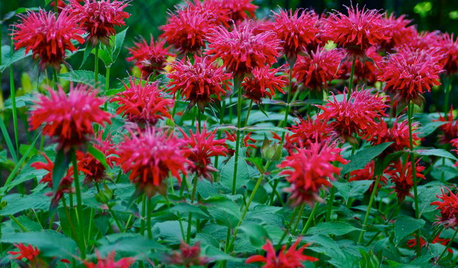
GARDENING GUIDES10 Deer-Resistant Native Flowers to Plant This Fall
Learn about natives that embrace some kinds of wildlife but resist grazing deer
Full Story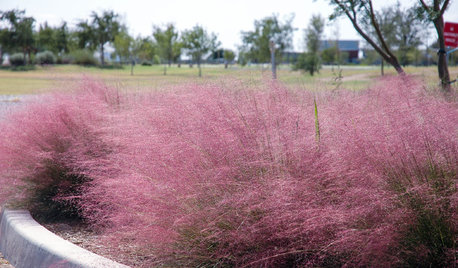
NATIVE PLANTS10 Top Plants Native to the Desert Southwest
Get a thriving garden despite unforgiving conditions with these tough, unthirsty, sun-loving beauties
Full Story
GARDENING GUIDESGreat Native Plant: Damianita
Enjoy its masses of golden flowers as an easy-care ground cover or appreciate the aroma of this desert native's leaves
Full StorySponsored
wisconsitom