

How's this for the price of beef?
11 years ago
Featured Answer
Sort by:Oldest
Comments (15)
 11 years ago
Related Discussions
Ways to beefing up soil tilth without beefing up fertility
Comments (18)Thanks everyone for giving me your ideas. I don't know what kind of clay I have. I only know it's gray, compacted and when we are really dry it literally turns into a cement like material. We bought a shed recently and needed to install those trailer ties to anchor it down. We were trying to dig the holes during a drought. My husband managed to get down about 3 or 4 inches with the post hole digger (remember he was digging these holes right up next to the building so there was no "getting his muscles into it") After getting that far he got a large screw driver and a hammer and tried chiseling with little success. Finally I got the bright idea to put water in the holes. That helped out a lot. Yes Karen, I will probably purchase a wildflower mix suited for my area from a reputable source. Since I am the one doing the bulk of the work on this one, I think I will give the leaves a shot. Hauling sand is just more work than this old bod can handle especially since I have 10 cubic yards of mulch to move. Ugh. Thanks again for all the wonderful suggestions....See MoreWhat price for grass fed beef?
Comments (9)I don't know if it's feasible, but you might try buying beef in bulk, instead of by the package, if you have a place to put a small freezer. We sell our grassfed beef by halves, $1.65 a pound hanging weight. Half a beef weighs about 500 lbs because we butcher at 18 months to keep that lean beef tender without the fat content. Somewhere between 30 and 40 percent of that hanging weight is waste, including skin, hooves, etc, so the final weight tally for a half is about 300-350 lbs. If you figure the high side, that's $825.00 for the beef, and you get 350 lbs. That's $2.36 a pound, plus 39 cents a pound for packaging (that cost could vary) which brings your cost up to $2.75 a pound. Of course, you con't get to choose just certain cuts, you'd get everything from round to brisket to porterhouse to ground beef, but it would all cost you $2.75 a pound. Prices may vary depending on the farmer and the area, of course. Since I only have enough acreage in pasture to support 10-12 animals, and 2 of those are horses, 4 are breeding cows and one is a bull, I only have room for 3-5 additional animals for beef. If one is mine and one is Dad's and one is my sister's, we only have one or two to sell, depending on the breeding age of the cow. Because of that, I sell "low", but it gives Dad a little extra income. Annie...See MoreTell me how you make your beef and noodles?
Comments (11)I use a recipe from the Iowa State Fair's Blue Ribbon Cookbook: Ingredients: 2Lb Boneless Beef Chuck, cut into 1" cubes. 1 medium (About 1.5 Lbs) Beef soup bone. In Iowa, these are from the leg shank. 1 Carrot, pared & quartered 1 Celery Stalk with green leaves attached cut in half or thirds depending on the size. 1 Medium onion Quartered 1 Bay Leaf 1 Teaspoon salt 1/8 teaspoon freshly ground black pepper About 8 cups water 2 Cups home made beef stock or 14.5oz store bought beef stock. 12 ounces egg noodles. NOTE! Store bought noodles just don't work well with this recipe! I make my own using 1 egg, 2 cups flour, pinch of salt & 1/8 teaspoon white pepper. (see Below) If needed for thickening: 2 Tablespoons Flour 1/4 teaspoon freshly ground black pepper 1/4 teaspoon salt 1/2 cup water Method: In a large,heavy bottomed stock pot or ceramic lined cast iron pot, add the first 8 ingredients: beef cubes, salt, pepper, bay leaf, soup bone, celery, carrot, water to cover (about 8 cups). Cover the pot and heat over high heat until it reaches a boil, then reduce the heat to low and simmer until the beef cubes are fork-tender about 1 hour 15 minutes. Remove from the heat and using a slotted spoon, remove the beef cubes and place in a bowl. Remove the soup bone and trim any lean meat, cut into bite-sized pieces, and add to the beef cubes. Discard the bone. I usually remove the marrow and add to the stock or give the whole bone to a worthy dog. Cover the bowl of meat and refrigerate. Strain the remaining stock with a sieve into a bowl or Large measuring cup discarding the vegetables and bay leaf. Measure the liquid and make a note of how much you have. Pour the liquid into a large mixing bowl and refrigerate. When cold, use a tablespoon or large spoon to skim the congealed fat off the top of the broth and discard the fat. Cover the remaining broth and refrigerate. All of the previous steps can be done ahead of time, even the day before. 30 Minutes before serving: In a large pot, add the reserved broth, and enough other stock to total 10 Cups of liquid. stir to blend. Cover and bring to a boil over high heat. Add the Noodles to the boiling stock/broth. boil uncovered until slightly soft (about 8 minutes) add the beef cubes, boiling briefly until heated through. If the broth looks thick enough, like a thin gravy, you are done. If it is too thin, make the thickening out of the ingredients listed above. By adding them to a seal-able jar, cover and shake vigorously until smooth and all clumps are gone. Add this thickening sauce to the pot and simmer briskly until the broth thickens. (About 2 minutes) Serve immediately. In Iowa, they are served over mashed potatoes, but are delicious by themselves. Egg Noodles: On a large surface, put the 2 cups of flour in a mound, making a well in the center. Break the egg into the well, and using a fork, stir the egg only until well mixed. add the salt and white pepper to the egg. Continue stirring more and more of the flour into the egg until a dough ball begins to form. Knead until smooth, and roll out thin, dusting the board with flour to keep from sticking until the dough is about 1/8". Cut the dough into 4" strips, placing one on top of the other adding a light dusting of flour between each layer. Once all the strips are stacked, turn so you can cut the 4" side into the desired thickness. (I like about 1/4 to 3/8" thick noodles.) The finished noodles will be 4" x 1/8" x 1/4". Place the noodles on a large cookie sheet and dust well with flour to keep them separated until they are dried out, about 2-3 hours. Shake the majority of the flour off before adding the noodles to the broth....See MoreHow do you get a nice tender beef roast ?
Comments (31)The Tri Tip roast is referred to by other names in different areas of the country. I found a website that lists a bunch of the steak names...scroll down to #4, Sirloin. Providing your butcher with that information might help. I have also heard a Tri Tip referred to as a Triangle Roast. It's not as though cattle in other States don't have the same muscles, lol, so it's simply a matter of getting the butcher to understand what it is you're looking for. I don't know about pricing in other areas, but here I can generally get them for under $3 per pound, untrimmed...sometimes as low as $2.50. I prefer them untrimmed because it is a lean cut, and why lard/oil/baste if I can get it with it's own layer of fat to do the work for me!! Some recipes on the web claim that the cut gets tough if cooked to med or well, but I have had it many times both ways (even if I prefer my beef mooing) and that is not the case. The only time I have had Tri Tip really tough is when it has been carved by someone who didn't know what he was doing. It is absolutely essential that it be sliced across the grain, and thin slices are better than thick. As I said, it isn't as tender as a Filet Mignon or Prime Rib, but it certainly isn't "tough" as long as it is carved properly. Another Central Valley staple is the bbq Tri Tip sandwich. Thinly sliced Tri Tip (freshly cooked or leftover) slathered with your favorite smoky barbecue sauce in a bun. Mmmmmmmm. Here is a link that might be useful: Tri Tip names...See More 11 years ago
 11 years ago
 11 years ago
- 11 years agolast modified: 11 years ago
- 11 years ago
- 11 years ago
 11 years ago
- 11 years ago
- 11 years ago
 11 years agolast modified: 11 years ago
 11 years ago
 11 years ago
- 11 years ago

Related Stories
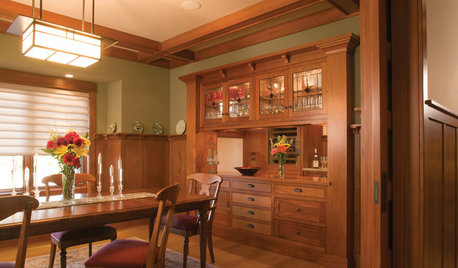
DINING ROOMSBuilt-In Buffets Beef Up Dining Room Style
Call them sideboards or dining buffets. Stack on a china cabinet or not. No matter the style, these built-ins serve up sophisticated storage
Full Story
HOME TECH3 Kitchen Contraptions You Won’t Believe
Pizza hot from the printer, anyone? These cooking gadgets harness imagination and high tech — and have price tags to match
Full Story
BATHROOM DESIGNBudget Bathrooms Brim With Style
Get a high-end look for your bathroom at low-end prices by splurging in a few small ways
Full Story
HOUZZ TOURSMy Houzz: Oregon Landscape Inspires a Painter’s Dream Home and Studio
Acres of unspoiled land and abundant natural life surround this special live-work space in eastern Oregon
Full Story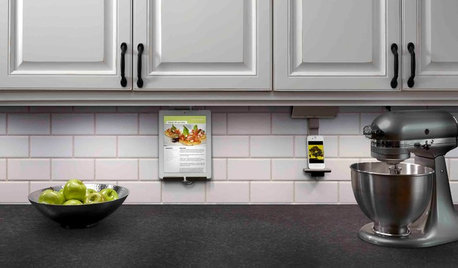
KITCHEN DESIGNHouzz Call: What’s Cooking in Your Kitchen?
Most of us turn to recipes, videos and culinary shows when we cook. Where do you set your cookbook, tablet or TV screen?
Full Story
KITCHEN DESIGNStay Cool About Picking the Right Refrigerator
If all the options for refrigeration leave you hot under the collar, this guide to choosing a fridge and freezer will help you chill out
Full Story
SELLING YOUR HOUSEFix It or Not? What to Know When Prepping Your Home for Sale
Find out whether a repair is worth making before you put your house on the market
Full Story
HOUZZ TOURSMy Houzz: Creative Thrifting Beautifies a Texas Bungalow
Secondhand finds and a designer’s gift for reinvention turn a historic-district house into a quirkily elegant family home
Full Story
BUDGET DECORATING12 Ways to Get the Industrial Look for Less
Shop surplus, raid the hardware store and press black paint into service. Your budget will warm to these ideas for cool industrial style
Full Story
MATERIALSWoodipedia: Maple Is a Marvel Around the House
A heavy hardwood with lots of potential, maple appeals to modern sensibilities and won't break your budget
Full Story
User