

Nativizing a woodland
11 years ago
Featured Answer
Sort by:Oldest
Comments (8)
Related Discussions
Tree ID (native woodland tree + Arbor Day mystery tree)
Comments (5)Well... of course, as soon as I post this I find a list from the Arbor Day order (or at least, I think it was that year's order). No idea which is which (which of the ones that came in this bundle actually survived), but could the third photo be a young Sargeant Crabapple? That's on the list, as is Eastern Redbud, Washington Hawthorn, dogwood (I know it's not that), Goldenraintree and crapemyrtle (I remember wondering why on earth they were shipping crapemyrtles to New England!!) In theory (meaning assuming they sent what they said they were sending), it should be one of those -- and the crabapple seems like the only one it could be? I'd be floored if they were shipping free Bradford pears (which is what someone on Name that Plant thought it was as well) -- aren't they considered more or less invasive plants in a lot of areas these days? So I'm hoping for Sargeant crabapple since I wouldn't mind having one of those for the birds (means the little guy can stay right where he is now, in the bird/butterfly garden)....See Moreneed ID on some native woodland plants
Comments (3)oh man, that's definitely jewelweed. you DON'T want to introduce that to your area :P it spreads like crazy cause the seeds shoot everywhere like Linda said. we cannot get rid of the stuff around here - I live in a freaking swamp, so it's to be expected :P but in all fairness I'm part of the problem cause I always have to play with the seed pods, LOL. my grandmother taught me the name "touch-me-not" too :D I learned years later that the plant was actually called jewelweed. it's seriously the juiciest plant I've ever seen, lol. Ria...See MoreWANTED: Wanted: Northeast Ohio native woodland plants
Comments (1)Hi, What kind of plants are you looking for? Jeanne...See MoreNative woodland plants to share
Comments (6)Do you wild dig these or are they thinnings/seeds, divisions from planted stock? If divisions not wild dug I would talk with you too. I do NOT want to receive wild dug as it is illegal to both dig AND receive wild dug plants. Also check and see if it is legal across state borders. Even our local plant exchanges are surprise monitored by undercover authorities.... so are our forums. Be responsible and if source is reputable by all means enjoy the trades, give aways etc....See More 11 years ago
- 11 years ago
Related Stories
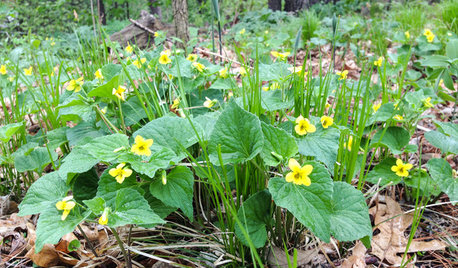
GARDENING GUIDESGreat Design Plant: Viola Pubescens Dots Woodlands With Yellow
Plant downy yellow violet in eastern U.S. woodland gardens for its heart-shaped leaves and bright yellow flowers
Full Story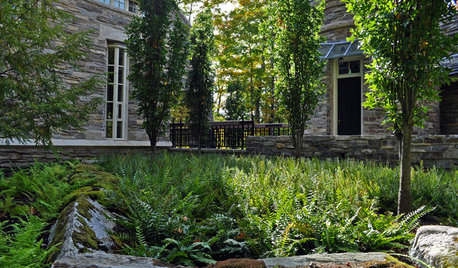
GARDENING GUIDESGreat Design Plant: Woodland Garden Beauty Polystichum Acrostichoides
Eastern U.S. native Christmas fern is a living decoration in the winter woodland garden
Full Story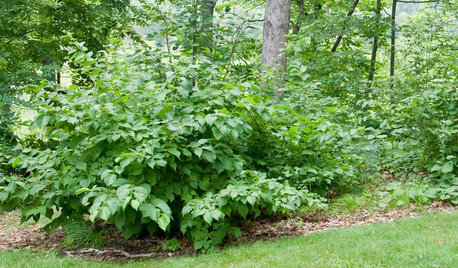
GARDENING GUIDESGreat Design Plant: Corylus Americana Awakens the Woodland Garden
Plant American hazelnut for three seasons of interest and to feed our furry and feathered friends
Full Story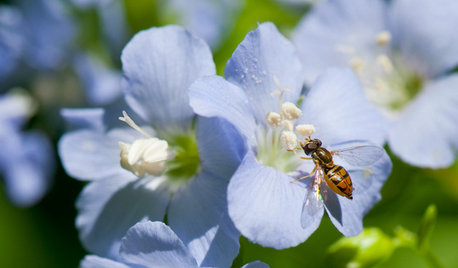
GARDENING GUIDESGreat Design Plant: Polemonium Reptans Paints Woodlands Blue in Spring
Plant Jacob’s ladder in eastern U.S. woodland gardens for its bright blue flowers and delicate foliage
Full Story
GROUND COVERSAsarum Canadense Adds Masses of Green to Woodland Gardens
Plant Canadian wild ginger in the eastern U.S. for a shade-loving native ground cover with spring flowers
Full Story
GARDENING GUIDESGreat Design Plant: Viburnum Rafinesquianum Colors the Fall Woodland
Plant downy arrowwood in eastern and midwestern U.S. gardens for spring color in the shade and bright red fall foliage
Full Story
FLOWERS AND PLANTSCornus Rugosa, an Understated, Elegant Native Dogwood
Plant roundleaf dogwood for showy white flowers favored by pollinators in spring and for beautiful foliage in fall
Full Story
TREESNative Plant Alternatives to Invasive Common Buckthorn
Learn how to identify and control this aggressive plant, and what to grow in its place
Full Story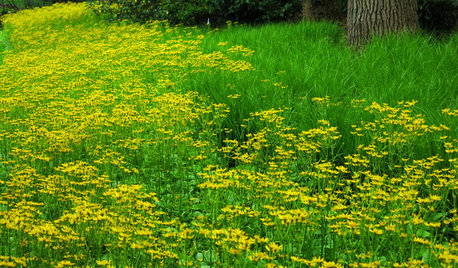
FALL GARDENING5 Native Early-Spring Bloomers to Plant This Fall
Think beyond tulips and daffodils this year with plants that you and native pollinators will love
Full Story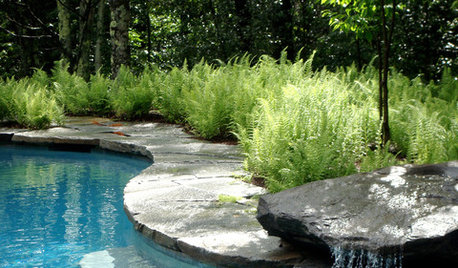
GROUND COVERSNative Alternatives to English Ivy, Japanese Pachysandra and Periwinkle
These shade-loving ground covers are good for the environment and say something about where you are
Full Story
More Discussions
edlincoln