

What should I grow?
11 years ago
Featured Answer
Sort by:Oldest
Comments (17)
 11 years ago
Related Discussions
What should I grow here?
Comments (5)Looks like 70-80 feet? East facing. Uncertain watering. Looks pretty green actually. One, you could excavate a foot down to get irrigation out there and remove one problem. Depending upon where the top of the pipe starts. Could also install french drains under the fence on either side per tree to carry water from back yard to future rootzone. Two, barring that trellising grapes up against it should work. They send down deep root systems so the first year you would need to keep them watered. But the second year likely their roots would be tapped into your yard's irrigation. May be able to grow blackberries there. Trees? Well if the pipes don't leak (hard to believe) then trees roots should grow around them. Otherwise, I suspect your neighbor will eventually be paying to have a rooter run in those pipes periodically. I'd consider one tree centered per segment: apple on M-111, stone fruits on Nemaguard, and citrus is a more difficult call since on the superior Seville Sour Orange may be seriously problematic in the immediate future. Look for known producers in the valley and what you really like. Keep them pruned at 8-12 feet. Here is a link that might be useful: French drains, personally just leave them hollow...See MoreWhat should I grow?
Comments (4)There are very few butterfly caterpillars that are a nuisance - I doubt that even giant swallowtail caterpillars present much of a problem for citrus growers, since they spread their eggs out. The only common vegetable I know of that gets cats is tomatoes - and peppers, to a lesser extent - and tomato hornworms (which make a sphinx moth) will find your tomatoes regardless of whether you plant butterfly plants, meaning both host and nectar plants. Butterflies are very plant specific, and drawing butterflies to your yard will not cause them to lay eggs on vegetables/plants that they're not programmed to use. The only other leps I can think of that might lay eggs on your vegetables would be generalist moths, but you could get them just as easily without planting a butterfly garden. I've got tomatoes, peppers, squash, and onions in my butterfly garden, they don't have a single pest on them, and I don't spray. So my advice is to go ahead and mix butterfly plants into your veggie garden! Sherry...See MoreInexperienced, questions
Comments (4)The mulch will not suffocate the roots. It's there to conserve soil moisture, and keep weeds and grass away from the base of the tree. This ensures that the tree gets all of the nutrients and water rather than the grass. If you're using garden chemicals, such as a systemic insecticide, the lack of grass ensures that the proper dosage of chemical gets to the tree. (You should pour such mixtures on bare dirt by sweeping away mulch, and then recovering after application.) I think it also mildly helps with insect pests too, and practically it is necessary so that you don't have to weed eat the trunk of the tree to get rid of grass growing up it when it's smaller. However, you should make sure that the mulch isn't piled up next to the trunk because this can cause rot or fungal problems. I give it 2 or 3" away from the trunk. As you've seen, it's always best to plant the top of the root ball a few inches higher than th surrounding soil. You can even build a mound and then place the tree a couple inches above th mound. What you do not want is to create a depression for moisture to stay in. That's asking for all kinds of problems. Since the soil often settles some, plant it higher than you thnk you need to! If you just recently planted the tree which is now sunken in, I would dig it out a little, lift it up some, and try to get my hands down there to pack new soil underneath it and then fill it back in. Try to avoid disturbing too much soil on the roots though. Sorry, can't help you with the zone 8 questions....See MoreAdvice Needed
Comments (5)Hoke: You're at an exciting starting point. Before you get too much into the details of growing plants, you really need to figure out the business aspects of it. There's lots of ways to do that: plenty of good books (I like "Entrepreneur Magazine's Small Business Advisor"). Plenty of the community colleges offer short courses in "small business start-up". Check out Palomar College in your area. Even the bigger colleges (UCSD, for instance), offer continuing adult education classes (non-credit) on the subject. I took a great class at UCLA years ago just before I started my own business. It was invaluable. And then there's the SBA (Small Business Association). They have PLENTY of free info available. Get some "experience". Work for a wholesale nursery that actually grows what you want to grow. There's plenty of nurseries in N. San Diego County, as you know. (That may be good news and bad news, actually). Find yourself a "mentor" -- someone who knows the trechnical aspects of the business and can offer advice during key times. Do the homework on your market!!!!! Find out what market is actually out there for you, what THEY want, and how THEY want it. Only they know and only you will know. There IS always a market for the little guy. As long as you find your niche and don't do it so as to put yourself in direct competition with the big guys. Do it by offering a new product(s), a new way of selling an old product, or by offering some absolutely outstanding customer service. Don't work the price angle -- that's what puts little guys out of business fastest. There have been thousands of beginners who knew how to grow plants and thought that simply because of that, they could make a business out of it. Yes, passion for what you do may be number one in eventually succeding, but it is only part of what you need to know. You really do need to figure out ALL the business aspects of it (make a plan!) and you need to figure out what you're going to do that will be special. Good luck, Joe (native of San Diego)...See More 11 years ago
- 11 years ago
- 11 years ago
- 11 years ago
 11 years ago
- 11 years ago
 11 years ago
- 11 years ago
- 11 years ago
- 11 years ago
 11 years ago
- 11 years ago
 11 years ago
- 11 years ago
 11 years agolast modified: 11 years ago
Related Stories
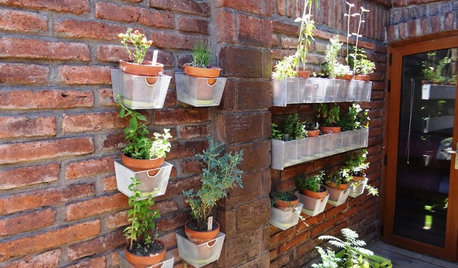
EDIBLE GARDENSHouzz Call: Where Are the Craziest Places You Grow Edibles?
Basil in a bathtub, spinach stacked up a wall ... If your edibles occupy an odd spot, we’d like to know
Full Story
SUMMER GARDENINGHow to Grow Basil
Bright color, quick growth and endless uses for cooking make this summer annual a winner in the garden or a pot
Full Story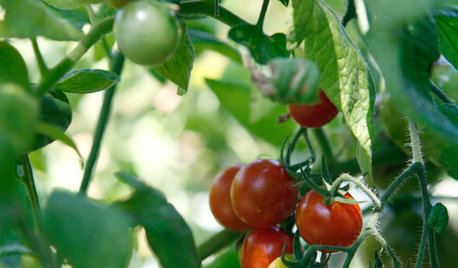
EDIBLE GARDENSSummer Crops: How to Grow Tomatoes
Plant tomato seedlings in spring for one of the best tastes of summer, fresh from your backyard
Full Story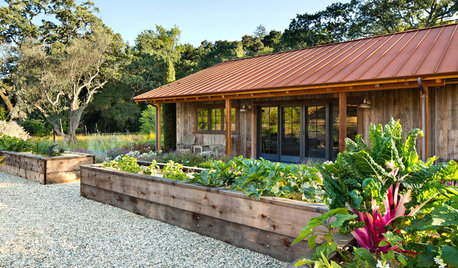
EDIBLE GARDENSHow to Grow Your Own Sweet Summer Crops
This guide will help any gardener get started on growing the freshest warm-season veggies and berries for summer
Full Story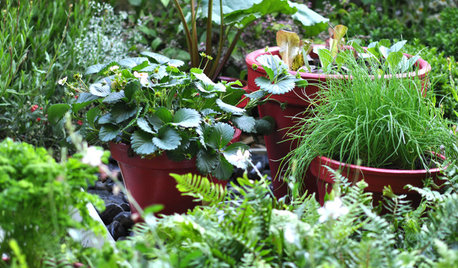
FARM YOUR YARDHow to Grow Vegetables in Containers
Get glorious vegetables and fruits on your patio with a pro’s guidance — including his personal recipe for potting mix
Full Story
EDIBLE GARDENSHouzz Call: What Did You Grow This Summer?
Let’s celebrate the homegrown fruits and vegetables of the season. Post your pictures and tell us about your harvest
Full Story
GARDENING GUIDESCool-Season Vegetables: How to Grow Chard
A year-round garden favorite with a colorful stem, Swiss chard comes into its own in early spring and in fall
Full Story
GARDENING GUIDESWhat Kind of Roses Should You Grow?
Want to add the beauty of roses to your garden? Find out which ones, from old-fashioned to modern, are right for you
Full Story
CURB APPEALHow to Make a Window Garden Grow
Get the scoop on materials, installation, plantings and more to bring the charming look of window boxes to your home
Full Story
FRUIT TREESHow to Grow Your Own Persimmons
Sturdy and easy to care for, these trees offer bright fruit through winter — and keeping them in bounds is no sweat
Full StorySponsored

two25acres