

Oxalis eradication
21 years ago
Featured Answer
Sort by:Oldest
Comments (36)
 21 years ago
- 21 years ago
Related Discussions
eradicating vinca
Comments (8)I have a similar problem up here in Richmond with oxalis. I decided to use a smothering mulch. I put down thick layers of newspaper, sprayed it with water, and then mulched over it. NOTHING is coming through it, 9 mos. later. My neighbor is a landscaper, and she did the same thing with cardboard (but I think the newspaper goes down smoother). I just laid the paper around existing plants and poked holes in the newpaper for my new plants. If it comes back, I'll just throw some more newspaper and mulch on top. Easy. I did use Roundup around our arbor, where the newspapers left small gaps around the feet and there was no danger of killing my other plants. I read somewhere that Roundup doesn't stay detectible in the soil, so it's the least harmful chemical to use....See MoreArum italicum - how to eradicate
Comments (162)I read this thread annually. Round up does not work, nor does my vinegar sugar salt mixture, though interesting what someone said about spraying underside of leaves. I paid a crew to meticulously dig down and get all the corms, (witnessed the corms coming up, and have done this for two years in a row, and the problem is worse every year. (I'm in Portland). I'm convinced you do not want to disturb the corms or they will simply spread. And I no longer transplant anything in my yard as I've noticed that a tiny corm always sneaks in to the transplants. My new strategy: using a weed torch, For round one, I blasted at the base of dirt and stems. In another week, I'm going to clear the soil and dig down just enuf to expose more of the stem, and blast the weed torch in the direction of the corms. I'll keep doing rounds of this and see what happens. Funny thing is, the evil arum all disappears in the summer and you think it's taken care of, then comes back with ferocity in late winter....See MoreSide note to getting rid of bermuda-How do you get rid of Oxalis?
Comments (9)The common yellow oxalis we have here has tiny "bulbules" (sp?), which lurk 12 -18 inches under the ground. You can easily pull up the plants, of course, but those tiny bulb things stay under the soil, and up it comes again. I once had a gardener who decided to eradicate it from a flower bed which is about 12 feet long and 6 feet wide. He actually dug up the top 2 feet of soil, and sifted it by hand to get all of the tiny bulbs out. That worked for the first year, but by 2-3 years after he did that, back the oxalis came. So, being lazy, what I do is just admire it in the Spring, except where it is trying to smother other plants. Then just pull it out around those plants. By late Spring here it has died down, and I pretend it is gone. Of course, it comes up again the next Spring. It is one of our first blooming plants to bloom (starts Jan/Feb), so I just regard it as such and let it be mostly. One of my cats likes to eat it (we used to eat it as children - we called it "sour grass"). Jackie...See MoreOxalis overtaking Oakland yard
Comments (10)Too much experience with oxalis here! I have found there is the type with a tiny bulb at the end of the major root. Similar to the nut on nut grass. This type is the worst to eradicate in my experience. So far I only have it in pots. So I poke a bamboo stake down beside it to loosen its roots and try to bring up the entire thing. If I can't get it that way I repot. Sometimes that does get rid of it. Or eventually, may take 3 years, I rid the pot of it with assiduous application of the bamboo stake. The kind that has just roots, with no tiny bulb, I have in the ground. That kind responds to weed killer or hand weeding. I now look upon the oxalis battle as entertainment. 1 point for me for every nut/bulb....See More- 21 years ago
- 21 years ago
- 21 years ago
- 21 years ago
- 21 years ago
- 21 years ago
- 21 years ago
- 21 years ago
- 21 years ago
- 21 years ago
- 21 years ago
- 21 years ago
- 21 years ago
- 21 years ago
- 21 years ago
- 21 years ago
- 21 years ago
- 21 years ago
- 21 years ago
- 21 years ago
- 21 years ago
- 17 years ago
- 17 years ago
- 12 years ago
- 12 years ago
- 12 years ago
- 11 years ago
- 8 years ago
- 8 years ago
- 8 years agolast modified: 8 years ago
- 8 years ago
- 8 years ago
- 8 years ago
Related Stories

EDIBLE GARDENSNatural Ways to Get Rid of Weeds in Your Garden
Use these techniques to help prevent the spread of weeds and to learn about your soil
Full Story
LANDSCAPE DESIGN7 Low-Maintenance Lawn Alternatives
Turf isn't the only ground cover in town. Get a lush no-grass lawn with clover, moss and other easy-care plants
Full Story
LANDSCAPE DESIGNGarden Overhaul: Which Plants Should Stay, Which Should Go?
Learning how to inventory your plants is the first step in dealing with an overgrown landscape
Full Story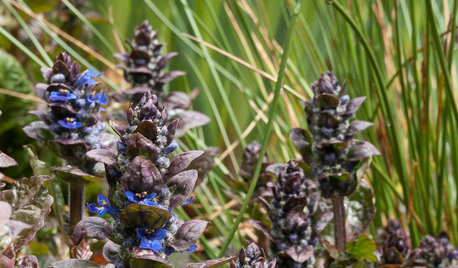
GARDENING GUIDESGreat Design Plant: Bugle Weed, a Quick Ground Cover
It’s highly adaptable, suppresses weeds, reduces erosion and provide weeks of bright flowers. Just watch for invasiveness
Full Story
HOUSEPLANTSIndoor Winter Gardens for Cheerier Days
Bring plants inside for drab-days mood boosting — not to mention cleaner indoor air and protection for your greenery
Full Story
GROUND COVERSNative Alternatives to English Ivy, Japanese Pachysandra and Periwinkle
These shade-loving ground covers are good for the environment and say something about where you are
Full Story
lomatia