

Book of the Week
12 years ago
Sort by:Oldest
Comments (7)

Related Stories
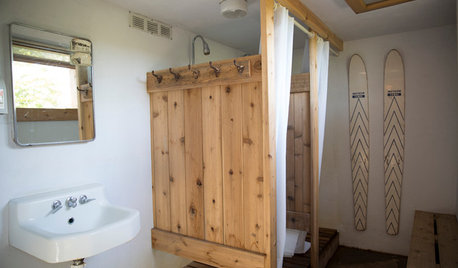
LIFEYou Said It: ‘Stay Humble’ and More of the Week’s Tips and Ideas
Design advice, inspiration and observations that struck a chord this week
Full Story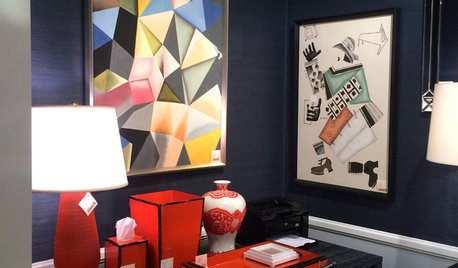
EVENTS5 Big Trends From This Week’s High Point Market
Learn the colors, textures and shapes that are creating a buzz in interior design at the market right now
Full Story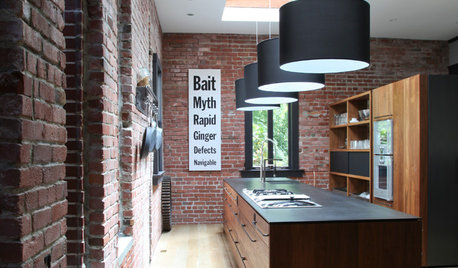
KITCHEN DESIGNKitchen of the Week: A Onetime Carnegie Library Gets Cooking
Trading books for baguettes, this California kitchen underwent years of remodels before its latest modern incarnation
Full Story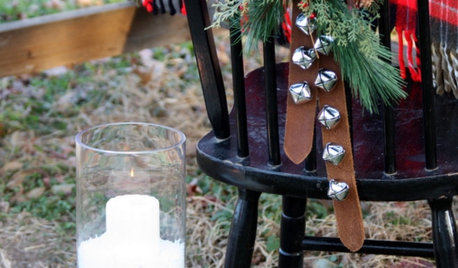
ENTERTAININGHow to Prep for a Holiday Party in One Week
You can take care of the house, menu and music in a few days with help from this time-saving checklist
Full Story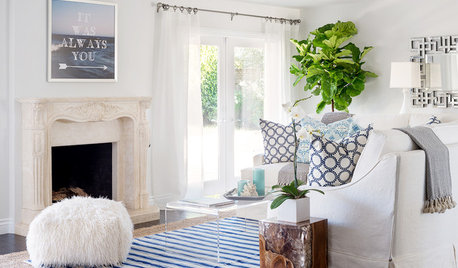
LIVING ROOMSDesign Dose: 3 Living Rooms That Caught Our Eye This Week
We wanted to learn more about these living rooms — bright, bold and rustic — uploaded in the past 7 days
Full Story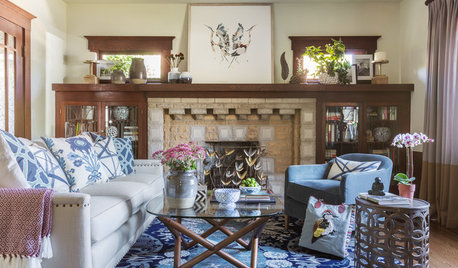
LIVING ROOMSNew This Week: 3 Living Rooms That Ditch the Tech for Family
Quiet and serene, these spaces invite family and friends to congregate
Full Story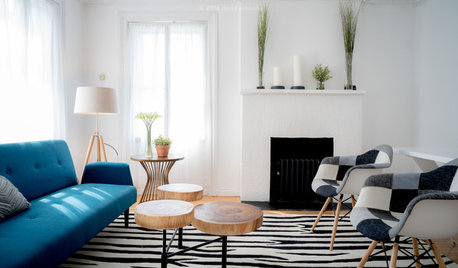
LIVING ROOMSNew This Week: Why Blue Is the Perfect Accent Color for a Living Room
Look to these 4 spaces for a dose of relaxation
Full Story
BATHTUBSNew This Week: 3 Dreamy Places to Take a Bath
Care for a soak? These polished spaces will have your fantasies running wild
Full Story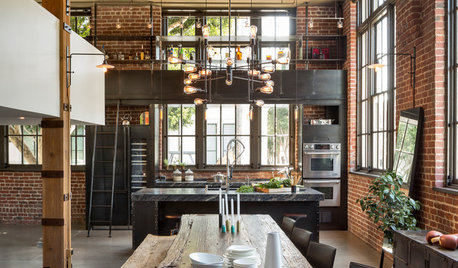
INDUSTRIAL STYLEKitchen of the Week: Style Trumps Ease in a San Francisco Loft
What’s a little ladder climbing when you’ve got a gorgeous-looking kitchen design like this?
Full Story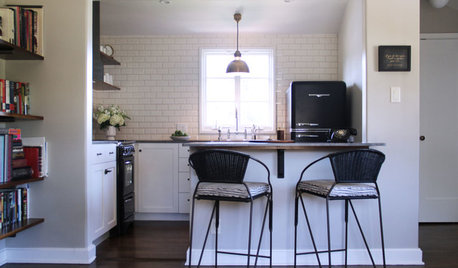
KITCHEN DESIGNKitchen of the Week: Tipping a Hat to Vintage in Hollywood
Inspired by a quirky antique, this kitchen for a writer-performer recalls the 1920s without conjuring a movie set
Full Story

stacey_mbOriginal Author
sable_ca
Related Discussions
Book of the Week
Q
Book of the Week
Q
Book of the Week
Q
Book of the Week
Q
stacey_mbOriginal Author
sable_ca
stacey_mbOriginal Author
sable_ca
stacey_mbOriginal Author