

Dog Soap
22 years ago
Featured Answer
Sort by:Oldest
Comments (15)
 22 years ago
- 22 years ago
Related Discussions
Peppermint castile soap for aphids?
Comments (7)Many, many years ago I used that as an insecticide on some of my veggies, and it seemed to at least slow them down. Here's a post I found about Dr. Bronner's peppermint castile soap: "As a preventative mix 1 tablespoon Dr Bronner's Peppermint soap per quart water. Spray on vegetables on a regular bases or first sign of trouble. On specific pests mix 5 tablespoons per quart water. Test first on plant/bug to see if it is too strong or not strong enough." With aphids, I usually just use a strong spray with water from the hose....See MoreNon-Toxic Tick Control?
Comments (7)This is some information from another website. I can't vouch for it. ellen Just a few alternatives to synthetic pesticide poisons: 1. Neem - One of the best natural or botanical pesticides for controlling bloodfeeding arthropods and other pests is Neem. What is Neem? Neem, a member of the Meliaceae family and a botanical cousin of mahogany, is a tall, fast-growing, evergreen tree which has an attractive crown of deep-green leaves and masses of honey-scented flowers and thrives even in nutrient-poor, dry soil. It tolerates high temperatures, low rainfall, long spells of drought and salinity, and can be propagated by seed. Because of its many benefits, neem has been worshipped as a goddess in India. Neem is bitter in taste. The bitterness is due to the presence of an array of complex compounds called "triterpenes" or more specifically "liminoids". The most important bioactive principle is a terpenoid known as azadirachtin; however, at least 10 other neem limonoids also possess insect growth regulating activity. The tree's scientific name is Azadiractita indica. Neem has been used for centuries primarily against household and storage pests, and to a limited extent against crop pests. Neem trees were the only green thing left standing during a ravaging locust plague in Sudan in 1959. Neem does not kill pests but affects their behavior and physiology and reduces the risk of exposing the pests' natural enemies to poisoned food sources or starvation. Neem derivatives affect more than 200 insect species belonging to Coleoptera, Diptera, Heteroptera, Homoptera, Hymenoptera, Lepidoptera, Orthoptera, Thysanoptera, several species of mites and nematodes, and even noxious snails and fungi. Although neem oil can be used directly for pest control, semi-purified "bitters" and "neem rich" fractions can easily be standardized for biological properties and could satisfy even stringent quality requirements. Being water soluble, they also can be applied as systemic compounds which render them more photostable and nonphytotoxic. A garlic odor often present in other neem products is absent in "bitters". Neem products are effective and relatively hazard-free. An added benefit of using semi-purified neem fractions, rather than pure compounds, is that pests will be less likely to develop resistance. Neem compounds act together on several different behavioral and physiological processes which also helps prevent insects from evolving resistance to the compound. Their effects include repellence, feeding deterrence, reduced ingestion and digestion of food, poor growth and development, reduced longevity and fecundity, mating disruption, oviposition deterrence, inhibition of egg hatchability, molting failures and direct toxicity. Reports suggest that by paralyzing the muscles in the insects' mandibles neem induces starvation. At lower than lethal dozes, azadirachtin also mimics juvenile hormone, preventing insects from maturing. Neem-based insecticides can be further fortified against dynamic pests by optimizing their use with microbials or other botanicals. Neem fruits, seeds, oil, leaves, bark and roots can be used as general antiseptics, antimicrobials for the treatment of urinary disorders, diarrhea, fever, bronchitis, skin diseases, septic sores, infected burns, hypertension and inflammatory diseases. Neem oil and its isolates - nimbidin, nimbidol and nimbin - inhibit fungal growth on humans and animals. Neem leaf extracts and teas are used to treat malaria; ioquin tablets and injections containing neem extract are currently being formulated for treating chronic malaria. Exposing kissing bugs (Rhodnius prolixus), the major vector of Chagas disease in Latin America, to neem extracts or to azadirachtin "immunizes" them against their internal protozoan parasite Trypanosoma cruzi. We are trying it on termites. Cattle leaf supplements containing neem leaf powder are used as worm killers. Creams containing neem oil are used for animal wound dressing and also act as fly and mosquito repellents. Neem oil in human bathing and laundry soap kills lice and neem in dog soaps and shampoos controls ticks and fleas. Neem twigs are used daily by millions in Bangladesh, India and Pakistan as disposable toothbrushes; extracts of neem bark are used in some toothpastes and mouthwashes. Neem plantings also serve as a refuge for honeybees, wasps, spiders, birds, bats and other beneficial organisms, and the litter of falling leaves can improve soil fertility. Neem overall as a relatively safe, natural (botanical) pesticide poison with numerous benefits. Neem nectar does not kill pollinating bees. 2. Noxema - We have found that Noxema® or Ben-Gay® applied to the exposed skin of children and people repels mosquitoes and other pests. (Always check to see if you are sensitive before using any product.) 3. Invincible Herbal Insect Repellent from Great Garden Formulas by Joan Benjamin and Deborah L. Martin: "...before heading outdoors, I douse myself with an incredible repellent that my friend Marion Spear and I concocted, Tina Wilcox, head gardener at the Ozark Folk Center in Mountain View, Arkansas says. "It renders me almost invincible to both insects and poison ivy!" Ingredients and Supplies: 1 large handful fresh jewelweed (Impatiens capensis) 1 large glass jar with plastic lid (vinegar corrodes metal) 1 strainer 1 quart apple cider vinegar ½ teaspoon pennyroyal oil 1 teaspoon eucalyptus oil 1 teaspoon orange oil 1 teaspoon citronella oil 1 plastic spray bottle Directions: Crush jewelweed in the jar and cover with vinegar. Let steep for several days. Strain out the jewelweed and mix essential oils into the vinegar. Before applying all over, spray a small amount on the inside of your arm and monitor for 15 minutes for any allergic reaction. To use, spray thoroughly on clothing and lightly on any exposed skin except your face. Reapply every ½ hour or so. (To keep insects away from your face, spray your hat or bandanna.) Yield: About 1 quart of invincible spray. Note: This formula will keep indefinitely. Caution: If you are pregnant, don't use pennyroyal, even topically, as it may increase the risk of miscarriage. Note: Citronella oil has been known to attract female black bears....See MoreHomemade laundry soap vs. Charlies Soap?
Comments (41)To those of you who have been using these "home made" detergents, are you experiencing any odor, mold or mildew issues? The reason I ask is because castile soap builds up into a gooopy, gel-like gunk if not properly rinsed. This could potentially cause problems in washers. Every home-made product I've tried - from detergent to fabric softener - has proven unsatisfactory. Either the products don't clean well, they risk building up in my machine or on my clothes or they just don't work. Price is not the only consideration, which is what appears to be driving this homemade laundry movement....See MoreThank doG and ANYONE for dog grooming equipment
Comments (1)Yikes! Quick thinking saved the day at your house :) Maybe I should get me one of those dryers...not that my dog would EVER let me near her with it, but it may come in handy in an emergency!...See More- 22 years ago
- 22 years ago
- 22 years ago
- 22 years ago
- 22 years ago
- 22 years ago
- 19 years ago
- 18 years ago
- 18 years ago
- 18 years ago
- 18 years ago
- 10 years ago
Related Stories

BATHROOM DESIGN21 Dream Showers Let You Soap Up in Style
These sensational showers have it all: spectacular design, luxurious materials and sleek high-tech features
Full Story
PETSSo You're Thinking About Getting a Dog
Prepare yourself for the realities of training, cost and the impact that lovable pooch might have on your house
Full Story
MORE ROOMSHouzz Rule: No Dogs Allowed?
If your home has a no-pets policy, here's what to do when guests arrive unexpectedly with a four-legged friend
Full Story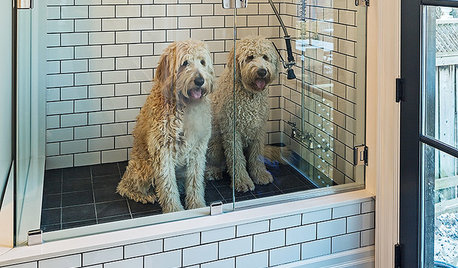
THE HARDWORKING HOME8 Laundry Room Ideas to Watch For This Year
The Hardworking Home: A look at the most popular laundry photos in 2014 hints that dog beds, drying racks and stackable units will be key
Full Story
PETSDealing With Pet Messes: An Animal Lover's Story
Cat and dog hair, tracked-in mud, scratched floors ... see how one pet guardian learned to cope and to focus on the love
Full Story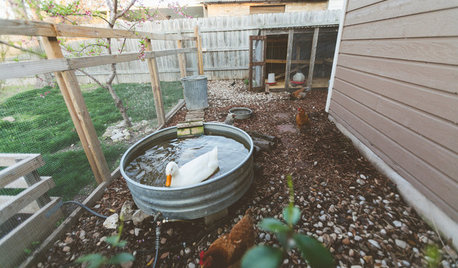
FARM YOUR YARDMy Houzz: An Urban Farm and Animal Sanctuary in Austin
Four dogs, four chickens, a duck and a kitten find refuge in a photographer’s updated home
Full Story
PETS15 Doggone-Good Tips for a Pet Washing Station
Turn a dreaded chore into an easier task with a handheld sprayer, an elevated sink or even a dedicated doggie tub
Full Story
KITCHEN DESIGNSpring Clean Your Kitchen
Scour our 15 ways to ditch the dirt and get rid of the gunk, leaving your kitchen spick and span in time for spring
Full Story
HOUSEKEEPINGWhen You Need Real Housekeeping Help
Which is scarier, Lifetime's 'Devious Maids' show or that area behind the toilet? If the toilet wins, you'll need these tips
Full Story
HOUSEKEEPINGTackle Big Messes Better With a Sparkling-Clean Dishwasher
You might think it’s self-cleaning, but your dishwasher needs regular upkeep to keep it working hard for you
Full StorySponsored

Leading Interior Designers in Columbus, Ohio & Ponte Vedra, Florida
Jennifer_POriginal Author