

shelf life of homemade caramels???
17 years ago
Featured Answer
Sort by:Oldest
Comments (10)
 17 years ago
- 17 years ago
Related Discussions
'shelf life' of compost
Comments (10)Some of the better results I've had with raised beds was using very old compost. I had a trailer on a lake bed in Central Nevada where almost nothing would grow. Not quite as bad a pictures of the Salt Flats but almost. I hauled a truck load of large sacks of commercial compost out there and put them in a metal shed. Outside temperatures regularly got above 100°F in summer and below freezing in the winter. The compost in the sacks set there for several years. When I went to fill the raised beds the bags of compost had large white grubs. I filled the beds with that compost. No "soil" within miles. I planted and watered and grew some fantastic annuals....See MoreQuestions regarding homemade dry seasonings.
Comments (1)I'll see if I can answer some of your questions. #1 - If you have the freezer space, it's best to store there. It will prolong the life of your herbs. However, it isn't necessary. If they are dried sufficiently, they are shelf stable and that's the purpose for many of us, to keep them out of the freezer and use that space of other things. #2 - You will always get the freshest flavor by grinding immediately prior to use. In practical application, I would make your mixes in amounts that you can use up in 1-3 months. It's much more efficient use of your time. In that short time, I wouldn't worry about one flavor taking over. Adjust as needed if you find this happens. #3 - Dry seasonings that aren't sufficiently dry can mold. You'll know!!! Smell them. Otherwise, they just gradually lose potentcy over time. IF they contain oils, I suppose you might get some rancidity, but normally just a musty, dry, smell that is far removed from the original. #4 - No issues that I know of storing/mixing herbs with salt. It is used (unfortunately) as the base for many store-bought seasonings. I usually just add it during cooking so I can adjust for other things in the dish (i.e. broth, ham, bacon, butter, etc.) that might already be salty. Sounds like much tasty experimenting to happen at your house! Enjoy. Deanna...See MoreCost Benefit Analysis Store Bought Bread vs Homemade
Comments (37)After reading these horribly high prices for flour I went out this morning and purchased 50-pounds of wheat to add to my already sizable stash. Kansas wheat is not looking all that good, especially in the western part of the state where they have been in a drought. With rising fuel prices, we can only look forward to higher prices for wheat and flour - and everything they are used in. FYI - Wheat has a nearly indefinite shelf-life while commercial bleached and unbleached flour will keep 6-12 months at room temperature (double that if frozen). I use wheat for making wheat sprouts, wheatgrass, cooked wheat berries, farina, flakes, "wheat meat", bulgar and cracked wheat - and oh, yes, flour. I ran across a book recently - "No Wheat Grinder Wheat Recipes" by Cindi Van Bibber. A great little collection of recipes you can use whole wheat berries in even if you don't have a grain mill. Cooked wheat berries are mixed in the blender to use in recipes like: No Flour Muffins, Cornbread, Brownies, Meatloaf, Biscuits, Meatballs, and hubby's favorite - Peanut Butter Cookies. A great little book for anyone wanting to use whole wheat but who doesn't have a grain mill. I've included the link below for anyone interested. I like to "cook" a large batch of wheat in my Thermal Cooker and then bag it in 2-cup amounts and keep it in the freezer. Lots of uses for cooked wheat, as well as all the recipes in the little cookbook. -Grainlady Here is a link that might be useful: Cindi's Lifestyle Treasures...See MoreGrainlady - other canners - Can you can caramel sauce
Comments (7)Thanks for all the replies. I heard about this first on another board where probably 20 or 30 women have successfully boiled in the can. no-one reported any explosions although lots of mention was made to insure the cans always remain covered with water. The intent of re-canning was just to get a prettier jar but I can and will simply (although nothing is simple when it comes to digitizing and printing a label) use a homemade label. I've never made it but here's the BB Praline Syrup recipe 2 cups dark corn syrup 1/2 cup water 1/3 cup brown sugar 1 cup pecan pieces 1/2 tsp vanilla Combine syrup and water in a saucepan. Add sugar stirring frequently until dissolved. Bring to a boil; boil one minute. Reduce heat, stir in pecans and vanilla; simmer 5 minutes. Ladle hot syrup into hot jars leaving 1/4" headspace. Adjust two piece caps. Process 10 minutes in BWC....See More- 17 years ago
- 17 years ago
- 17 years ago
- 17 years ago
 17 years ago
- 17 years ago
- 17 years ago
Related Stories

OUTDOOR PROJECTSBring In the Birds With a Homemade Bubble Rock
An avian expert from Southern Indiana shows how to make a burbling fountain that migrating birds will love
Full Story
KITCHEN DESIGNPearls of Wisdom From a Real-Life Kitchen Remodel
What your best friend would tell you if you were embarking on a renovation and she'd been there, done that
Full Story
LIFEImprove Your Love Life With a Romance-Ready Bedroom
Frank talk alert: Intimacy and your bedroom setup go hand in hand, says a clinical sexologist. Here's her advice for an alluring design
Full Story
VALENTINE’S DAYOur Big Book of 50 Valentine's Day Decorating Ideas
Wear your heart on a wall, table, bed, bench, pillow, shelf or shade
Full Story
LIFESimple Pleasures: The Joy of Baking
Fill your house with a heavenly scent and your heart with cheer by making time to bake
Full Story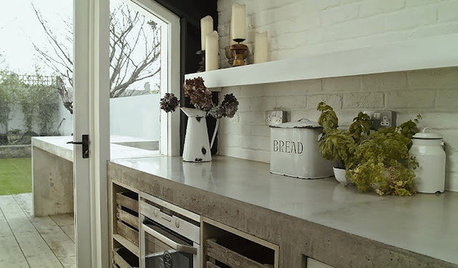
KITCHEN COUNTERTOPSKitchen Counters: Concrete, the Nearly Indestructible Option
Infinitely customizable and with an amazingly long life span, concrete countertops are an excellent option for any kitchen
Full Story
FEEL-GOOD HOMESimple Pleasures: Make Do and Mend
Experience the satisfaction of fixing, repurposing and creating things yourself around the home
Full Story
LIFEThe Polite House: What’s an Appropriate Gift to Welcome a New Neighbor?
Etiquette expert Lizzie Post suggests the right time and best presents to introduce a new neighbor to your area
Full Story
LIFE10 Beautifully Simple Ways to Go Greener in the New Year
You may just find more green in your wallet along the way
Full Story
DECORATING GUIDESHow to Love Your Kitchen More, Right Now
Make small changes to increase the joy in your kitchen while you cook and bake, without shelling out lots of dough
Full StorySponsored

Central Ohio's Trusted Home Remodeler Specializing in Kitchens & Baths

rachelellen