

My pinto beans are always bitter
16 years ago
Featured Answer
Sort by:Oldest
Comments (37)
 16 years ago
Related Discussions
Double Duty Beans and Beans in Oklahoma
Comments (18)Bon, The world of beans and southern peas is incredibly diverse and many of them are multipurpose and can be eaten as snap beans/peas, shelly beans/peas or dried beans/peas. An old southern method of drying them in the pods gives you "leather britches" to store and cook later. Some varieties make better leather britches than others. You'll have a ball exploring the world of legumes. We almost always only eat our home-grown beans and southern peas in the green stage, whether frozen or fresh. Some of my fondest childhood memories are of us sitting on the porch, snapping beans or shelling peas, with glasses of lemonade or kool-aid sitting beside us, while big luna moths flailed around, beating their wings against the screen door beneath the porch light. Now...that is a great childhood memory! Forget Disneyland or Carlsbad Caverns, which were fun in their own way. I treasure simpler memories a lot more. I normally do not dry the beans I raise. Dried beans are as cheap as can be at the store, especially black-eyed peas (although the commercial varieties sold usually are inferior to the pinkeye purple hulls) and pinto beans. I'd rather use the ones we raise as snaps or shellies, which are a lot more expensive at the store than dry beans. A couple of weeks ago we were at Central Market in Southlake and they had shelled fresh pink eye purplehull peas in a container that might have had 10-12 oz. in it and cost either $5 or $6. I tried to imagine what it would cost to buy all the peas I raise annually, and couldn't even imagine it. I grow tons of beans and tons of southern peas. I like diversity so plant many varieties of each. Just in the southern pea category, you have pinkeye purple hulls, crowders, black-eyed peas, zipper peas, lady peas and cream peas, with many named varieties of each. One thing to remember is that heat has the same effect on bean (but not southern pea) blooms that it has on tomato blossoms, so you have to plant them at the right time in spring (April) for a summer harvest, and keep your fingers crossed that the weather won't heat up too early. If you plant late, most varieties won't produce well because they'll be blooming when temperatures are over 90 degrees and a lot of the blossoms will drop without forming beans. You can, however, plant beans again in the mid-summer for a fall harvest. We call those October beans here, with October not being a variety, but rather being the main time you're generally harvesting them. With southern peas, there's tons of varieties and I'm not happy unless I plant at least six kinds every year, but it is okay with me if most of those six varieties are some form of pink eye purplehull. So far I have planted the following southern peas: CT Pinkeye Purple Hull, Pinkeye Purple Hull BVR, Big Boy Pinkeye Purple Hull, Quick Pick Pinkeye Purple Hull, Red Ripper and Mackey (said to be a family selection of PEPH from Louisiana). Still waiting for a spot in the garden? Whippoorwill and Tohono O'odham, The latter is a southern pea from the native people of the southwestern part of the USA. This bean has the black and white markings like a holstein cow and is very drought-tolerant and heat-tolerant. To see a great selection of plants from the Native peoples of this county, check out Native Seed/SEARCH at the link below. With green beans, we eat most of them as snap beans but every now and then I'll grow a variety or two to use as shelly beans. Of course, Lima Beans always are shelled for cooking. I grow 6 to 10 varieties of snap beans every year, but mostly in the fall if the cold weather hangs on deeply into late spring like it did this year. The late cold is too often followed by a quick warm-up that makes bean blossoms fall. We were in the upper 90s today, so with that sort of weather already arriving, I do not have high hopes for my FM1K pole beans that I have growing on the garden fence. They might be able to hang on all summer and produce in the fall though. Regardless, I can plant more in July for a fall harvest if these look too tired from fighting the heat, pests and diseases by then. Your general fall planting dates for legumes here are: Southern peas and Pole Snap Peas July 15-30, Bush Snap Beans and Lima Beans August 10-20. If you plant later than that, you run the risk of losing the peas and beans to frost before they mature. If you plant earlier (and sometimes I risk it in a rainy and cooler-than-average summer), your plants will be subjected to the stress of a lot of extra heat and pests but won't produce earlier unless the weather cools down early (sure, like that is ever gonna happen). You just have to experiment with both beans and southern peas and figure out what types of each your family likes to eat. Experimenting with the different tastes and textures is as much fun as growing them. My family likes to eat the broad/wide Romano-type snap beans, which are a good, meaty bean with a strong beany flavor. A more colorful diet is a more healthy diet, so I grow beans in a huge variety of colors. For this fall I have Tanya's Pink Pod (pink, obviously), and Puriat (purple), Capitano (yellow), as well as Garrafal d'oro (green), and also Purple Dove (purple). Then, in the haricot verts category, I'm growing Slenderette (green), Purple Queen (purple) and Golden Roc d'Or (yellow). I've got Contender and Provider for plain old green snap beans, and Purple Velour for tasty and tender purple snaps for fresh eating only. (They don't freeze well). I've also got Tenderstar for fall, and some Insuk's Wang Kong. Some years I grow some cutshorts and some greasy beans, and I may plant some odds and ends I have left over from previous years for fall, if it manages to rain between now and planting time in July. Pole beans are beautiful and very productive and you don't have to bend or stoop over to pick them, and there's tons of good ones. I usually grow some of the following most years: Rattlesnake, Louisiana Purple Pole, Blue Coco, Jeminez, Cherokee Greasy, Cherokee Cornfield, Garrafal d'Or, Musica, Red-Striped Greasy and sometimes McCaslan or Potomac or other cutshort or greasy bean varieties. Scarlet Runner Beans do not produce well in heat, so are better for fall harvest than summer harvest, and Insuk's Wang Kong is the one I've grown for several years now. I never get a great many beans from them, but usually plant them to climb my 12-foot-tall ornamental windmill and the hummingbirds love their blossoms. Don't forget Lima Beans. There is so much more to Lima Beans than just plain old green ones. I like to grow all kinds of butterbeans, include Violet's Multicolored Beans, Worcester Indian Red, Henderson Bush Bean and Christmas. While most snap beans are either bush form or vining form, there's some that are somewhere in between and they usually are called half-runners. Some half-runners I've grown get taller than bush beans but not quite as tall as pole beans if they have nothing to climb. Give them something to climb, though, and some of the half-runners climb almost as tall as traditional pole beans. In this category I usually grow State Half-Runner or Mountaineer Half-Runner. We haven't even discussed yardlong (asparagus) beans (which are more like southern peas than traditional beans), or dried beans. I usually grow the red asparagus beans. With dried beans, I like to grow Borlotto Tongue of Fire or Signora della Campagna. And we haven't touched on moth beans, tepary beans, fava beans or Edamame (soybeans). All the talk of pinkeye purplehull jelly makes me smile and brings back fond memories. As with tomatoes, there's thousands of bean varieties and at least a few dozen varieties of southern peas, so you can explore them forever and never run out of new varieties to try. John Withee collected and save just under 1,200 bean varieties. I cannot even imagine all the work it took to raise them and save the seeds and keep all those varieties pure. Oh, and there's rice beans too. The bean world is endlessly fascinating, and my favorite bean varieties change constantly depending on which ones had the best flavor and productivity in any given year. Dawn Here is a link that might be useful: NativeSeeds/SEARCH...See MoreHelp! I have too much salt in my beans!
Comments (17)Made a I gladly attempted to make a pot of New Orleans style red beans to please my significant other because it's their favorite dish .. WAY TOO MUCH TONY'S seasoning got in the pot .. so I used the potatoe trick, two white russet potatoes cut in half soaked up that salt & just to be safe a sprinkled a tad bit of sugar .. beans are amazing!...See MoreBeans, Beans, and more beans !!
Comments (9)I always have some cooked beans on hand. I cook them in a slow cooker and keep in the fridge for quick meals. If I have too much, I will freeze portions. I also have brown rice (usually seasoned with parsely) cooked in the fridge or in indiv portions in the freezer. I don't like brown rice very much if it is fresh cooked. It is always best when it is reheated after being frozen or refrigerated. I've used this simple recipe with nearly every kind of bean and it is always good. Makes one hearty serving. 1 cup rice cooked 1 cup cooked lentils (or garbanzos or black beans or lima) kosher salt pepper shallots chopped (to your taste- I use 2) a nice handful of cilantro (to your taste) olive oil drizzled parmesan cheese - 2 or 3 tablespoons on top combine all ingredients microwave on high for 2 - 4 minutes depending on your microwave. This is good to take in a plastic container to work to be heated at lunch. ======================================= Wilted lettuce/bean salad Another way is to make a nice green salad of lettuce/tomatoes/shallots/mushrooms and all that you like in a salad. Toss with salad dressing. Heat 1 cup cooked lentils (seasoned with salt and pepper) Add heated lentils to top of chilled lettuce salad top lentils with parmesan or romano cheese and serve (croutons are nice too if you have them) (You can add a little extra olive oil to the lentils depending on how you cooked them). I love the combination of chilled lettuce and warm beans. Try it, you'll like it....See MoreRECIPE: given pinto beans, what do I do with them?
Comments (11)LINDAS BEAN SOUP This recipe is my own concoction. I adjust all the spices and ingredients to my taste, so IÂll give you the basics, and you have to go with it from there. Be sure to go easy with the spices in the beginning because the flavors intensify as the cooking continues. You can always add more, but you canÂt remove what is already there. **-Beans, either dry 16 oz. Bag (must soak overnight or follow directions on package) or canned about 4 cans (drain); (I use pinto or black beans, but any beans will work) -Bacon cut up (about ½ to 1 pound for a large pot) -Onions & Garlic (chopped) (I use a large onion and a whole head of garlic) -Chicken broth (about 3 32 oz. cans or cartons of broth) -Sausage (4 or 5 links) -Tomatoes (both chopped and whole) (fresh or canned) about 2 cans chopped and 4 fresh whole tomatoes -Rotel tomatoes (one or two cans) -Peppers fresh (jalapeno, Serrano, habanero) (I use one each-whole) -Beer (one can) -Cilantro (one bunch; the whole bunch including stems) -Fresh Chives and/or green onions (one bunch) -Oregano (fresh or dried) if using fresh herbs always use 3 times that of dried herbs -Cumin (1/4 cup) -Cayenne Pepper (one tablespoon) -Chili Powder (1/4 cup) -Salt & Pepper (freshly ground) to taste -Green Pepper (optional) -Rice (Optional) I fry up the bacon and add the onions and garlic. Be sure not to overcook the garlic or it will get bitter. If this happens, you might as well start over because burned garlic is really bad. Then I add the sausage and brown it. Again make sure you donÂt overcook the garlic. Then I add the broth, beans, a beer, the tomatoes, Rotel peppers, fresh peppers (I use one of each) and all the spices and then finish with water to cover the beans by about 2". Bring to boil (do not allow it to burn) and then reduce heat to simmer. Depending on whether I use dried beans or fresh beans, the cooking time will vary. With dried beans, it takes about 2 to 3 hours to cook. You can then serve the beans with sour cream, fresh chives, fresh tomatoes, fresh onions, and fresh cilantro. Also if you want, you can add some rice (either cooked or uncooked) directly into the beans towards the end of the cooking period. Or you can just serve the beans over a bed of rice. I use yellow rice, but white rice works just as well. The rice will give you more of a full feeling, if you know what I mean. Linda Texas P. S. Funny store. One day I had a pot of beans on the stove and had to run to the store, so I asked my DH to keep an eye on the beans so they would not burn. I was gone longer than expected, and when I came back, because the beans had reduced a lot of the liquid, DH came to the rescue. During the hour or two I was gone, he managed to keep putting beer into the beans rather than water. He put in a whole six-pack of beer (UGH)!! Anyway, I managed to rescue the beans by adding massive amounts of water and reducing the water. They were "OK", but I highly recommend only one beer and not an entire six-pack. **When using black beans add 2 to 4 smoked ham hocks for great flavor....See More- 16 years ago
- 16 years ago
- 16 years ago
- 16 years ago
- 16 years ago
- 16 years ago
- 16 years ago
- 16 years ago
- 16 years ago
- 16 years ago
- 16 years ago
- 16 years ago
 16 years ago
- 16 years ago
- 16 years ago
- 16 years ago
- 16 years ago
- 16 years ago
- 16 years ago
- 16 years ago
- 16 years ago
- 15 years ago
- 15 years ago
- 13 years ago
- 13 years ago
- 13 years ago
- 13 years ago
 13 years ago
 13 years ago
- PRO9 years ago
 7 years ago
- 7 years ago
- 7 years ago
 7 years ago
- 10 months ago
Related Stories
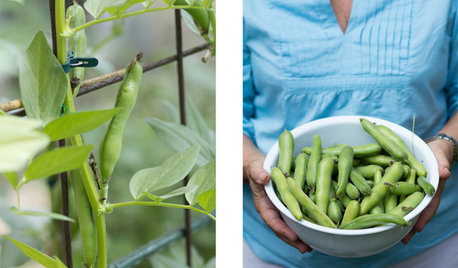
SUMMER FRUITS AND VEGETABLESSummer Crops: How to Grow Beans
Grow your own beans for amazing variety and healthy, convenient produce all summer
Full Story
GARDENING GUIDES10 Easy Edibles for First-Time Gardeners
Focus on these beginner-friendly vegetables, herbs, beans and salad greens to start a home farm with little fuss
Full Story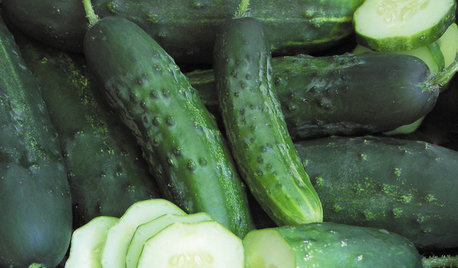
SUMMER FRUITS AND VEGETABLESSummer Crops: How to Grow Cucumbers
Pick a peck for pickles or opt for fewer and raw — no matter how you slice them, cucumbers are great for summer gardens small to large
Full Story
KITCHEN DESIGNSimple Pleasures: Wake Up and Smell the Coffee
Slugging down any old sludge while pulling on socks is no way to start the day. Learn to brew amazing java and savor the experience here
Full Story
GARDENING GUIDES15 Favorites for Your Summer Edible Garden
Get your summer garden off to a good start with these popular fruits and vegetables
Full Story
PETSSo You Want to Get a Cat
If you're a cat lover, the joys outweigh any other issue. If you haven't lived with one yet, here are a few things to know
Full Story
LIFEHow Do You Make Your Tea and Coffee in the Morning?
A morning cup is a must for many, and preparation comes in many guises. We look at coffee and tea habits across the Houzz community
Full Story
MOST POPULAR7 Ways to Design Your Kitchen to Help You Lose Weight
In his new book, Slim by Design, eating-behavior expert Brian Wansink shows us how to get our kitchens working better
Full Story
PETSPet-Proofing Your Home: A Room-by-Room Guide
Not all pet dangers are obvious. Keep furry friends safe and sound by handling all of these potential hazards
Full Story
LIFETable Manners for Modern-Day Dining
Elbows and cell phones? Maybe. Forgetting to say 'thank you'? No way. Our mealtime etiquette guide takes the guesswork out of group dining
Full Story
sheesh