

Bread machine will not start, am I doing something wrong?
15 years ago
Featured Answer
Sort by:Oldest
Comments (23)
 15 years ago
 15 years ago
Related Discussions
Am I doing something wrong?
Comments (8)Thank you lilbit for being so encouraging! :) Hmm, I asked in another post and a couple people said to water and fertilize right after planting, which was unlike what I've usually done in the past, but I did it anyway because I obviously don't know what I'm doing with this stuff. When you used the pencil for the string of pearls, whenever you pull the pencil out to put the roots in, doesn't the mix immediately fill the hole you just made? That's the issue I'm having.. I really hope everything does turn out well though. I don't necessarily think it's the gritty mix itself, I mean, everyone has success with it. I think it's something I'm did wrong with the gritty mix. I wish there was a video I would watch or something like that, you know? Lol I hope I didn't leave out an important step while getting materials together and planting. I just hope whatever I did wrong isn't so bad that I can't save them. Itecato - Thank you for your advice. I'm not sure I know what you mean by 'sticking together when moist.' I put some in my hand and spayed it with a spray bottle and then made a fist and it didn't stay in a ball when I uncurled my hand. Is it supposed to? I thought the point of a gritty mix was to have it be as gritty as possible? But on a happier note, all of the cacti that I've potted seem to be doing really well and my jade seems to love it as well. So that's good! Do y'all have any idea that can cause a little yellowing and some leaves to drop with a sedum treleasei? And one more question- I have an E. Blue Princess that's about to bloom, should I wait to repot until it's done or is it fine to go ahead and repot? Thanks for all of the help! I appreciate it more than y'all know! - Sam :)...See MoreI am doing something wrong...
Comments (6)I use Promix BX or some professional variation. I have tried adding extra perlite to lighten, But it hasnt helped. I will try cutting back some more on the water. I used to root african violet leaves for baby plants in a 50/50 mix of vermculite and perlite. It would stay slightly moist without being soggy. I have thought about some combo like that for the peppers. Thanks...See MoreHabanero germinating am I doing something wrong
Comments (14)So I finally had got some sprouting action. The batch I started 3 week ago finally came up. I Saw the first on Saturday a Mustard hab, and 2 orange tree habs yesterday. Man that took a long time to happen. I was going to toss them out to but waited as other suggested. Today was going to be d-day for them had I not seen anything by the time I got off work today. My store bought seeds still haven't popped up yet though. I will give them til Friday then I'm going to start a new batch with previous suggestions on helping to speed up the process. Patience was a virtue with these guys. Thanks All Rey........See MoreBread not rising - what am I doing wrong?
Comments (18)Bejay- "Best method" is subjective. It's more important to understand what characteristics each method brings to your bread and let you decide "best". As Shirley Corriher says in her excellent book "CookWise", "Give ten bakers the same flour, yeast, salt, and water and have them make bread with just these ingredients and they will make ten different loaves of bread." There are three basic methods of breadmaking: -Straight or direct-mix method (relatively fast method most often used today) -Sponge Method (all of the liquid, yeast, and part of the flour are beaten together and allowed to ferment - anywhere from 30-minutes to 12-24 hours) -Naturally-leavened (sourdough or starter) As a bonus not normally lumped into these standard bread methods, I'll add the No-Knead Bread Method - a modern version of the sponge method made by retarding the mixture in the refrigerator. Each of these methods impart their own "stamp" on breads. If I want to make light, high-rising loaves of 100% Whole Wheat Flour Bread, and avoid those whole wheat "bricks", I'll use a sponge method which is better suited for this type of bread than using the straight-dough method. Even as little as a 30-minute sponge will improve your bread. "Experts" say the optimum amount is 2-1/2 hours for a sponge. For whole wheat bread I prefer an overnight sponge, but 2-1/2-hours works well enough. When dough is chilled (retarding the dough), it influences the dough in three ways: -Enhances the flavor (the yeast goes into dormancy so it no longer consumes all the available sugar and the bacteria present can feed and produce flavorful acids. -Reduces ovenspring and loaf volume -Opens texture slightly There are those wonderful recipes for Cool Rise Bread that helped the busy homemaker in the 1950's. The recipe from Kitchen Aid for "Quick Mix Cool Rise Bread" was very popular. When it comes to the sourness of your starter, that can determined by the amount of hydration in your mixture. It gets more acidic the less water is in the mix. Once the yeast has consumed the sugar, the yeasts die off. The bacteria have a chance to develop that "sour" taste and will consume the dead yeast and produce lactic acid - the same souring acid found in yogurt and kefir. Adding yogurt is a modern adaptation, but when it comes to starter, they are about as varied as the people making them ;-). In my grandmother's day, they used starter all the time and never called the bread "sourdough". When the bread took on an acidic flavor we think of as "sourdough" bread, they did what was called "sweetening the pot". They took a tablespoon of the starter, and with consecutive feedings, developed that small into their usual amount of starter for the typical mild-flavored breads they made back then. Before the advent of fresh and dried yeast products, there were any number of methods for making naturally-leavened bread. "Old dough" (a lump of dough packed into flour and kept cool until the next baking day when it was used to make a starter), homemade yeast products made with hops and cornmeal, dry homemade yeast as well as liquid homemade yeast and starter.... I can make a naturally-leavened bread by using my homemade kefir + flour for the starter. There are lots of friendly bacteria in the kefir and lots of yeast in the whole wheat flour - more than enough to make bread rise. -Grainlady...See More- 15 years ago
- 15 years ago
- 15 years ago
- 15 years ago
- 15 years ago
- 15 years ago
- 15 years ago
- 15 years ago
- 15 years ago
- 15 years ago
- 15 years ago
- 15 years ago
- 15 years ago
- 12 years ago
- 12 years ago
 9 years agolast modified: 9 years ago
 9 years ago
- 9 years ago
- 9 years ago
- 9 years agolast modified: 9 years ago

Related Stories
FUN HOUZZ14 Things You Need to Start Doing Now for Your Spouse’s Sake
You have no idea how annoying your habits at home can be. We’re here to tell you
Full Story
GARDENING GUIDES10 Tips to Start a Garden — Can-Do Ideas for Beginners
Green up your landscape even if you're short on time, money and knowledge, with these manageable steps for first-time gardeners
Full Story
REMODELING GUIDESWhy Marble Might Be Wrong for Your Bathroom
You love its beauty and instant high-quality appeal, but bathroom marble has its drawbacks. Here's what to know before you buy
Full Story
DECORATING GUIDESHow to Decorate When You're Starting Out or Starting Over
No need to feel overwhelmed. Our step-by-step decorating guide can help you put together a home look you'll love
Full Story
LIFEYou Said It: ‘Every Room Should Have the Right Wrong Thing’ and More
This week on Houzz we were inspired to break out of catalog styling ruts and let our design freak flags fly
Full Story
LIFE7 Things to Do Before You Move Into a New House
Get life in a new house off to a great start with fresh paint and switch plates, new locks, a deep cleaning — and something on those windows
Full Story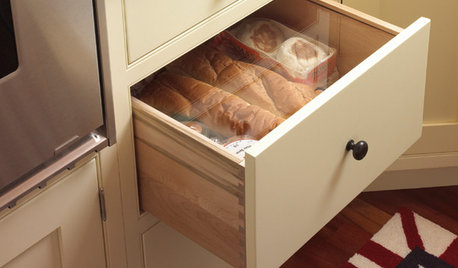
KITCHEN DESIGNKitchen Ideas for Bread Lovers
Any way you slice it, a kitchen designed with bread in mind conveys warmth and homeyness
Full Story
DECORATING GUIDESDecorating 101: How to Start a Decorating Project
Before you grab that first paint chip, figure out your needs, your decorating style and what to get rid of
Full Story
LIFEThe Polite House: Do I Have to Display Decor Given to Me as a Gift?
Etiquette columnist Lizzie Post tackles the challenge of accepting and displaying home decor gifts from frequent visitors
Full Story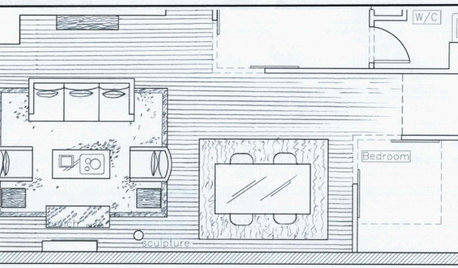
DECORATING GUIDES9 Planning Musts Before You Start a Makeover
Don’t buy even a single chair without measuring and mapping, and you’ll be sitting pretty when your new room is done
Full Story
ci_lantro