

The Art of Falconry (hunting with a hawk)
16 years ago


Sort by:Oldest
Comments (2)
Related Stories
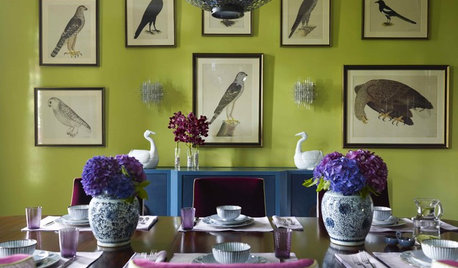
ACCESSORIESCollective Wisdom: Display Ideas for Collections of All Kinds
Show your interests without exposing clutter by going for artful arrangements with a unified feel
Full Story
DECORATING GUIDESOn Trend: Feather Decor Makes Rooms Soar
Bring lightness and a breath of nature to your walls and home decor with feather art, accessories and wall treatments
Full Story
LIFEEasy Green: Modern Homesteaders Stake a Claim
With more options for raising chickens, growing edibles and keeping bees than ever, suburban and city folk are rediscovering a lost art
Full Story
REMODELING GUIDESHouzz Tour: A Drive in the Country Ends in a Remodel
A couple out for a spin find a cottage with untapped potential. Their redo highlights lovely views and midcentury charm
Full Story
VALENTINE’S DAYTell Us: Why Did You Fall in Love With Your House?
What was it about your house that made your heart flutter? Share your photo, and it could make the Houzz homepage
Full Story
WINTER GARDENINGPruning Secrets for Exquisite Roses
Encourage gorgeous blooms year after year with this time-tested advice on how to prune your rosebush in winter for health and shape
Full Story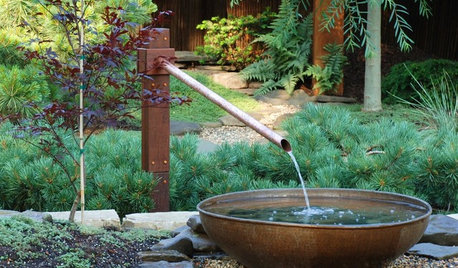
LANDSCAPE DESIGNBeautiful Noise: How to Create a Symphony in Your Garden
Take your surroundings to another level by introducing the element of sound with ground covers, water features and wind catchers
Full Story
SUMMER GARDENINGHouzz Call: Please Show Us Your Summer Garden!
Share pictures of your home and yard this summer — we’d love to feature them in an upcoming story
Full Story
COMMUNITYGet a Bird's-Eye View of America's Housing Patterns
See the big picture of how suburban developments are changing the country's landscape, with aerial photos and ideas for the future
Full Story
FUN HOUZZ6 Reasons Every House Needs a Cat
Everyone should have a feline fixture as part of their home decor. Here's why
Full StorySponsored
User
kit_813
Related Discussions
new: fotess september, johnny appleseed
Q
6 Red Tail Hawks Decimating Local Wildlife!
Q
What is your favorite raptor?
Q
Finally ready to fix wall color. Please help me coordinate.
Q