

how to get rid of grackles and starlings
17 years ago
Featured Answer
Sort by:Oldest
Comments (8)
 17 years ago
Related Discussions
Grackles or Mosquito Fish Eating Tadpoles??
Comments (16)Hi Lisa, Thats an amazing story about the grackles! Though, it doesnt surprise me much because Ive seen similar smart behavior from them and from Curve-billed Thrashers. Both of them seem to be very smart birds. Thereve been studies on crows that show they make tools, make plans to figure out problems, and so on. IIRC, they were at least around 3-4 year old human level in thinking. Most humans would be surprised by that! Especially my mother-in-law-to-be whom called grackles "junk birds" which I found shocking as a concept. I understand the worry over native vs. exotic species But "junk"?! When I first saw the flock of grackles last year, it was like the Hitchcock movie The Birds! There were suddenly two decent sized trees totally black with grackles and they were all squawking about something. I thought it might be a baby, went out to see, and though most of them flew to a safer distance, a few did stay to see what I was doing. I didnt find a baby but they left shortly after with me none-the-wiser to what they were going on about :P I just want you to know, Im not anti-grackle. I love all creatures, though I did kill a couple of Black Widows last year, I usually move insects that scare me :) Either that or encourage them to go elsewhere. When we had a HUGE ants nest in our walkway, (the giant black ants that bite), I started putting sunflower seeds down so the doves would keep the area busy. The ants soon moved, taking some sunflower seeds with them! Id read to pour boiling water down the hole but thats just horrible to me. Anyway, most of our tadpoles are gone, so Im not going to net the pond. Since the grackles bully the other birds we got some big bowls and put them on the other side of the yard and moved our birdbaths into the shade over there, too. The other birds have found them and seem grateful. The weather here is *so* harsh, and with drought even worse. There really is a desperate need for water. It would be nice if it didnt draw *every* cat within 10 block radius since they sometimes kill birds. Its so heartbreaking :( But since we have the shadiest yard with the most water for at least a one-mile radius, we probably get the worst of it. Totally off topic, but now thinking about it, before we took in our cat that was abandoned (in the desert! in the summer! ugh humans!) the cat situation was a lot worse. He is *completely crazy* and tries our patience to the absolute limit, daily, and now has to be kept in until after sunset because he was killing birds Probably because he cant get over being abandoned and starving. He will fight any cat over his "territory," even our other semi-feral cat we found here years ago. This drives us mad, but maybe his craziness has paid off for us in the other cats killing birds area as weve had fewer cats hanging around probably not wanting to deal with him! Take care, -A...See Morehow to get rid of a skunk
Comments (12)I am intrigued by your ideas and wish to subscribe to your news letter. I also have a few questions. I have three crows that eat my nectarines. Should I too considering discharging fire arms within city limits? ==================================================== >>>>> That's tricky. With nectarines growing in trees - that would certainly be a problem for your nearby apartment friends and neighbors. Shooting at the crows (and missing them)could very well be a fast road to some pretty bad trouble. Please do not shoot wildly into the air. If they are eating the fruit off the ground at night - then you can get some good shots in (without worrying the neighbors) ============================================= Keep in mind, I have three crows but only one bullet and I'm on a budget. ========================================= >>>>>> I do think you DO have additional bullets; they are not expensive as you well know. ======================================== Should I use my one bullet to hold up a liquor store so I can afford more bullets? ================================= >>>>> That's a bit extreme....and probably just a silly line that you made up. No one would do something as foolish as that. Bullets are inexpensive and reasonably available. Bird problems are definitely more difficult to solve than ground animals for this distinct and clear reason of neighborhood safety. Strong netting would likely be your best alternative to protect your fruit trees from the annoying birds (Crows, Blue Jays, Starlings.....). The nets will allow rain & sunshine in to help the fruit develop and ripen; while offering an obstacle that most birds will avoid after a few tries. Hoping you have a healthy harvest ! Best of Luck !...See Moregrackles....aaaarrrrgggghhhh!!!
Comments (6)Grackles, starlings, sparrows and the occasional pigeon. I've lived here in IL my entire life. For those short 17 months we lived in TN, I never even saw a grackle, starling, pigeon or a sparrow down there (in my yard). Now, back in IL, I see sparrows. Tons and tons of sparrows. I haven't seen any grackles yet this year. Maybe because last spring I put up a couple feeders, but I had nothing but sparrows show up. I'm not feeding the sparrows. I know at our previous house up here (before the move to TN), I had grackles. The only way I could get rid of them was to quit putting any food in the feeders. I would quit for about a month. Bad part is, this is when the birds most need our help, according to what I've read anyway. Right now my yard is just beginning to try to become a wildlife habitat. Nothing is big, nothing has berries or seed yet. But again, I'm not going to feed the sparrows. Notice when there's sparrows, the grackles and the starlings all follow? When I had grackles and I bought the safflower, know what they did? They used their beak, emptying the feeders. You know the smaller tube feeders? They don't have much of a perch on them. I wonder if you bought a couple of them if that would help? Or just one to try it out? I'm not in a new subdivision, or even an old subdivision. I'm in one the older parts of town, but my neighbors don't get into gardening, let alone gardening for wildlife. I see nothing here, except the sparrows, some sort of big black bird and the pigeons. This year I have yet to see anything else. My guess is there's nothing to attract them here. Hopefully, when my plants get some size to them, that will all change. I didn't help much, but I share in your frustrations, Terry...See MoreStarlings and Sparrows.....hogging my feeders!
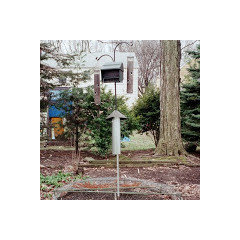
Comments (2)The only way I've found to keep them away is not to use any type of feeder they can access. No tray feeders and no hopper feeders big enough for them to perch on. I have a tube feeder and a mesh tube feeder for nyjer seed, a window feeder (too small for grackles and the like), and a Squirrel Buster Standard. The grackles come by once in awhile but there is nowhere for them to really get much of anything. Mostly they squawk their frustration and then I chase them off and I don't see them again for a few days. I saw one try to land on the squirrel buster - he sort of teetered there for a minute and then fell/flew off....See More- 17 years ago
- 17 years ago
- 17 years ago
 17 years ago
- 17 years ago
- 17 years ago
Related Stories
GARDENING FOR BUTTERFLIESA Quick-Start Guide to Bird-Watching for Fun and Learning
Set out some seed and grab your field guide. Bird-watching is an easy, entertaining and educational activity for the whole family
Full Story
GARDENING AND LANDSCAPINGBe a Citizen Scientist to Help Wildlife, Learn and Have Fun Too
Track butterflies, study birds, capture stars ... when you aid monitoring efforts, you’re lending Mother Nature a hand
Full Story
GARDENING FOR BIRDSWhat to Know About Birds Nesting in Your Yard
Learn how to observe, record data and help ornithologists with NestWatch’s citizen science project understand bird trends
Full Story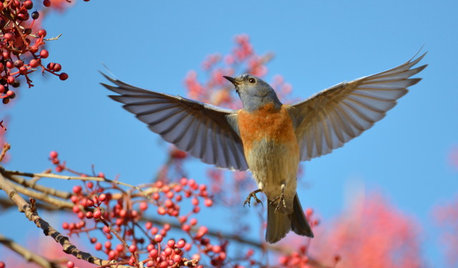
GARDENING GUIDESHow to Bring the Joy of Bluebirds to Your Garden
Attract these beautiful songbirds with nesting habitat and food sources, including berry-producing trees and shrubs
Full Story
GARDENING GUIDESGreat Garden Combo: 3 Wonderful Plants for a Deer-Resistant Screen
Protect your privacy and keep deer at bay with a planting trio that turns a problem garden area into a highlight
Full Story
GARDENING GUIDES13 North American Backyard Birds to Know
Find out about these enchanting native species and learn how to attract them to your yard
Full Story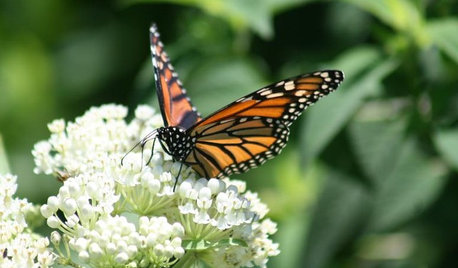
GARDENING GUIDES7 Ecofriendly Gardening Ideas That Also Cut Chore Time
Spend less time weeding, less money watering and more moments just sitting back and enjoying your healthy garden
Full Story
FRUIT TREESHow to Grow Your Own Persimmons
Sturdy and easy to care for, these trees offer bright fruit through winter — and keeping them in bounds is no sweat
Full Story
More Discussions
bunnieloverOriginal Author