

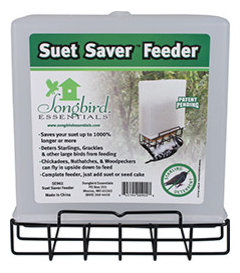
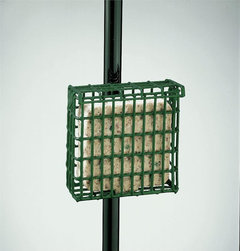
Starling resistant suet feeders
17 years ago
Featured Answer
Sort by:Oldest
Comments (12)
 17 years ago
- 17 years ago
Related Discussions
homemade upside down suet feeder.
Comments (1)i better bump this post so it will start down the list...See Moretaking over my suet feeders
Comments (4)Common Grackles and other grackles are natives and they have their fans. I happen to like them myself - they eat caterpillars that defoliate trees. I'm happy to give them suet if they'll stay around long enough to slurp up the winter moth and other caterpillars that are a curse in my region. Claire...See MoreCarolina Wren and Upside Down Suet feeder question
Comments (2)A Carolina Wren can eat from an upside down suet feeder. Some starlings can as well, it's not 100%, but nothing is. The caged suet feeders tend to block the red bellied woodpeckers, which is why I selected to use the upside down and feed a few starlings. It's only a few, not hordes, I can live with that. Maybe someone with more caged feeder experience can chime in about how effective they are. I'm pretty sure a Carolina wren could work it's way into your pantry and have at it if it took it in it's mind to do so. They get in everything....See Moresparrow/starling proofing suet feeder
Comments (8)I ended up removing the suet feeder today as the sparrows figured out how to get enough of a foothold to eat from it. I guess upside down feeders just don't work here either. Its rather frustrating to look out into your yard to see all your nice feeders completely covered in house sparrows. So much so that I've almost quit feeding birds altogether a few times. I really do wish the neighbors would just quit feeding and putting out nestboxes for them. Woodpecker-feeders.com has one that they swear is starling resistant. Ive emailed the site owner and inquired if it is sparrow resistant as well, and I'm curious to hear what he says....See More- 17 years ago
- 17 years ago
- 17 years ago
- 17 years ago
 17 years ago
- 10 years ago
- 10 years ago
- 10 years ago
- 10 years ago
Related Stories
GARDENING FOR BUTTERFLIESA Quick-Start Guide to Bird-Watching for Fun and Learning
Set out some seed and grab your field guide. Bird-watching is an easy, entertaining and educational activity for the whole family
Full Story
GARDENING FOR BIRDSFeed the Birds: 6 Plants for Abundant Winter Berries
Be kind to your fair feathered friends during lean food times by planting a shrub or tree loaded with nutritious snacks
Full Story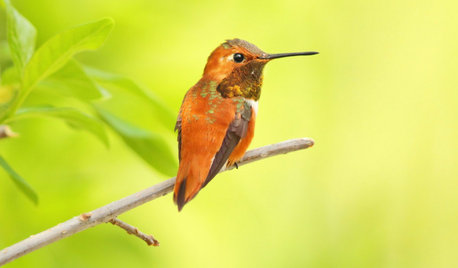
GARDENING GUIDESBackyard Birds: Invite Entertaining Hummingbirds Into Your Garden
Hummingbirds — unique to the Americas — zip through open landscapes seasonally or year-round. Here’s how to attract them
Full Story
GARDENING AND LANDSCAPINGBe a Citizen Scientist to Help Wildlife, Learn and Have Fun Too
Track butterflies, study birds, capture stars ... when you aid monitoring efforts, you’re lending Mother Nature a hand
Full Story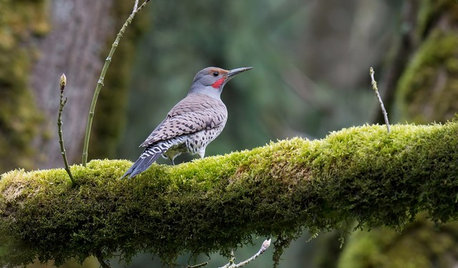
GARDENING GUIDESBackyard Birds: Healthy Home Habitats for Northern Flickers
These colorful woodpeckers found across the U.S. and Canada love berries, seeds and ants and often nest in deep burrows in trees
Full Story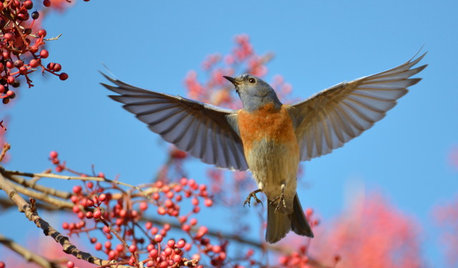
GARDENING GUIDESHow to Bring the Joy of Bluebirds to Your Garden
Attract these beautiful songbirds with nesting habitat and food sources, including berry-producing trees and shrubs
Full Story
GARDENING FOR BIRDSWild Birds Transform a Woman’s Garden and Life
How Sharon Sorenson created a wildlife haven and became the Bird Lady of Southern Indiana
Full Story
GARDENING FOR BIRDSWhat to Know About Birds Nesting in Your Yard
Learn how to observe, record data and help ornithologists with NestWatch’s citizen science project understand bird trends
Full Story
GARDENING GUIDES13 North American Backyard Birds to Know
Find out about these enchanting native species and learn how to attract them to your yard
Full Story
GARDENING GUIDESOh, Deer! 10 Native Flowers That Stand Up to the Herds
Keeping a garden amid hungry deer can be hard, but these plants should fare well
Full StorySponsored
More Discussions
Pat Z5or6 SEMich