

Helianthus maximiliani - Invasive?
17 years ago
Featured Answer
Sort by:Oldest
Comments (7)
 17 years ago
 17 years ago
Related Discussions
Helianthus 'Sunshine Daydream'
Comments (17)UPDATE: Last season TR made us aware of this wonderful helianthus and so I picked up a few of these plants this year. He later commented in another thread that SD has grown very large for him. Well given my limited space I was concerned but corresponding with the 'developer' of this perennial he did say that it can be successfully cut back significantly in June to get a much more reduced overall size (with of course blooms occurring much later). I am thinking that this particular specimen in my garden is a bit what he is describing. It is now coming into bloom at about 2 feet in height. It isnt a problem that it is flowering so late as I need more Autumn color....See Morewhat were your worst invasive experiences ...
Comments (33)You know all those spectacular tropicals y'all grow in pots? Elephant Ears are an absolute plague here in the Deep South. I paid eight whole dollars for Illustris, and it took five years of extremely dedicated work to get rid of it. I laid the dug out plants on my driveway and let them cook in the (southern) sun so they'd die....everytime it rained, they'd revive. I finally bagged them up and sent them to the dump. Then there are River fern, aka Thelypteris kunthii (free plants...do your homework before planting!), yellow flag iris (the seeds are viable forever, but the seedlings are easy to pull young. good thing.), Goldsturm rudbeckia (yes, they seed for years after the plants are gone), and OBEDIENT plant (ha!). Here's one that I am keeping a watchful eye on: Puple Loropetalum. If you damage a root while working in your bed, you get a sucker immediately. Man, I hope these aren't going to be problematic. They're my favorite purple foliage plants for our area....See MoreHelianthus / Sunchoke
Comments (5)You're going to have to be more specific, as there are dozens of species of Helianthus. Some are small and look more like black-eyed susan, while others grow quite tall but don't produce the characteristic tubers of sunchokes. True sunchokes grow approximately 6-8 ft tall in thick stands as the tubers multiply. I'd just dig some up this fall and see what the roots look like to be sure....See Morehelianthus strumosus
Comments (1)I think it spreads mainly by roots/rhizomes, so it will probably be well contained if you mow around it. However, it will probably overwhelm anything else within that patch that you might want to keep......See More 17 years ago
- 17 years ago
- 17 years ago
- 8 years ago
Related Stories
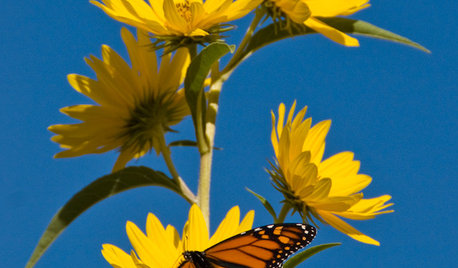
GARDENING GUIDESGreat Design Plant: Helianthus Maximiliani Attracts Beneficial Insects
Maximilian sunflower’s striking yellow flowers light up the fall landscape and attract pollinators and beneficial insects at a crucial time
Full Story
GARDENING GUIDESAttract Hummingbirds and Bees With These Beautiful Summer Flowers
Roll out a welcome mat for pollinators to keep your landscape in balance and thriving
Full Story
GARDENING FOR BUTTERFLIES7 Native Wildflowers to Make You an Awesome Butterfly Host
Offer the leaves of these and you’ll get more butterflies than with flower nectar alone
Full Story
GARDENING GUIDES10 Native Wildflowers With Unique Foliage
When the flowers fade, these leaves keep the garden looking good
Full Story
GARDENING GUIDES20 Favorite Flowers for Butterflies and Bouquets
Discover perennials and annuals that do double duty as butterfly magnets and versatile cut flowers
Full Story
GARDENING GUIDESTop 10 Native Plants for the Northeast
For a low-maintenance, wildlife-friendly landscape, use native plants adapted to the climate and range of soils in the Northeast
Full Story
GARDENING GUIDESGreat Lakes Gardener's September Checklist
Watching wildlife, gathering leaves and watching a rainbow of roses and asters are high priorities in Great Lakes gardens this month
Full Story0
FLOWERS AND PLANTSPanicum Virgatum, a Prairie Beauty Many Gardeners Can Enjoy
Switchgrass adds color through the year and is a natural ‘seed feeder’ for birds
Full Story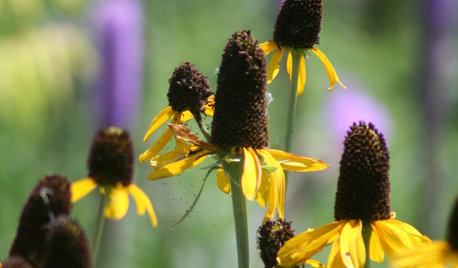
GARDENING FOR BUTTERFLIESGreat Design Plant: Giant Coneflower, a True Exclamation Point
Watch as towering stalks topped by yellow blossoms become a beacon for birds and insects in the midsummer garden
Full Story
GARDENING GUIDESGreat Design Plant: Comptonia Peregrina
Though not a fern, sweet fern sure smells sweet and thrives in tough spots where many shrubs and ferns cannot
Full StorySponsored
More Discussions
Skip1909