

'Sedges have edges and grasses have bumps'
21 years ago
Featured Answer
Sort by:Oldest
Comments (7)
 21 years ago
- 18 years ago
Related Discussions
nut grass/nut sedge help?
Comments (30)Kimm, up until the last two years - I would have agreed with you on the areas that nutsedge frequents. Here in the middle of the US it has become the biggest problem that we face daily. I have a very lush, green thick back yard and just this year it is becoming infested with nutsedge. Garden ditto, all neighbors - ditto. Every property we maintain has the problem to some degree now. Most gardens and landscapes unless thoroughly mulched 2-4" thick - ditto. Downtown Ditto. Farmers fields - some but not to the degree we are seeing in the city and semi rural areas. I don't like spraying chemicals, but only have two that knock it down for the season, and even then it seems to return the next year with a vengeance. I have noticed that in the last two years, the "nuts or tubers" as some cal them, are 5-10 times more plentiful than when we first started treating this pest 6 or 7 years ago. I'm at a loss. TiMo...See MoreHAVE: Bog/Water Arrum; Forgetmenot; Yellow/Blue Flag Ir.;sedg
Comments (0)I have the above things. when i say sedge - i think its valleseneria, sic. its like a thick submerged grass. please, look up my other posting where is write: Wanted: Cr. Jenny; Spearewort; Arrowhead; Louisianna/Japanese Iris; Monkeyflower; etc it has my email. i dont use the email i have in my profile thank you...See Moretrying to ID this grass / sedge
Comments (11)That's definitely not any liriope / lilyturf that I've ever seen. I don't know about the Star of Bethlehem. The photos at DavesGarden don't show any furriness on the blades. But maybe you should go look at the flowers and see. Here is a link that might be useful: Virginia Tech: 'Star-of-Bethlehem'...See Moredifference between grass and sedge?
Comments (5)Grasses have joints; sedges have edges. (There is a rhyme to support this!) There are other differences, but to the naked eye, the grass flowers have the herringbone pattern that looks like wheat, while the sedge, officially Carex, has only one bract and often separate male and female flowers. I usually notice the joints on the grasses first. The Carex genera have been increasingly popular in landscaping lately. I love C. plantaginea and C. platyphylla. The first one is normally found in moist areas, but it has done well for me in dry shade for several years, even in drought. Try it!...See More- 18 years ago
- 10 years ago
 10 years ago
- 10 years agolast modified: 10 years ago
Related Stories

DECORATING GUIDESWalls Have a Field Day With Grass Cloth
Rustic or refined, richly textured grass cloth provides a burst of natural freshness to your interior decorating
Full Story
CENTRAL PLAINS NATIVE PLANTS10 Top Grasses for the Central Plains
Low-maintenance grasses provide seasonal interest and wildlife habitat, and aid good design
Full Story
GRASSES10 Ways to Use Ornamental Grasses in the Landscape
These low-maintenance plants can add beauty, texture and privacy to any size garden
Full Story
GARDENING AND LANDSCAPINGOrnamental Grasses in the Landscape
Low-maintenance grasses add beauty and motion to the garden
Full Story
INSPIRING GARDENSInside Houzz: A Waterfront Property Ditches the Grass for a Garden
New drought-tolerant plantings and outdoor gathering spaces help this California backyard take in the view without wasting space or water
Full Story
PLANTING IDEASCreate High-Impact Container Gardens With Grasses
When it comes to adding drama, texture and panache to a pot, these strappy species are hard to beat
Full Story
LANDSCAPE DESIGNGet an Edge: The Best Border Material for Your Garden
Do you want garden edging made of stone, concrete, metal or wood? Here are things to consider when choosing
Full Story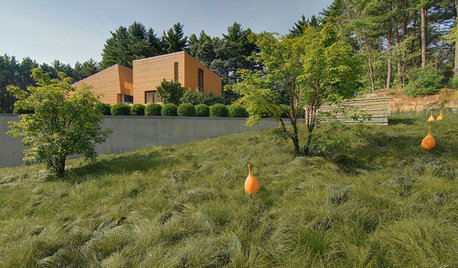
FLOWERS AND PLANTSCarex Pensylvanica Fills the Void in Dry Shade Gardens
Plant Pennsylvania sedge in eastern U.S. woodlands or dry shade gardens for spring flowers and softly textured bright green leaves
Full Story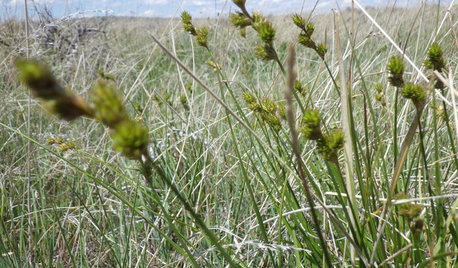
GARDENING GUIDESGreat Design Plant: Carex Brevior
This mounding sedge native to many U.S. states is tough as nails and can replace the traditional lawn in low-traffic areas
Full Story
GARDENING GUIDESGreat Design Plant: Carex Sprengelii
Fit for nearly any site, Sprengel’s sedge makes for a low-care, healthy garden
Full StorySponsored
wantonamara Z8 CenTex