

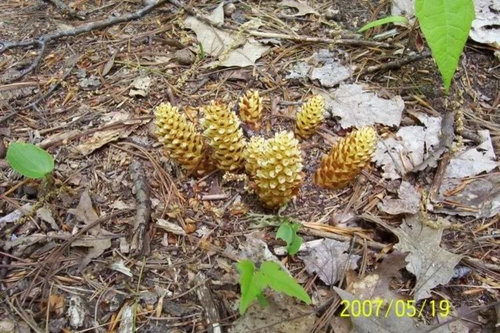
Fungus or plant? White pine-cone shaped
19 years ago
Featured Answer
Sort by:Oldest
Comments (6)
 19 years ago
 19 years ago
Related Discussions
Ever heard of 'Pine Cone Flower'?
Comments (8)Thanks to all of you for trying to help. The seed does not have that hard shiny coat like a centeaurea has, but is instead white and sort of papery with definite "angles" on the bullet shape - like an coneflower seed. I think Vera is probably right...the trader probably meant to write "pink" and wrote "Pine" instead. I am going to WS them and we'll see!!! Thanks again! Nancy...See MorePreventing White Pine Weevil on young eastern white pine
Comments (11)sounds like a lot of worry for something that may never happen .... especially prophylactic chemical use ... in my z5 MI .... near the OH border ... white pine grow 3 to 5 feet per year,once established .... re-leader extremely quickly ... and are basically weed trees ... in the sense that you cant beat them back with a stick ... once they get going .... some of your presumptions MIGHT be wrong ... the fact that it is in the wide open.. suggests not just your conclusion.. but the conclusion that the odds of any given bug finding it low ... and that you will be able to ladder up the thing for 10 years ... i would bet on MAYBE 3 years ... since you wont be putting a ladder up against fresh weak growth .... so.. i would wonder if all your worry is worth it .... also .. given their growth rate.. i hope you planted it a good 20 to 30 feet from your house .. they are not strong wooded ... and subject to shedding large parts in 20 or 30 years.. in harsh weather.. like winter ice storms and wind .... good luck ken...See MoreHELP! Giant old Eastern Pines have no cones
Comments (6)Thanks for all the info. I'm still not sure if I should be concerned with the brown tips coinciding with the lack of cones or if this is normal, too. There would be no way to spray these giants (nor can I inspect for bugs) but would some kind of conifer food help? There's been 2 years with big pinecone amounts that I know of, by the frequent gutter cleanings I have done in not quite 2 years I've lived here...neighbor's tree but over my gutters!!! Last year it was clogged with pine cones, this year, I've been out almost every rain storm unclogging the needles. And, yes, this is with gutter covers! Last winter, a little red squirrel piled all 8 trees with 2 foot high mounds of cones for his winter bounty and sat daily, munching and strewing the empty cobs about. I guess he'll find a new winter home. The birds did have a few pinenut frenzies but way up top and not for days and days like last fall. I'm also fighting a bit of lilac blight (again, her lilacs but half are over my property line and front half are under the pines) and at least licked it enough to get lots of new growth and a load of blooms this spring after no blooms the first spring I moved here. Could there be a connection considering they are close by? Can a lilac fungus effect a pine? Doesn't seem likely but I moved here from Brooklyn...what do I know??! I'm game to go with the idea they fluctuate production and keep an eye out. But any ideas how I can make sure to keep them healthy would be welcome....See MoreWeeping pine maintenance? Can seeds from cones be harvested this fall?
Comments (13)Before you contemplate any major maintenance...look at the taller trees there. Get a rough measurement of the height. Look up how much it would cost to buy a tree of that height and have it installed. The older trees are treasures that would take a lot of time or money to replace...and replacement trees that height would likely have inferior root systems to trees of that height that grew in place, and thus would be more vulnerable to drought and wind. Remember that when people start telling you to take trees down to fit in with the current fad. If you are growing trees from seed, no need to limit yourself to trees on your property. A walk through the woods or a deal with your botanic garden can yield a lot of seeds from a lot of interesting trees. I find white oak and hickory are the best bets...it's hard to transplant mature ones or find them for sale, but they are great trees that grow well from seed that is readily available. As far as general storm water maintenance...wisconsontom is the person to ask. Draw up a map showing North, the location of hills and seasonal swamps, the direction water flows, the prevailing wind direction, and any unsightly views. It's nice to have all of this information in one place when you are making plans....See More- 17 years ago
- 17 years ago
- 17 years ago
Related Stories
Pine Cones: Not Just for Christmas
These natural treasures from the trees testify to Mother Nature's eye for great design
Full Story
CURB APPEALCrazy for Colorful Cones: 5 Container Plantings Beyond the Bowl
Give even a small garden an exuberant vibe with hanging cones overflowing with blooming beauties
Full Story
GARDENING GUIDESGreat Design Plant: Louie Eastern White Pine
This stunning golden conifer will bring a smile to your face and add a ray of sunshine to your winter garden
Full Story
TREESGreat Design Plant: Pinyon Pine
You might just go nuts for this tough evergreen native to the Western U.S.
Full Story
GARDENING GUIDESGreat Design Plant: Rocky Mountain Bristlecone Pine
Try this drought-tolerant small evergreen for its sculptural beauty and slow-growing nature
Full Story
GARDENING GUIDESGreat Design Plant: Picea Glauca
Its sculptural form and evergreen foliage provide year-round beauty and wildlife shelter. Its cones offer important winter songbird food
Full Story
GARDENING GUIDESGreat Design Plant: Pinus Thunbergii ‘Thunderhead’
Thunderhead pine adds year-round strength and structure to the garden
Full Story
GARDENING GUIDESPacific Northwest Gardener: What to Do in June
Now's the time to prune pines and vines, prevent pests and buy June-blooming plants to keep your garden healthy and beautiful
Full Story
GARDENING GUIDESGreat Design Plant: Ribes Malvaceum
Plant pink chaparral currant for graceful winter tassels and an excuse to make black currant tarts
Full Story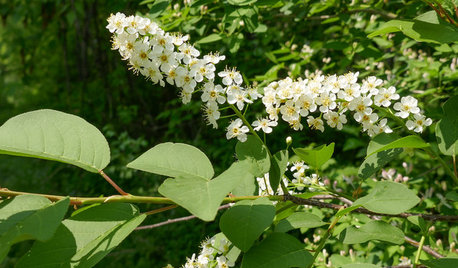
GARDENING GUIDESPrunus Virginiana Thrives Under Deciduous Trees
Plant chokecherry for showy white flowers favored by native bees in spring, and to provide nesting habitat and food for birds
Full Story
More Discussions
HU-274017124