

Drosophila — fruit flies!
17 days ago
last modified: 17 days ago
Featured Answer
Sort by:Oldest
Comments (27)
Related Discussions
how to keep fruit flies and ants away from ripening grapes
Comments (8)I have used and seen how coffee grounds under and around all your grape plants should keep them away . Boric acid also works well to rid oneself of ants . Spread across their path and they bring back to the nest . I need to learn how to rid myself of normal sized flies with some gold on them from eating my ripening red seedless grapes...See MoreSpotted Wing Drosophila and fruiting times
Comments (20)Yes, I was surprised by the extent and duration of the control effect! I had read that S feltiae was known (in the commercial literature) as a predator for Drosophila. But such extensive suppression of SWD and for multiple years?? In considering the question of why Sf was working so well, I came across the literature on the IPM double-barreled "attract-and-kill" strategy for SWD, sometimes pairing chemical and biological products to stop the SWD reproductive process. And it occurred to me that after Sf application, the fruiting raspberries offer an intergenerational “attract-and-kill” method in which SWD breeding adults are attracted to deposit their eggs in the ripening berries. Then the next-generation SWD larvae which fall to the ground are parasitized by the beneficial nematodes. And the Sf reproduction #'s are amazing - thousands of Sf larvae for each parasitized SWD larva. The protection of nearby untreated fruits, in my case blueberries and figs, was also a surprise, albeit a pleasant one. But if raspberries serve as a SWD "magnet" for feeding, maybe Sf can knock back the infestation levels for other fruit crops which don't reproduce on the ground! That is a pretty exciting hypothesis, but just a hypothesis from a single case study. So as you note, we definitely need more field trials to generate knowledge about the roles Sf can play in SWD control. And that should be a great opportunity for interested home gardeners....See MoreFruit Flies
Comments (3)I've read about it with some interest but can't offer you any other comments. Have you posted about this in the Fruits and Orchards Forum here in the GardenWeb? Many of those fellas poopoo organic solutions, but they may have heard of this and tried it. I'll bet that it's good a pretty price on it, considering that it's manufactured by Dowagro. I just saw it advertised in a agricultural co-op at $200.00 a gallon. You might want to check with any local co-ops, or feed and seed type places to see if they carry it and if it's marketed in retail sized containers....See MoreI am having fruit flies!
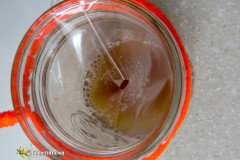
Comments (7)Fruit fly trivia (and how to trap them in bold): Up until about the 18th century, people believed in a phenomenon called spontaneous generation. The idea of spontaneous generation was that all kinds of creatures, including mice and various insects such as fruit flies, were spontaneously spawned from inorganic matter. Dirty underwear, rotting meat, and other foul materials where thought to mysteriously produce these animals. When it comes to fruit flies in our homes, the idea of spontaneous generation seems to be in play. Fruit flies seem to magically appear around fruit and other foods quickly and without fail in an otherwise insect-free kitchen. Of course, modern science has proven that spontaneous generation is impossible, so the question remains; where do fruit flies come from? Fruit flies are tiny winged insects that boast a meager length of 0.2 inches (3mm). They are brownish in color, with striped bodies and relatively large red eyes. They are perfectly adept in smelling food from great distances. With their great sense of smell and tiny bodies, fruit flies can maneuver into your kitchen through window screens, door jams, or any other crack in your home. Occasionally, they may catch a ride in your grocery bags or hatch from eggs laid in less than fresh food brought home from a grocery store. A congregation of fruit flies can become a nuisance. Fruit flies feed on alcohol, which is produced when fruits and vegetables begin to ferment. The alcohol in wine, beer, and other alcoholic beverages is also appealing to fruit flies. Fruit flies not only feed on these foods, but also lay eggs in them that hatch into larvae in a matter of hours. In almost the blink of an eye, fruit flies can infest any kitchen. Removing the food source is the first step to eliminating fruit flies. Some non-food items, such as wet mops, dirty dishes, and old sponges, are able to support fruit flies, so be sure to clear these from your home as well. The remaining fruit flies can easily be trapped by constructing a paper funnel and placing it in a jar or bottle containing a small amount of wine, beer, or decaying fruit. The fruit flies will enter the funnel to reach their feast and will not be able to find their way out. Although fruit flies are a pesky nuisance to most people, these tiny insects have made a gigantic name for themselves in the field of science. Fruit flies, or Drosophilae, have been invaluable to the field of genetics. The short, ten-day life cycle of the fruit fly, its avid ability to reproduce, and its large chromosomes make the insect an ideal specimen for laboratory experiments in heredity. Fruit flies have also been a source of fuel for the creation vs. evolution debate. Creationists, who oppose the generally accepted theory of evolution, claim that the use of fruit flies in the laboratory, specifically the attempt to create new species of fruit flies through the mutation of chromosomes, has yielded no surviving results. Evolutionists rebuke the claim with the fact that fruit flies have too few chromosomes to provide an evolutionary advantage when manipulated. Basically, evolutionists hold that fruit flies are successful just as they are and have no reason to change....See More- 17 days ago
- 17 days agolast modified: 17 days ago
- 17 days agolast modified: 17 days ago
- 17 days ago
- 17 days agolast modified: 17 days ago
- 16 days ago
- 16 days agolast modified: 16 days ago
- 14 days ago
 14 days agolast modified: 14 days agopetalique thanked carolb_w_fl_coastal_9/10
- 14 days ago
- 14 days agolast modified: 14 days ago
- 22 hours agolast modified: 22 hours ago








Related Stories

MOST POPULARHow to Get Rid of Those Pesky Summer Fruit Flies
Learn what fruit flies are, how to prevent them and how to get rid of them in your home
Full Story
EDIBLE GARDENSHow to Grow Your Own Peaches and Nectarines
Make gardening a little sweeter with these juicy fruits, which you can eat after plucking or preserve for later
Full Story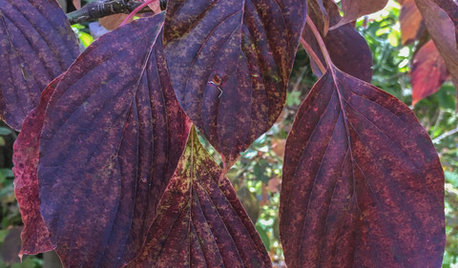
SHRUBSTry This Plant for Autumn Color in the Woodland Garden
Alternateleaf dogwood, or Cornus alternifolia, offers a colorful show of creamy spring flowers, blue fruit in summer and maroon fall foliage
Full Story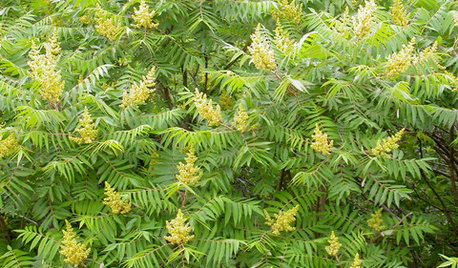
GARDENING GUIDES8 Essential Shrubs for Wildlife in the Great Lakes and Midwest
These beautiful native shrubs provide pollen and nectar for bees, and fruit and insects for birds
Full Story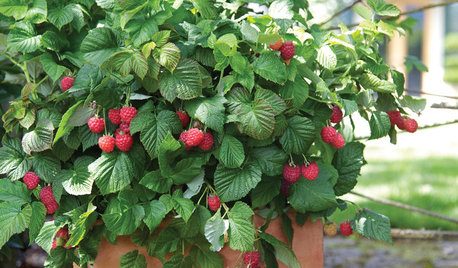
CONTAINER GARDENSPatio-Perfect Berry Bushes Like You’ve Never Seen
Small enough for pots but offering abundant fruit, these remarkable bred berries are a boon for gardeners short on space
Full Story
SUMMER GARDENINGHow to Grow Basil
Bright color, quick growth and endless uses for cooking make this summer annual a winner in the garden or a pot
Full Story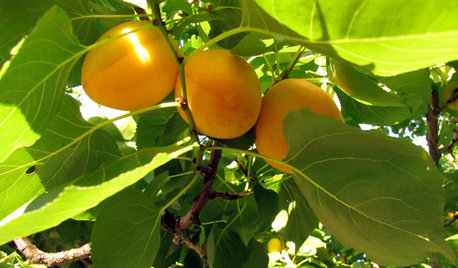
EDIBLE GARDENSHow to Grow Your Own Apricots
Velvety fruit, pretty blossoms and interesting bark make apricot trees a delight — and they’re great for smaller gardens
Full Story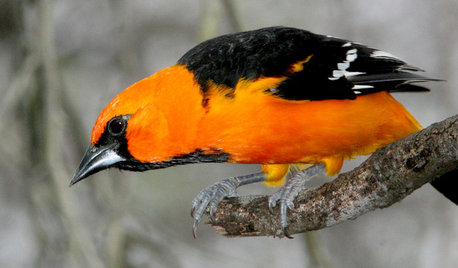
GARDENING GUIDESBackyard Birds: Orioles Return After Spending Winter in the Tropics
These colorful songbirds prefer woodlands and forest edges, but they’ll visit yards with fruit-producing trees and shrubs
Full Story
GARDENING GUIDESHow to Keep Your Citrus Trees Well Fed and Healthy
Ripe for some citrus fertilizer know-how? This mini guide will help your lemon, orange and grapefruit trees flourish
Full Story
GARDENING 101How to Grow Tomatoes in Pots
Don’t have much space for a garden? All you need is a sunny spot and a large container to grow this favorite summer crop
Full Story

OllieJane