

Mylar bags for food storage?
last year
Featured Answer
Sort by:Oldest
Comments (34)
 last year
 last year
Related Discussions
Another food storage question for you folks
Comments (7)Try this--it's what I always do with crusty Italian rolls. I leave them in the brown paper bag that the bakery uses for them, and I put the whole thing (rolls and brown paper bag) into a plastic grocery bag and tie it shut. It's the best of both worlds, I find. The brown bag absorbs any excess moisture, so your rolls don't get soggy, the plastic one keeps out the air that makes them go stale. I've found that the fresh rolls I buy at the local place (and I do mean fresh, you catch them, juggling the firey hot rolls, as they come off the conveyer belt from the oven--can't get fresher than that) fresh for days, but in brown paper, they last only one day....See MoreHome Food Storage
Comments (18)caavonldy- That's a great plan... It took me 18-months to get a full year of food in storage on a $200/month food budget, plus I have 3-years worth of the "Seven Survival Foods". Now my food budget is $125/month, so that's one of the benefits from having home food storage (this amount is for two adults). I talked with my best friend about this very subject just last night because she's diabetic and very carb sensitive and can't eat soy either. These are sources of protein I have in storage. You probably already have many of them. 1. Protein powders, especially whey protein. Whey has the highest BV (Biological Value) and you will assimilate more protein from whey than any other source of protein. The next highest are eggs, then beef, chicken, fish and legumes - on down the scale. 2. Powdered whole eggs. I get mine from Honeyville Grain in #10 cans. When powdered eggs are less expensive per egg than shell eggs I use powdered eggs. About the only shell eggs I use these days are when the store sends me a coupon for a dozen eggs - free. There are approximately 80-90 eggs per #10 can. I love powdered eggs when I want to make 6-muffins and I need 1/2 an egg. Many foods we make don't need a whole egg, so using 1/2 an egg in pancakes, for instance, it also saves some money. 3. If you have a pressure canner you can home-can all kinds of meat. (see link below) 4. Canned meat from the store. When I was a child back in the mid-50's we had a refrigerator that had a freezer about 12-inches square, and for a family of 6 who only got groceries once-a-month, there wasn't enough room for much meat in it, so mom served all kinds of canned salmon, tuna, Chicken A la King, Spam, Ham Spread, Chunk Ham, Roast Beef, Chicken, Dried Beef for you-know-what on a shingle....;-) I remember whole stewed chickens coming in cans and made wonderful chicken noodle soup. Now I make White Chili with a 10-oz. can of chicken, can of white beans (or home-cooked beans), cup of water and some McCormick White Chicken Chili Seasoning Mix - all are pantry foods. I have many of those same foods in storage and most of them have very long storage times. When you start looking at the store you'll find a good assortment of meat in cans. I even have Yoder Bacon in cans. 5. Most expensive... Freeze-dried meats which reconstitute in a few minutes in hot water. I have freeze-dried ground beef, sausage crumbles, white turkey, chicken, beef roast, and diced ham (I've also noticed freeze-dried shrimp and pork chops recently...). Check Mountain House, Emergency Essentials, Honeyville Grain, Nitro-Pak, Augason Farms. There is freeze-dried cheese and cheese powder in storage. Shredded Colby or Mozzarella will rehydrate in a few minutes in warm water and will feel, taste, and melt just like freshly-grated cheese. 6. I also keep Vital Wheat Gluten in #10 cans in storage to use as a meat extender or meat substitute and make "wheat meat" (aka fake meat, seitan or gluten) with it. There is nearly as much protein in ground "wheat meat" as there is in ground beef. I mix it 50/50 with any kind of ground meat I'm using to get more protein for my money - I also cut fat and cholesterol. I can make this from whole wheat flour, but it's easier to make it from Vital Wheat Gluten. Ground gluten can also be used as a high-protein granola-like "cereal". For more information: "The Amazing Wheat Book" by LeArta Moulton or http://www.livingwithbasics.com/documents/awb-recipes/pdf/wheatgluten.pdf 7. Lesser amounts of protein from powdered milk, peanut butter, beans/seeds/grains/nuts. The bulk of the milk in storage is a whey-based milk substitute - Morning Moo's - www.augasonfarms.com. And I also use another non-fat dry milk product - Country Cream - http://www.grandmascountryfoods.com/ Morning Moo's is less expensive and makes 22-quarts per #10 can while Country Cream makes 20-quarts. Both of these milk products come in bulk amounts for a real savings on milk if you are going to use it on a regular basis, or for storage - #10 cans. Both taste as good as regular store bought milk. We only use powdered milk. Good luck. -Grainlady Here is a link that might be useful: National Center for Home Food Preservation...See Morestorage of 50lb bags of dog food
Comments (57)I have two portuguese water dogs (male and female) and use a Rubbermade dog bin purchased from Petsmart. The male eats from a bowl. The female is picky about where she eats and is currently on bowl-embargo. If I put food in her bowl she'll loudly protest and stand over it bark bark barking. Ditto for a plate. If you put it directly on the tile, she's fine. At some point she'll decide the bowl is okay again. The last time she went on bowl embargo she preferred to have her kibble on a placemat. It's probably some form of alpha-dog-logic and she's testing me. Hubs thinks it's because she's crazy. My dogs are counter-surfing-food-crazed beasts. They'll sometimes even swipe napkins from your lap while dining. They ate a whole watermelon...rind included. Couldn't pry it from their mouths. They eat everything. We're on friendly terms with Animal Poison Control and our vet calls them The Indestructibles. In the new kitchen remodel, I'd like to incorporate food storage in a drawer like someone else upstream mentioned. Funny how two furry clowns can dictate so many kitchen and home decor decisions ( dog friendly materials, etc) without voicing a single suggestion. Laughing over all the stories. Pets do make our lives interesting....See MoreLooking for some bulk food storage ideas
Comments (6)I practice home food storage, including hundreds and hundreds of pounds of grains/seeds/beans. I vacuum-seal dry goods in canning jars using a FoodSaver vacuum sealer and the jar attachment, and store them on shelves in the food storage room in the basement. Wheat, and similar grains purchased in large quantities are vacuum-sealed in FoodSaver bags in 5-pound amounts and stored in the basement on steel shelves in plastic storage containers (with a flat flip-top lid). Storing dry goods in mylar bags is also a good method since it's oxygen-free. The oxygen-free (vacuum-sealed) method insures you don't get an infestation of insects, and it also insures much longer storage time. You can also use canning jars with oxygen absorbers if you don't have a FoodSaver. You need to avoid 5 things with bulk food storage: 1. Heat 2. Light 3. Moisture 4. Oxygen 5. Insect Infestation Having practiced food storage since the 1980's and incorporating vacuum-sealing using jars and bags, I've never had an insect infestation. ***It is suggested to avoid recycled plastic pails that may have had anything containing fat in it (like the pails that had icing in them). The fat can't always be removed because it bonds with the plastic. During storage the bonded fat can become rancid and affect the stored items in the pail. There isn't a degreaser that can remove the fat that has bonded to the plastic. As already mentioned, there are lidded food storage containers of a wide variety of sizes and shapes from restaurant supply stores. I've tried many of them, but always went back to glass canning jars. I much prefer glass over plastic. Plastic will absorb odors, and fats from foods will bond with the plastic. When I move a canning jar of food from the food storage room to the kitchen it goes into the pantry and onto a wire shelf. I have my shelves placed so I load a 1/2-gallon or quart jar onto them on the jar's side so the top/lid is showing. The regular canning lid (which was vacuum-sealed) has been replaced with a canning lid that has been spray-painted with chalkboard paint and a canning ring. Using chalk (I actually like to use Bistro Liquid Chalk Markers in bright colors on the chalkboard lids) I write the contents of the jar, and any other information I might want. Using the horizontal storage method for canning jars takes up a lot less space than storing them upright, and you don't have them 2 or 3 jars deep on a shelf. You can quickly identify what's in the jar because the lid is showing. I can also vacuum-seal chalkboard lids to the jars, if necessary....See More last year
- last year
- last yearlast modified: last year
 last year
 last year
 last yearlast modified: last year
- last yearlast modified: last year
- last yearlast modified: last year
 last yearlast modified: last year
- last yearlast modified: last year
- last year
- last year
- last yearlast modified: last year
- last year
- last yearlast modified: last year
- last year
- last year
- last year
- last year
 last year
- last year
- last year
- last year
 last yearlast modified: last year
- last yearlast modified: last year
- last year
Related Stories

KITCHEN STORAGESmart Storage Ideas for Organizing Food Containers
Dividers, rollouts and corner systems can help corral containers and lids and maximize kitchen cabinet space
Full Story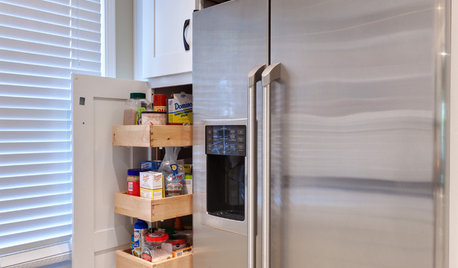
KITCHEN STORAGEPantry Placement: How to Find the Sweet Spot for Food Storage
Maybe it's a walk-in. Maybe it's cabinets flanking the fridge. We help you figure out the best kitchen pantry type and location for you
Full Story
MOVINGA Guide to Self-Storage: Is a Mini Storage Unit Right for You?
We unpack the choices and costs involved in renting a place to stash extra stuff
Full Story
INSIDE HOUZZInside Houzz: A Walnut Wall of Storage Opens Up a Kitchen
A 30-foot wall of storage frees up cooking areas and counters for food prep and entertaining
Full Story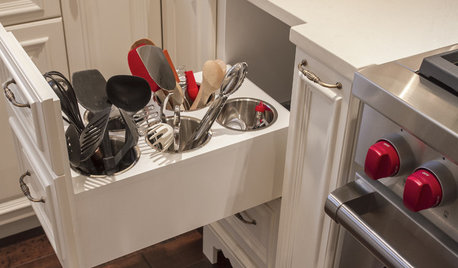
MOST POPULARThe 15 Most Popular Kitchen Storage Ideas on Houzz
Solve common kitchen dilemmas in style with custom and ready-made organizers, drawers, shelves and more
Full Story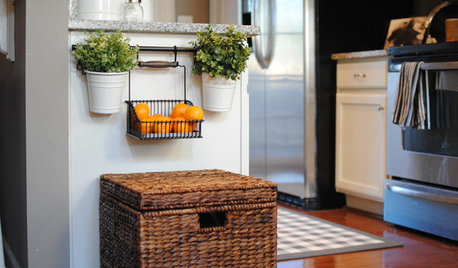
KITCHEN STORAGESmart Storage for Fresh, Tempting Produce
Keep fruits and veggies in easy reach with baskets, refrigerated drawers and cabinet pullouts, to stay healthy all winter long
Full Story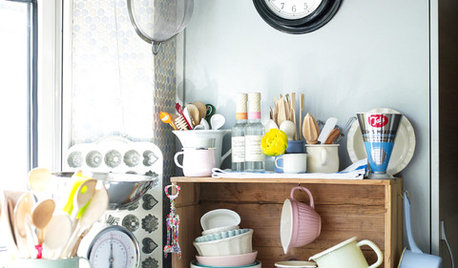
KITCHEN STORAGEKitchen Storage Hacks to Make Use of Every Space
Cupboards full? Try these kitchen ideas for working more valuable storage into your cooking space
Full Story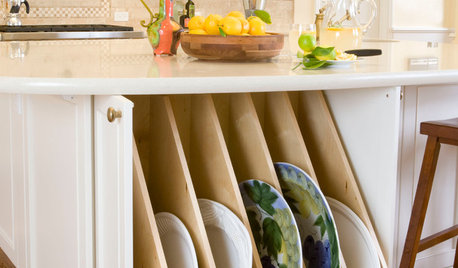
KITCHEN DESIGNKitchen Confidential: Amp Up Your Storage With Pullouts
See 12 types of cabinet pullouts that make your cooking and cleaning items easier to find and use
Full Story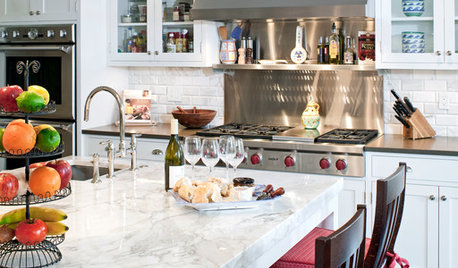
HOUSEKEEPING9 Kitchen Organizing Tips to Help You Waste Less Food
Follow these simple steps to maximize your budget and turn your good intentions into good habits
Full Story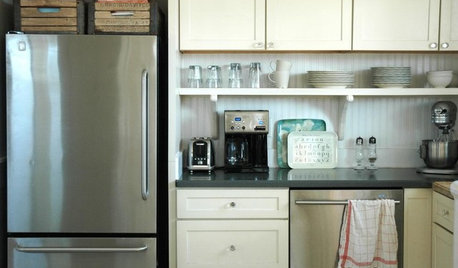
KITCHEN DESIGNTrick Out Your Kitchen Backsplash for Storage and More
Free up countertop space and keep often-used items handy by making your backsplash more resourceful
Full Story
outpaientzero