

Bringing Nature Home
3 years ago
last modified: 2 years ago
Featured Answer
Sort by:Oldest
Comments (247)
- 2 years ago
- 2 years ago
Related Discussions
Using Native plants in our gardens
Comments (17)Sandy: Wonderful pictures. It's interesting to me that the Little Yellow, Phaon Crescent, and Dogface were all more strongly marked than ones I have seen. What time of year were those pictures taken? --- About those sterile cultivars: We have a tree around here, the Bradford Pear, that is a sterile import from China. However, it is also fragile. Branches fall off either in wind, or else in the spring when the branches are full of sap and flowers. We had one fall over in our yard (when the girls were outside ... yikes!). So, to remedy this, other sterile cultivars with improved strength were created to replace the Bradfords. BUT It turned out that the sterile cultivars could *cross-pollinate* the Bradford. The result is that Bradford hybrids are now escaping, and taking over, in the wild. Bummer, dude. (That's not a criticism of the Lantana; garden flowers are not much of a threat. Rather, I'm making a general observation about the quirks of sterility). Jeff...See MoreIs it berries or insects?
Comments (6)This book sounds fantastic. As I have become more involved with restoring native plants, creating a wildlife habitat, and learning about birds in particular, I realized that the primary food source for most birds in Spring-Summer-Fall is insects. Beneficial insects serve important purposes in the garden too. Most people are enchanted with birds and butterflies, but do they realize the chemicals they are dumping on their lawn or gardens are killing important food sources for birds and well as killing the birds and pollinators themselves?? Using native plants, gardening organically, and also creating natural or wild areas are critical. I let leaf litter, sticks and branches, and dead trees alone. I am planning to increase wild areas of native grasses and forbs. I have brush piles, and plan to grow many native vines. The thickets of vines, dead branches, and dense shrubbery in my yard are some of the most attractive areas for the birds. Not in the front yard, that is more cultivated(still full of native plants as well as non-natives, and leaves, compost, and pine straw for mulch). Most of this is in the large back yard. Some people think an overgrown area is messy-looking. To me, it is beautiful. It is the monocultures of chemical lawns, the overly manicured green meatball shrubs, and obsessively tidy gardens of non-native plants that look - well, not so beautiful....See MoreEcologically minded garden design without trees?
Comments (10)For a neater looking shrubs I picked up the viburnum nudum cultivars witherod and brandywine. They are still tiny but the foliage is nice and is still hanging on out there. It's a cultivar and maybe not as valuable to the wild gene pool, but it's native and supposedly will provide a lot of berries. I want to pick up Myrica pennsylvanica for a visible area too which is supposed to be flexible as far as soil, deer resistant, and can be sheared into a more formal shape if you want. I have a couple compact Ilex glabra shrubs for the front of the house, but they are kind of boring. Ilex verticillata is a nice option too. There's a land trust that does native plant sales which I plan to visit in the spring. Heres a list I made of what they offer that will work in different areas of my backyard, and I think would work in Maryland too. -Cercis canadensis Redbud 15-30' -Carpinus caroliniana American hornbeam 20'-30' -clethra alnifolia summersweet -Cornus amomum -Cornus florida 20-40' -Diospyros virginiana American persimmon 35-40' -Euonymus americanus -Hamamelis virginiana common witch hazel -Lindera Benzoin spicebush -Lyonia ligustrina Maleberry -Magnolia virginiana 10'-35' -Myrica pennsylvanica Northern bayberry 3-12' (Myrica cerifera would be perfect for Md too) -Nyssa sylvatica Blackgum tree 30-60' -physocarpus opulifolius -Sambucas canadensis -Sassafras albidum 35-50' -Staphylea trifolia bladdernut -Viburnum acerifolium maple leaf viburnum -Viburnum prunifolium Blackhaw Viburnum 10' - 20' tall, 8' - 12' wide Id consider serviceberry (amelanchiar spp.) Pawpaw (asimina triloba) , catalpa speciosa, and hazelnut Corylus americana as well, although pawpaw reportedly attracts flies, and catalpa attracts hordes of caterpillars....See MoreBringing Nature Home with the natives.
Comments (511)I think I see them all: boots and scary tools to tweedia. Nice, Jay. I know this rain is ever frustrating, but what you're showing looks great!...See More- 2 years ago
- 2 years agolast modified: 2 years ago
- 2 years ago
 2 years agolast modified: 2 years ago
- 2 years ago
- 2 years agolast modified: 2 years ago
 2 years ago
- 2 years ago
- 2 years ago
- 2 years ago
- 2 years ago
- last yearlast modified: last year
- last yearlast modified: last year
- last year
- last yearlast modified: last year
- last year
- last year
- last year
- last yearlast modified: last year
- last yearlast modified: last year
- last yearlast modified: last year
- last year
- last year
- last year
- last year
- last year
- last year
- last yearlast modified: last year
- last year
- last year
- last yearlast modified: last year
- last year
- last yearlast modified: last year
- last year
- last year
- last yearlast modified: last year
- last yearlast modified: last year
- last year
- last yearlast modified: last year
- last yearlast modified: last year
- last year
- last yearlast modified: last year
- last year
- last yearlast modified: last year
- last year
- last year
- last year



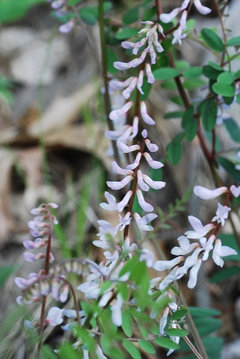
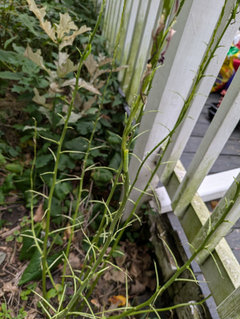
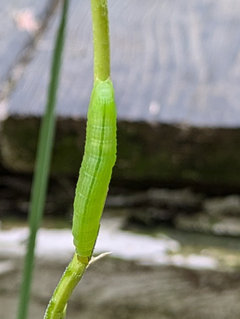
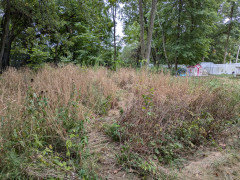
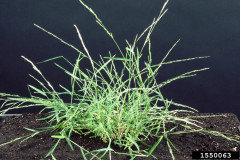
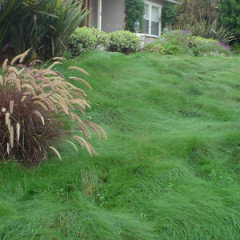









Related Stories
TASTEMAKERSBook to Know: 'Bringing Nature Home'
Florals, fruits and flowering branches lend natural luxury as botanical arrangements for the home
Full Story
DECORATING GUIDESBring Out Your Home’s Wild Side
Enjoy some creature comforts with these animal-inspired designs
Full Story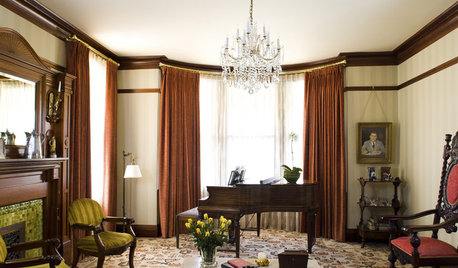
GREAT HOME PROJECTSHow to Bring Out Your Home’s Character With Trim
New project for a new year: Add moldings and baseboards to enhance architectural style and create visual interest
Full Story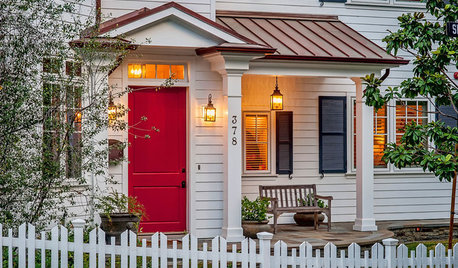
EXTERIORS10 Ways to Bring Charm to Your Home’s Exterior
Give your facade, driveway or garage doors a more appealing look to make a strong first impression
Full Story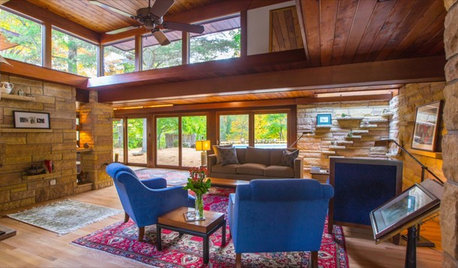
WOODHealthy Home: Wood and Stone Are Naturals in Home Design
Discover why this mix of earthy materials feels so right
Full Story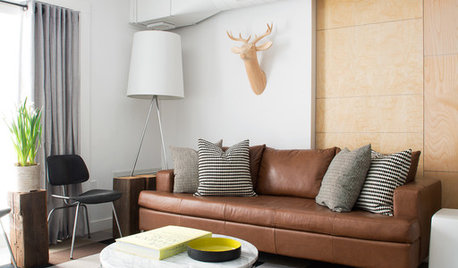
HOUZZ TOURSHouzz Tour: Nature Suggests a Toronto Home’s Palette
Birch forests and rocks inspire the colors and materials of a Canadian designer’s townhouse space
Full Story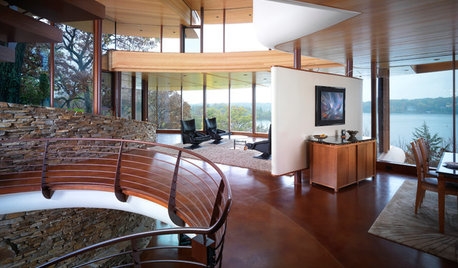
ARCHITECTUREFeel-Good Home: Curves Follow Nature’s Lead
See what happens when you leave straight lines behind
Full Story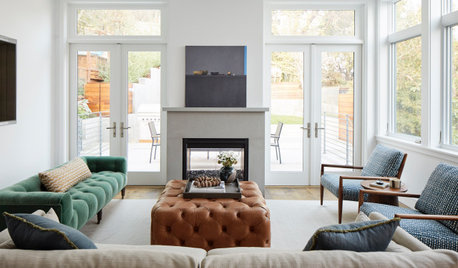
HOUZZ TOURSUpside-Down Plan Brings Light Into a Home’s Living Spaces
An architect raises the roof and adds a third-story addition to an Edwardian house in San Francisco
Full Story
ACCESSORIESOn Trend: Bring Spring Indoors With Nature-Inspired Furnishings
Energize your home with patterns, materials and colors borrowed from the outdoors, no matter what the weather is doing
Full StorySponsored
More Discussions
Jay 6a ChicagoOriginal Author