

Bringing Nature Home with the natives.
7 years ago
last modified: 7 years ago
Featured Answer
Sort by:Oldest
Comments (511)
- 7 years agolast modified: 7 years ago
Related Discussions
Why native plants matter
Comments (11)Many so-called "exotics" attract just as much wildlife and beneficials as do native plants. Quite a few of these are merely cultivated forms of indigenous or native plants that have been developed for enhanced attributes - disease resistance may be only one of these aspects. While there are many benefits to using natives in the landscape - greater adaptability to specific locations/climates being one - native plants can also be less than ideally attractive, often appearing somewhat weedy or unkempt. In certain neighborhoods governed by HOA's or covenants, the use of only natives may be discouraged or outright prohibited. It would probably make more sense to shoot for some sort of balance between natives and more exotic ornamentals. The exotics are not by definition considered bad or less desirable, provided one stays away from those that require excessive chemicals to maintain or that pose invasive potential. You will get the greatest benefit from any significant biodiversity in your plant selection regardless of origin and as rhodium has so astutely pointed out, avoiding all use of pesticides and other garden chemicals. And remember, if you restrict yourself to planting ONLY natives, you can pretty much kiss off much of anything in the way of common edibles or basic kitchen garden produce....See MoreBringing Back the Natives Tour 5/6/07 bay area
Comments (1)I wish I could have gone since I'm very interested in using native plants....See MoreThoughts From The Belly - March 2008
Comments (3)Thanks Dan, for another delightful "belly thought"! Tolerating a little herbivore browsing in your garden reminds me of what the folks at the Jack Daniels Distillery call the "Angel's Share". Your idea of amnesty for the insect world reminded me of this poem. ********* Familiar whine in my ear You settle on my forearm Prepare to pierce my skin with your proboscis I raise my hand to strike Wait! What if I let you complete the cycle? You might feed the songbird Who cheers my day. Your larvae might feed the minnow Who feeds the fingerling Who feeds the pike Who feeds me. You might be a meal For the brown bat Whose guano fertilizes Tomatoes for my salad. SMACK! But not today. by Deborah K. Frontiera...See Moredoes native planting intead of lawn bring ticks?????
Comments (8)It is not true that ticks live on animals, not plants. Ticks live in the environment and feed on animals, and then return to the environment to pupate. The larval stage, or the smallest ticks are no larger than the head of a pin, and they stay fairly low to the ground. They will climb to the end of a blade of grass, and quest for a host, usually mice or small mammals. They feed for a short time and drop off to use the protein from the bloodmeal to transform into nymphal ticks, slightly larger in size. The nymphs will climb a little higher to quest for a bloodmeal. They may end up on dogs, cats, or raccoons. After they fill, they drop off and overwinter until next year. As an adult (the next stage, about the size of a sesame seed)they will climb even higher in the weeds and grass to quest for one last blood meal to make and lay eggs. Adult ticks are usually found on white tailed deer, humans, dogs. After they fill, usually a few days, they will drop off and make eggs, and then die. Its important to remember not all ticks carry Lyme disease, and that there are other diseases ticks can carry. An adult female tick must usually feed for more than 2 days in order to transfer the bacteria that causes Lyme. If removed properly before she has had a chance to feed for more than 48 hours, the risk of Lyme is very low. There is a Tick Identification Service, part of the NYS dept of Health, that can ID any ticks you pull off your body. You can find them on the State website. Ticks are out there, and one ay to attempt to avoid them is to have a buffer zone between the active areas of your lawn and the woods, or weeds. Buffer zones are created by laying down 24 inch widths of gravel between the weeds, or woods, and your lawn. You an use wood chips if you prefer, but gravel or stone is great because it heats up in the sun, and ticks dont like to be dry. Wood chips can hold moisture during a wet year like this year. Other ways to avoid ticks are to do a body check every day, dont wear ripped clothing, tuck you pants into your socks, and wear light clothing so you can see them, and use the personal sprays that are approved to repel ticks. Remember, ticks do not jump, they quest by holding out their front legs and latching on to anything that passes by, then once they are on, they will crawl all over until they find a hole or gap in your clothing, like a ripped jean, above a sock, on your waist between your shirt and pants. You can also avoid them by avoiding brushing up to tall grasses, walking in the middle of paths when possible, and creating a buffer zone on your lawn. Children should also be taught to know what ticks look like, and notify an adult if they have one attached. The proper way to remove a tick is with tweezers. If you need more information, the New York State Health Dept website has a lot of good information....See More- 7 years agolast modified: 7 years ago
- 7 years agolast modified: 7 years ago
 7 years ago
- 7 years agolast modified: 7 years ago
- 7 years ago
- 7 years agolast modified: 7 years ago
- 7 years ago
- 7 years ago
- 7 years agolast modified: 7 years ago
 7 years ago
- 7 years ago
- 7 years ago
- 7 years ago
 7 years ago
- 7 years ago
- 7 years ago
- 7 years ago
- 7 years ago


Related Stories

TASTEMAKERSBook to Know: 'Bringing Nature Home'
Florals, fruits and flowering branches lend natural luxury as botanical arrangements for the home
Full Story
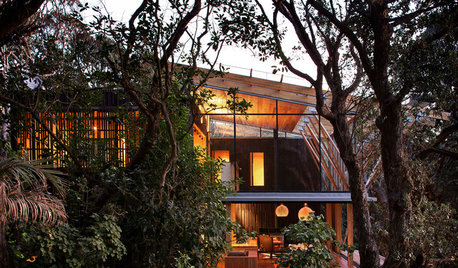
CONTEMPORARY HOMESHouzz Tour: Native Trees Are Part of This Home’s Design
A coastal New Zealand house is built to blend into a surrounding forest of pohutukawa trees
Full Story
DECORATING GUIDESBring Out Your Home’s Wild Side
Enjoy some creature comforts with these animal-inspired designs
Full Story
GREAT HOME PROJECTSHow to Bring Out Your Home’s Character With Trim
New project for a new year: Add moldings and baseboards to enhance architectural style and create visual interest
Full Story
EXTERIORS10 Ways to Bring Charm to Your Home’s Exterior
Give your facade, driveway or garage doors a more appealing look to make a strong first impression
Full Story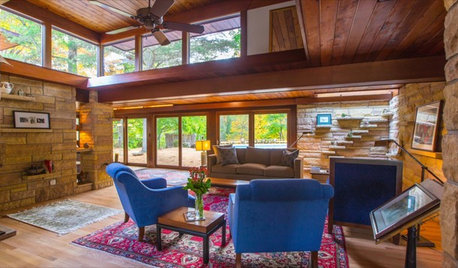
WOODHealthy Home: Wood and Stone Are Naturals in Home Design
Discover why this mix of earthy materials feels so right
Full Story
CABINSBring the Charm of a Rustic Cabin to Your Home
Get cozy this fall with glowing lanterns, natural wood elements and plenty of Americana style
Full Story
ACCESSORIESOn Trend: Bring Spring Indoors With Nature-Inspired Furnishings
Energize your home with patterns, materials and colors borrowed from the outdoors, no matter what the weather is doing
Full Story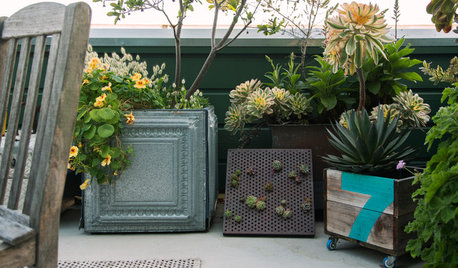
HOUZZ TOURSMy Houzz: See How a Garden Author Brings Nature to the City
Garden designer and author Baylor Chapman shows her love of nature in her San Francisco apartment and deck
Full StorySponsored

Columbus Design-Build, Kitchen & Bath Remodeling, Historic Renovations
Skip1909