

Low sugar/carb, low salt diet
3 years ago
Featured Answer
Sort by:Oldest
Comments (17)
- 3 years ago
Related Discussions
Low salt diet
Comments (10)-If you are under a doctor's care, I would check with them and possibly get with a nutritionists for some guidelines as well as all the great information shared here. -Do you have a sodium limit or is this a do-it-yourself project? The average American Diet often as much as 3,500 mg of sodium in it. There's a big difference in a low-sodium diet of 1,000 mg sodium per day and a restricted diet of 500 mg sodium, so you may want to understand the numbers to begin with. Our bodies need between 180 and 500 mg per day. It is an essential mineral and easy to get from whole fresh foods. Your drinking water may have as much as 30 mg of sodium per quart in it, as just one of those unexpected sources. -Make a trip to your local public library and check for low-sodium / low-salt cookbooks. -Choose recipes that have the nutritional information so you know how much sodium is in them, especially if you have to restrict your sodium to a specific amount. -Choose fresh and frozen whole foods over highly-processed prepared foods. -Put the salt shaker away. -If you normally use canned foods, like green beans, rather than buying the low-salt version (which I think you will find unpalatable in comparison), use something entirely different like frozen or fresh green beans instead. There are all kinds of tips and options that will make the switch to a low-sodium diet more pleasant. Good luck on your new diet challenge. -Grainlady...See MoreCookbook recommendations for low salt diets?
Comments (6)Grainlady's suggestion is a good one. You can explore the cookbooks without paying out any money and you may just discover that you really don't think they're worth investing in at all. I've been dealing with low sodium cooking for about three years now. I started a blog about it last year. If you go to my blog you'll find a section listing low sodium information websites. I'd definitely recommend Low Sodium Cooking.com and MegaHeart.com. http://www.lowsodiumcooking.com/ http://www.megaheart.com/ Both the websites also contain recipes, helpful information, and a free newsletter that you can sign up for. Also, both website authors have published low sodium cookbooks. You could make a point of looking for their books. Or just refer to their recipe sections. Grainlady hit on an important concept. Rather than trying new recipes, you can learn to adapt your favorite dishes and still produce tasty meals. Here is a link that might be useful: Low Sodium Cooking Blog...See MoreRECIPE: low-carb or no-carb recipes
Comments (3)I think I figured that a single Hershey's Kiss is 2.4 carbs and I'll have to check out those Russell Stover candies. Thanks, Linda. I've actually make some of the no carb chocolates posted on lowcarbfriends.com but the real stuff is soooo much better. And tell your friend to check out the health food bars. There are small, snack size chocolate bars with as little 2 net carbs. For dessert, I like the sugar free puddings. And I often mix up this one from The South Beach Diet. SOUTH BEACH RICOTTA CREMES 1/2 c. ricotta part-skim ricotta cheese 1/4 t. vanilla 1-2 pkts Splenda You can add cocoa for flavor or substitute almond extract and add some almond slivers. Teri...See MoreRECIPE: does anyone follow a low-carb vegetarian diet?
Comments (15)Be careful about low-carb high-protein diets. It may be okay to eat like that for a little while to lose some weight, but it is definitely not a healthy long-term diet. Carbohydrates are very important for cell activity throughout the body. The secret is to keep the blood sugar levels as steady as possible. If it is too high, the excess carbohydrates are turned into fat. If it gets too low, you won't be able to effectively burn any fat. "Good" carbs don't cause a quick raise in blood sugar levels. The glycemic index and glycemic load are definitely worth looking at. They give you a very good idea of which carbs to eat and which ones to avoid. For people who are not diabetic, I wouldn't recommend strictly counting all the carbs or indexes or calories. That would tke all the fun out of eating. Potatoes and whole wheat/grain pasta, brown rice and other not too refined products are very healthy and don't make you fat. They give you much more fiber than a high-protein diet will give you. The problem with eating too much protein is that the digestion of protein yields in large amounts of uric acid and the kidneys have to work hard to get rid of it. Animal proteins are worse than plant proteins. Too much uric acid in the blood can lead to gout. The recommendations for a well-balanced diet are 40% carbs, 40% protein and 20% fat in regards to the total calorie intake. 40-30-30 like RoxieL states above is close to that, but a little too high in fat. The daily recommended amount of fiber is 35 gram which is quite a lot. Most people, including vegetarians, get too much protein and fat, but not enough fiber. By the way, fiber is also a carbohydrate!...See More 3 years agolast modified: 3 years ago
- 3 years agolast modified: 3 years ago
- 3 years ago
- 3 years ago
- 3 years ago
- 3 years ago
- 3 years ago
- 3 years ago




Related Stories
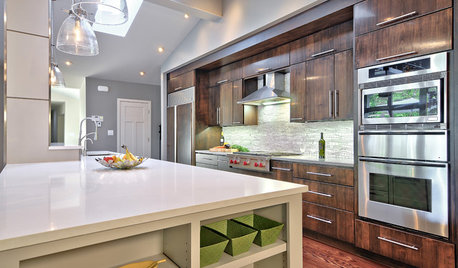
KITCHEN COUNTERTOPS7 Low-Maintenance Countertops for Your Dream Kitchen
Fingerprints, stains, resealing requirements ... who needs ’em? These countertop materials look great with little effort
Full Story
GARDENING GUIDESBigtooth Maple, the West’s Native Sugar Maple
Plant Acer grandidentatum for cool shade, brilliant autumn colors and songbird habitat
Full Story
LIFEConsider Avoiding These Plants to Help Keep Your Garden Fire-Safe
Plants that accumulate dead material, are high in oil or have low moisture content in leaves put some homes at risk
Full Story
HOUZZ TOURSMy Houzz: Contemporary Home Hugs a Central Courtyard
An architect's Salt Lake City home celebrates outdoor living in a beautiful blend of modern and organic styles
Full Story
HOUZZ TOURSMy Houzz: Eclectic Repurposing Fits First-Time Homeowners in Utah
DIY projects using reclaimed materials add rustic style to an open-layout Salt Lake City home
Full Story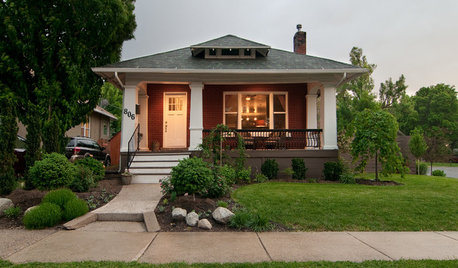
HOUZZ TOURSMy Houzz: Stripping Down Uncovers a 1910 Bungalow's Beauty
A first-time homeowner brings out the charm and coziness in her Utah home through determination and patience
Full Story
SUMMER GARDENINGHow to Grow Basil
Bright color, quick growth and endless uses for cooking make this summer annual a winner in the garden or a pot
Full Story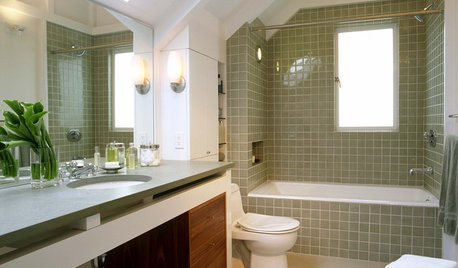
BATHROOM DESIGN12 Things to Consider for Your Bathroom Remodel
Maybe a tub doesn’t float your boat, but having no threshold is a no-brainer. These points to ponder will help you plan
Full Story
HEALTHY HOME6 Tips From a Nearly Zero-Waste Home
Lower your trash output and increase your quality of life with these ideas from a mom who did it to the max
Full Story
MOST POPULARPros and Cons of 5 Popular Kitchen Flooring Materials
Which kitchen flooring is right for you? An expert gives us the rundown
Full Story



User