

Growing Natives
5 years ago
last modified: 5 years ago
Featured Answer
Sort by:Oldest
Comments (654)
- 5 years ago
 5 years ago
Related Discussions
Festuca Rubra Molate - growing native fescue from seed?
Comments (6)I have a colleague that has some in her garden and it died back last summer even with some summer irrigation. I don't know yet if it is coming back. The Achillea hung in there though. I would guess that it was given about 30-40% ET0 in summer. I would plan on probably giving it at least 60% ET0 if I were growing it here in LA. That means about 4 inches of water in July. This post was edited by nil13 on Thu, Nov 27, 14 at 14:46...See MoreClass: Growing Native Plants & Flowers - Thursday, July 15
Comments (1)Thanks for posting Violet. I bet Hamilton's would be a nice place to visit too....See Moregrowing native Wisterias from seed
Comments (3)Thanks for the responses so far. No worries about waiting only 12-15 years for the native species to bloom. I grow several species of trees from seed, of which some will take quite awhile to mature (like my oaks). Brings to mind one of my favorite quotes, which would also be fitting here: "He that plants a tree loves others than himself." - Dr. Thomas Fuller...See MoreLow growing native shrub?
Comments (2)We fell for those photos and planted 1 gallon dwarf yaupons in front of windows only 2 ft above the slab. They wanted to max out at about 4 x 4 ft in these east facing beds by 8 or 9 years. We pruned them back to two feet over a couple seasons and they look nice, but foliage begins to thin near the base with age. Didn't try cutting them off at the base to rehab like boxwoods; anyone know if this works with dwarf yaupons? We're thinking of either replacing or under planting with something short. One possible native alternative we've been trying in the back is autumn sage (salvia greggi). Our generic ones get pretty bare in winter, but a couple named cultivars seem to retain most of their leaves, at least in Dallas 8A. While here they never get as dense as yaupon, even in the summer, their flowers are at least a nice tradeoff. Would love to learn of other evergreen natives that hold to ~2 ft when mature....See More- 5 years ago
- 5 years ago
- 5 years agolast modified: 5 years ago
- 5 years ago
- 5 years ago
- 5 years ago
- 5 years ago
- 5 years agolast modified: 5 years ago
 5 years ago
- 5 years ago
- 5 years agolast modified: 5 years ago
- 5 years agolast modified: 5 years ago
- 5 years agolast modified: 5 years ago
- 5 years ago
- 5 years ago
- 5 years ago
- 5 years agolast modified: 5 years ago
- 5 years agolast modified: 5 years ago
- 5 years agolast modified: 5 years ago
- 5 years ago
- 5 years ago
- 5 years agolast modified: 5 years ago
- 5 years ago
- 5 years ago
- 5 years agolast modified: 5 years ago
- 5 years agolast modified: 5 years ago
- 5 years ago
- 5 years agolast modified: 5 years ago
- 5 years ago
- 5 years agolast modified: 5 years ago
- 5 years ago
- 5 years ago
- 5 years ago
- 5 years ago
- 5 years agolast modified: 5 years ago
- 5 years ago
- 5 years ago
- 5 years ago
- 5 years ago
- 5 years ago
- 5 years agolast modified: 5 years ago
- 5 years ago
- 5 years agolast modified: 5 years ago
- 5 years ago
- 5 years ago
- 5 years ago
- 5 years ago
- 5 years ago



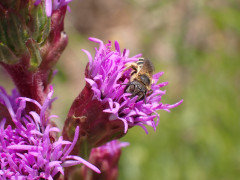

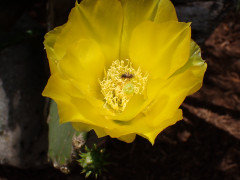
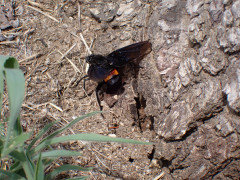
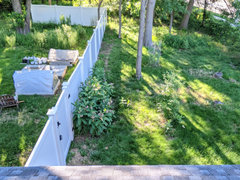


Related Stories
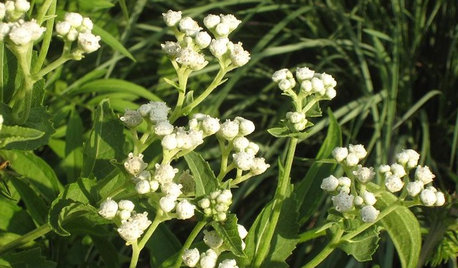
NATIVE PLANTSGreat Native Plant: Grow Wild Quinine for Its Unique Clusters of Blooms
Get connoisseur cred and unique blooms with this uncommon plant. Bonus assets: It’s low maintenance and drought tolerant
Full Story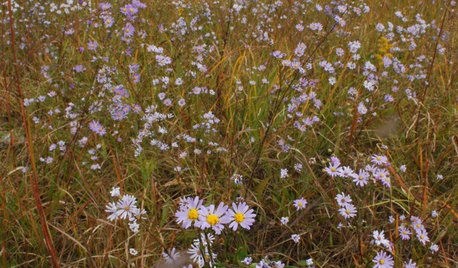
GARDENING GUIDES15 Native Flowers That Feed Native Bees
These perennials offer superfood to hundreds of bees and are gorgeous in their own right
Full Story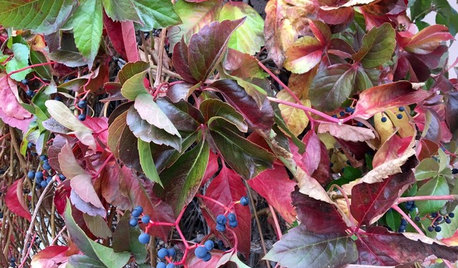
FLOWERS AND PLANTSGrow a Brilliant Seasonal Screen and Feed the Birds With Woodbine
Plant this fast-growing vine to green up a blank spot, add fall color and offer berries for birds
Full Story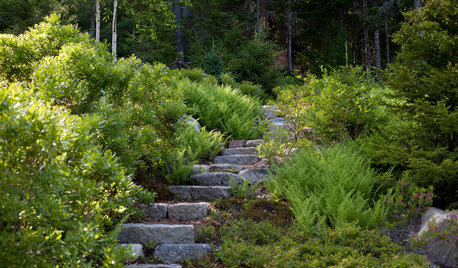
GARDENING GUIDESGreat Design Plant: Grow Blueberries for Their Fruit and More
Eastern gardeners should consider growing blueberry plants for their delicious fruits, bee-friendly spring blooms and brilliant fall foliage
Full Story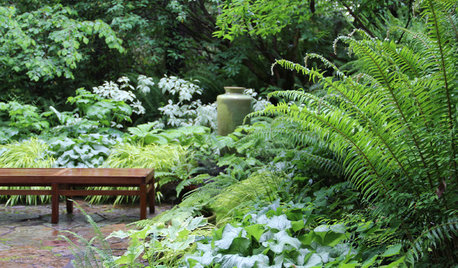
GARDENING GUIDES9 Top Native Plants for Beginning Gardeners
When you’re just starting out, choose easy-to-grow natives like these adapted to your area
Full Story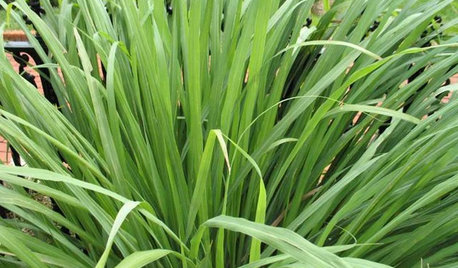
HERBSHerb Garden Essentials: Grow Your Own Zesty Lemongrass
Add lemony goodness to cooking and tropical flavor to your yard with this grass-like herb native to Southeast Asia
Full Story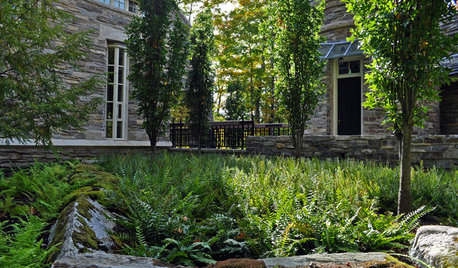
FLOWERS AND PLANTS8 Essential Native Ground Cover Plants for the Southeast
These low-growing ferns, shrubs and palms blanket the ground to help with erosion and soil moisture
Full Story0
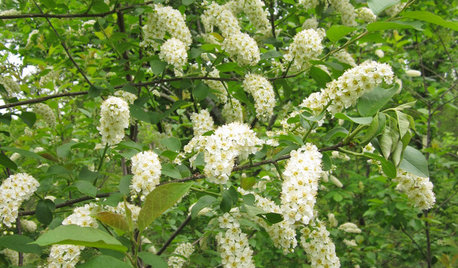
TREESNative Plant Alternatives to Invasive Common Buckthorn
Learn how to identify and control this aggressive plant, and what to grow in its place
Full Story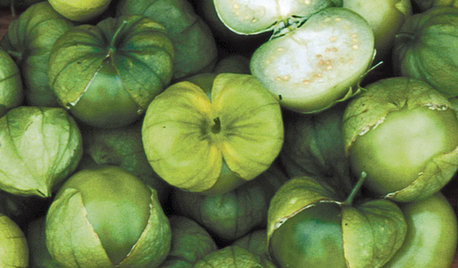
SUMMER FRUITS AND VEGETABLESSummer Crops: How to Grow Tomatillos
Grow this Mexican native for the freshest salsa verde — and for fewer problems than its tomato cousins
Full Story0
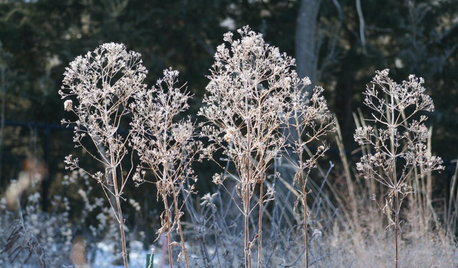
WINTER GARDENING10 Native Wildflowers to Beautify Your Winter Garden
They stand strong in wind, feed wildlife and are easy to grow. But you may want to add these plants for their looks alone
Full Story
More Discussions
deanna in ME Barely zone 6a, more like 5b