

do's and don'ts for your kitchen knifes
6 years ago
Featured Answer
Sort by:Oldest
Comments (6)
 6 years ago
 6 years ago
Related Discussions
Sushi making do's and don'ts
Comments (10)I learned to make sushimeshi (vinegar rice for sushi) at a Japanese restaurant where I worked for about 8 years. They always used an electric fan. It wasn't really about making the rice shiny, though it did, it was about helping the water in the vinegar evaporate so that the rice wouldn't be soggy, leaving only the flavor behind. You mix the rice vinegar, sugar and salt in with very hot rice, turning it over and over with the shamoji (rice paddle) or a wooden spoon so that the breeze from the fan blows the rising steam away from the rice and all the rice grains dry evenly. I cannot give you the proportions of rice wine vinegar, salt and sugar, because I've never measured them, we always just did it to taste, sprinkling them on individually (we didn't make a syrup) while we tossed. If you have made the rice correctly, the nori doesn't get soggy, although it does of course get soft fairly quickly after rolling. When making the rice, I wash it well after measuring. Yeah, I know they don't coat it with talc anymore, and you're meant to be able to skip washing it. But the flour (or whatever it is) that they coat it with now still absorbs water and keeps the rice from developing that perfect texture. My Japanese second Mom would have had a fit if she caught me not washing the rice until the water ran perfectly clear. I use equal portions of rice and water, usually adding just a little bit extra water. It's hard to say exactly how much...rice differs in moisture content, there's a "feel" to it. For example, if it is "new crop" rice, very little extra water is required, if it has been on the shelf for a while, it will need more. At a guess...say an extra 1/4 cup water per 2 cups rice? You end up with better rice if you let it sit in the pan soaking for at least an hour before you cook it, but it isn't essential. Cover the pot, bring to a rolling boil...do NOT leave to go do something else...it can go from a simmer to overflowing in less time than you think. Then turn it down to low, simmer 15 minutes, remove from heat. After 2 minutes or so, open the lid, quickly turn the rice over to fluff it a bit, return the lid and leave it be for 10 more minutes. Then make your sushimeshi. Inarizushi is easy to make and almost everyone likes it. We always made it buying the fried tofu puffs from the market, cutting them in half and simmering them in the sauce. I've never used the canned kind. I haven't made it since I moved here, as there is no Japanese market closer than 2 hours away. I'd forgotten about the canned kind, maybe I will pick up a few cans next time I go to Sac and try them! The filling was mostly just the vinegar rice, with any extra inside scraps from the tofu wrappers and a few simmered carrot slivers and maybe a bit of shiitake mushroom. I have played around a bit at times, adding some shredded chicken, katsuo boshi (dried bonito flakes) or some of the sweeter types of tsukemono (pickled veggies.) I don't know about the metal bowl...except that I generally avoid using metal with vinegar. It seems somehow to pick up the taste of metal. I've always used a large, rectangular tupperware or glass baking dish, 'cause that's what we used at the restaurant. Spreading the rice out as you fan, sprinkle and turn it helps the air to circulate so that it dries off more evenly....See MoreIdeas for kitchen knife storage
Comments (9)I have a drawer full of them loose- but most of them have their own plastic protectors/sheaths. If I had the wall space for them, I would put them on a magnetic strip in a heartbeat. I don't like using a block because a block can be a hosting ground for random food bits and bacteria. No matter how well you clean your knives or nicely store your block, the stuff can get in there. That's why I use plastic protectors instead- you can soak them in bleach water to really clean em good as needed....See MoreMarble Counter Newbie - Do's and Don'ts Appreciated!
Comments (5)You do need to take special care with marble. I moved into a house with a large white polished marble kitchen island and it took less than three months for me to realize the job I was taking on. Spills need to be cleaned immidiately. You need to be especially careful with the cleaning products you use. Household cleaners should NEVER be used and just because something says its good for marble does not mean you can or should use it. A couple of things I would want to know is whether your marble is honed or polished? Each has its pros and cons. My marble was polished which I liked. What I ended up doing is having a product installed over the counter called TuffSkin. What I liked about this product is that it protects the marble from scratches and stains. The TuffSkin can get scratched but your marble won't. It might be a product you might consider while your newborn is young.....you can spend your time fretting about your newborn as opposed to your marble counter. Good luck....See MoreDo's and Don'ts, Tips, "Wish I'd Known" for new home build
Comments (6)If you're in SW FL (I am), make sure your exterior doors open outwards for wind protection. Make sure you're above base flood level Make sure you have enough wind tie downs from roof to walls. Best roof for SW Fl is a hipped roof again for wind protection. Here is my list of best suggestions: The best houses orient the public rooms towards the south for the best passive solar heating and cooling. The best houses are L, U, T, H, or I shaped. The best houses are only one to two rooms deep. And covered lanai, porches, garages, etc count as rooms in this case. The best houses make sure kitchens have natural light, meaning windows so one doesn't have to have lighting 24/7 to use the kitchen. (And no, dining areas with windows 10' or more from the kitchen will not allow for natural light.) The best houses make sure all public rooms and bedrooms have windows on at least two walls. The best houses do not if possible put mechanical rooms, pantries or closets on outside walls The best houses keep public and private spaces separate. The best houses do not have you walk through the work zone of the kitchen to bring laundry to the laundry room. The best houses do not have the mudroom go through any of the work zones of the kitchen. The best houses do not use the kitchen as a hallway to any other rooms. The best houses do not put toilets or toilet rooms up against bedroom walls or dining areas. The best houses do not have walk in closets too small to stand inside. The best houses have an organizing “spine” so it’s easy to determine how to get from room to room in the house and what makes sense....See More 6 years ago
 6 years ago
 6 years ago

Related Stories
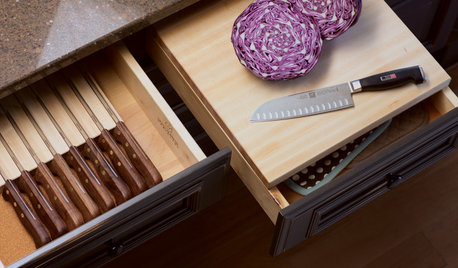
KITCHEN STORAGEKnife Shopping and Storage: Advice From a Kitchen Pro
Get your kitchen holiday ready by choosing the right knives and storing them safely and efficiently
Full Story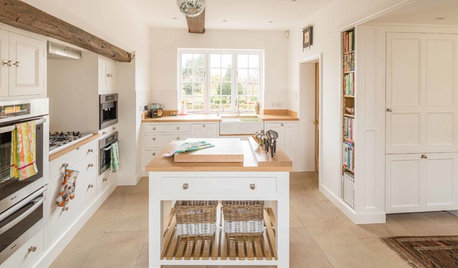
KITCHEN DESIGNKitchen of the Week: A Fresh Look for a Georgian Country Kitchen
Whitewash and understatement help turn the kitchen in this period home from a tricky-shaped room into a stylishly unified space
Full Story
KITCHEN DESIGNKitchen of the Week: Tricolor Finishes Make for One Cool Kitchen
Unexpected colors blended with an artful touch create a subtly sophisticated palette in a timelessly beautiful kitchen
Full Story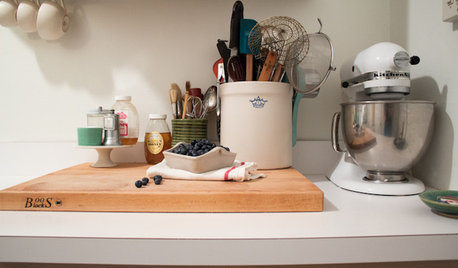
KITCHEN DESIGNKitchen of the Week: Tiny, Fruitful New York Kitchen
Desserts and preserves emerge from just a sliver of counterspace and a stove in this New York food blogger's creatively used kitchen
Full Story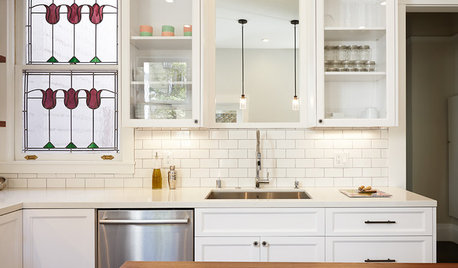
KITCHEN DESIGNKitchen of the Week: A Dark Kitchen Brightens Up
A cooking space honors the past while embracing the present
Full Story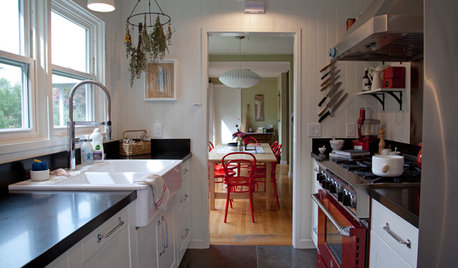
KITCHEN DESIGNKitchen of the Week: A Galley Kitchen in Wine Country
Smart reorganizing, budget-friendly materials and one splurge give a food-loving California family more space, storage and efficiency
Full Story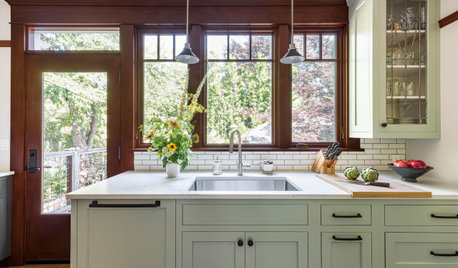
KITCHEN STORAGEGet the Most Out of Your Kitchen’s Undersink Area
Clever solutions can turn this awkward space into a storage workhorse for cleaning supplies and more
Full Story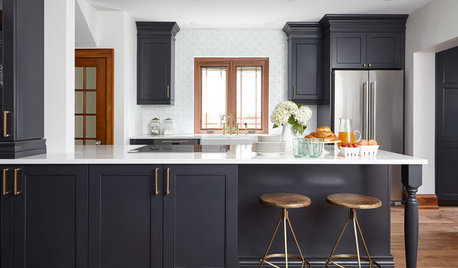
KITCHEN DESIGNKitchen of the Week: Wood, White and Blue in an 1890s Kitchen
A designer preserves 19th-century architectural details while updating the room’s style and adding modern comforts
Full Story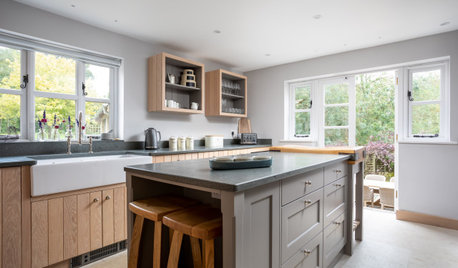
INSIDE HOUZZWhat’s Popular for Kitchen Islands in Remodeled Kitchens
Contrasting colors, cabinets and countertops are among the special touches, the U.S. Houzz Kitchen Trends Study shows
Full Story
KITCHEN DESIGNKitchen of the Week: Small, Creatively Used Kitchen
A food blogger whips up recipes out of a tiny Oklahoma kitchen — and sometimes spills over to the dining room table
Full Story


breenthumb