

Turkey baster fat separation
6 years ago
Featured Answer
Sort by:Oldest
Comments (7)
 6 years agolinnea56 (zone 5b Chicago) thanked dcarch7 d c f l a s h 7 @ y a h o o . c o m
Related Discussions
Your T & T turkey leftovers recipes!
Comments (15)I just got done making my traditional turkey scrapple. I make it every time we have roast turkey. I've never been a fan of turkey soup, so years ago when a friends introduced me to this dish, I tried it and have been making it ever since. Simmer the carcass with herbs & spices for several hours, strain, pick off all the pieces of meat. I follow the recipe from the Alber's box for cornmeal mush but use the heavily seasoned turkey broth. Simmer everything until the cornmeal is quite thick and spoon into meatloaf pans. Let cool & chil overnight. Then in the morning, slice the scrapple, dredge in flour, and fry until crispy on both sides. I've served it with honey, maple syrup, leftover gravy, and even leftover cranberry sauce. It's one of our favorite breakfasts. My husband would be sorely disappointed if I didn't make it....See MoreHow can I make brown bits for turkey gravy?
Comments (6)I've ONLY used a fresh, nat'l turkey for 25+ years (Huntsinger in So. Calif.) and I get tons of brown bits, so I'm confused how this would happen to you. I'm clarifying to you that my turkey NEVER has been injected with the "8-12%" salt solution, etc. as many are but buyers often neglect to see the fine print. My procedure is to Pam my roasting pan and rack, place the washed and cleaned/trimmed turkey on the rack and THEN proceed to season it all over, including the insides, along with a final sprinkling of paprika for color all over. Some of all of this, of course, falls to the bottom of the roasting pan. I then always cook breast-side down for first 45 min. @ 425 F. and then breast side up for the remaining time at 325F., rubbing it with softened butter just once during cooking. I also tilt the unstuffed bird just prior to removing it from the pan for any add'l drippings that were inside. I have TONS of brown bits in the pan + about 1/2" at least of dk. brown drippings. I then separate this, commence with the gravy makings in the same roasting pan and then add in at the right time the cup or two of turkey broth (+ chp'd giblets and neck bits) I cooked earlier with the giblets, neck, wing tips, onion and water that boiled for 1.5 hrs. The color is DARK brown with NO soy sauce or anything else added (sorry, DCarch). Delish....See MoreHelp! No drippings for turkey gravy.
Comments (22)You can also extend the pan juices by making a broth using the turkey neck, celery, onion and whatever spices you like. Cover and cook on low heat for a couple of hours. Strain the broth, cool a bit, then take some out (half cup or so) and whisk in flour, then re-introduce the flour paste mixture into the broth to thicken. When the turkey is done, remove it from the roaster pan, add this gravy into the pan and scrape/whisk in any browned bits and/or juices. I like to add a dollop of real butter and whisk that in also. If your turkey is stuffed, the juices tend to soak into the stuffing. If you cook your stuffing separately, the juices drip into the cavity and you can use long tongs to tip all the juices out into the pan to use/reduce/brown. Juices will also pool behind some of the joints - like the thigh joint (unless you've cooked your turkey to death!) - before removing the turkey from the roaster, make a small slit in the skin at the joint (near the body) to release those juices into the pan. There are all kinds of methods to make that important gravy!...See Morefresh turkey=no brown bits for gravy
Comments (3)I always cook a fresh turkey. Since I baste with the pan juices, it's easy to pull off any extra juices in the bottom so the turkey doesn't end up boiling in the juices. I always have "bits" in the bottom. Like my mom, once I take the turkey from the oven, I put the roasting pan on the burners and cook down the juices (deglaze, not a word she would have used!), till they are nice and brown and concentrated. I usually get more bits during the deglazing, too. I make my gravy in the roasting pan. This makes nice dark, tasty gravy. I sometimes add veggie broth for a nice taste, and if necessary, Kitchen Bouquet for color (and taste). I get a very good gravy....See More 6 years ago
 6 years ago
 6 years ago
 6 years ago
 6 years ago

Related Stories
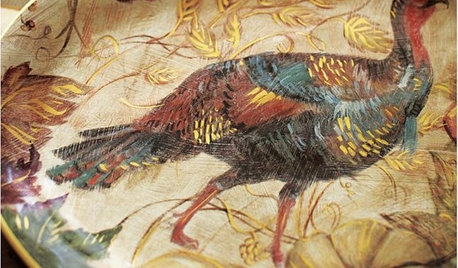
PRODUCT PICKSGuest Picks: Talkin' Turkey
20 kitchen essentials and extras for the star of your Thanksgiving feast
Full Story
FALL AND THANKSGIVINGYour Guide for a Simpler Thanksgiving
Ease the stress of hosting the big day with these tips
Full Story
MOST POPULARThanksgiving Tales: When the Turkey Tanks
Houzz readers prove adept at snatching victory from the jaws of entertaining defeat
Full Story
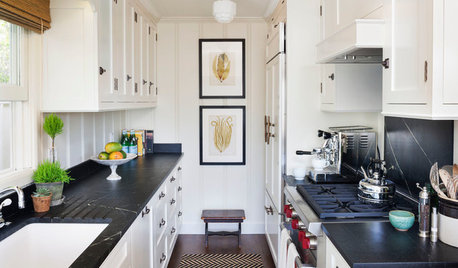
KITCHEN DESIGNWhy a Designer Kept Her Kitchen Walls
Closed kitchens help hide messes (and smells) and create a zone for ‘me time.’ Do you like your kitchen open or closed?
Full Story
KITCHEN APPLIANCESFind the Right Oven Arrangement for Your Kitchen
Have all the options for ovens, with or without cooktops and drawers, left you steamed? This guide will help you simmer down
Full Story
KITCHEN DESIGN11 Must-Haves in a Designer’s Dream Kitchen
Custom cabinets, a slab backsplash, drawer dishwashers — what’s on your wish list?
Full Story
PETSPet-Proofing Your Home: A Room-by-Room Guide
Not all pet dangers are obvious. Keep furry friends safe and sound by handling all of these potential hazards
Full Story
KITCHEN DESIGNA Designer Shares Her Kitchen-Remodel Wish List
As part of a whole-house renovation, she’s making her dream list of kitchen amenities. What are your must-have features?
Full Story
DECORATING GUIDESInterior Design Trends Expected to Take Hold in 2018
Get the lowdown on the colors, materials and other design decisions gaining steam now
Full Story
sleevendog (5a NY 6aNYC NL CA)