

Disappointing Products/Purchases?
7 years ago
Featured Answer
Sort by:Oldest
Comments (38)
Related Discussions
Disappointed in snap pea production
Comments (15)I love snap peas and although I have a good amount of space, I would plant them if they were the only crop I grew. I plant in a band about 4"-5" wide with peas separated about 1" apart. I presoak them overnight and then plant them out as early as I can get into the garden, which this year wasn't until the end of April due to snow and frozen ground. For me 30 plants would only be a couple of feet at most. I grow about 10 feet of peas, planted in 2 plantings about 2 weeks apart and usually have production for 6 weeks or so. I eat a quart a day (almost all of them raw) and have plenty to give away. In your climate, mulching the ground around your peas may keep the soil cooler and more evenly moist and so they may produce better. Also, there is an innoculent (be sure you get for peas, not beans) that you can add at the time of planting that has the bacteria that helps the plant create the root nodules and fix nitrogen if you soil is lacking in that. Here's an example of the band of plants. The gaps are courtesy of cutworms. ;>(...See MoreYour most disappointing plant purchase?
Comments (17)I can relate to a lot that are already named, but my BIGGEST and most expensive disappointment was my "Endless Summer" hydrangea. I planted it in spring of "04, it diddled around with a few drooping but beautiful blooms - even if you almost had to lie on the ground to see them. I followed the extensive directions to a T. This spring - deader than a doornail. Now, after being told how hardy it was last year, they are saying it needs a foot of mulch - imagine a foot of mulch and nothing was even mentioned about winter protection. They only said it was hardy in our zone. So much for a bunch a daylilies or hostas I could have had. jan...See MoreDisappointing runner bean production
Comments (7)I don't know if pollinators don't like white flowers or what is going on. ************************************************************************* peas and beans are self pollinating and do not need insects or anything else. I have heard that some varieties get pollinated before fully opening. although, it is possible that insects may cross pollinate them, but otherwise they do not need insects' help. I am also in PNW and have planted several Scarlet Runners. Early on they had very few pods but lately they are growing more. I like their pods at every stage;; as young green and slightly matured shellies. With Shellies you get more bang for the buck. Matured pods are quite long (8" ?) and large and have many large beans....See MoreWhich Tomatoes Have Disappointed You?
Comments (27)Sheri, It seems like every year I plant at least some of my fall tomatoes earlier and earlier. This year I got the earliest ones in the ground in mid-June, and they had green tomatoes on them by August. Now, in a normal year, the July-August weather might have been too hot for blossoms to set fruit, but this wasn't a normal year. Other ways you can protect fall tomatoes from the first freeze or two: 1) Set up 3-gallon or larger buckets, pots, wastepaper baskets, etc. alongside the tomato plants you want to save. Fill them with water. The water will act as a 'heat sink', soaking up heat from the sun all day, and then releasing the heat at night as the water cools off. The heat released by the water helps keep the plants a little warmer. 2) Run a string or two of Christmas lights down the row of tomato cages or trellis. Leave them on at night. The heat from the lights warms up the air around the plants a little. This works best if you use the larger Christmas lights, and not the really small ones. It also works better if the plants are covered since the cover helps hold in the heat. 3) If you have a handful of plants you really, really want to protect, keep a few bags of dry autumn leaves or a couple of hay bales handy. When the first freeze is expected, grab handfuls of the hay or leaves and shake them gently over the tomatoes. The idea is that the leaves or hay fall gently onto the plants, creating warm pockets of air and covering the leaves/fruit as much as possible to keep frost/cold air away. You don't want to pack down the hay or leaves tightly because that will crush the plants. The hay and leaves insultate the plants a little. When I do this, I usually just put the hay and leaves inside the tomato cages. Anything that sticks out of the hay will probably freeze. 4) Cover the plants as we previously discussed. If you do this in combination with the lights, be sure the fabric doesn't make contact with the lights or the fabric may scorch or ignite. If you don't cover the plants, you can position a fan to blow air towards the plants. This light 'breeze' can help keep frost from settling on the plants. 5) If you want to try saving only a couple of choice plants, place a large plastic or rubber trash can over the plant. You may not be able to save all of the plant, but you can probably save some of the it. Last spring, I used a combination of buckets of water (the large jugs and buckets that cat litter comes in are great for this), hay, straw, and covering the plants with cloth OR plastic ('cause the plants were small and the plastic didn't touch them) to protect the tomato plants (the early ones I put into the ground in mid-March) from a late, two-week spell of freezing weather, cold rain, hard frost, etc. All the effort was worth it to me to save those spring tomatoes but I doubt I'd go to that much trouble for fall tomatoes. One of the hardest things in the world, though, is standing in your garden and looking at green, healthy tomato plants full of blooms and fruit, knowing the first frost is headed your way. I hate knowing that the veggie gardening season is 'over'! Dawn...See More 7 years agolast modified: 7 years ago
- 7 years ago
 7 years agolast modified: 7 years ago
 7 years ago
- 7 years ago
- 7 years ago
- 7 years ago
- 7 years ago
- 7 years ago
 7 years ago
- 7 years ago
 7 years ago
 7 years ago
- 7 years ago
- 7 years ago
 7 years ago
 7 years agolast modified: 7 years ago
- 7 years ago
 7 years agolast modified: 7 years ago
- 7 years ago
- 7 years ago
 7 years ago
- 7 years ago
- 7 years ago
 7 years ago
- 7 years ago
- 7 years ago
 7 years ago
 7 years ago
- 7 years ago
- 7 years ago
- 7 years ago
- 7 years agolast modified: 7 years ago
- 7 years ago
- 7 years ago
- 7 years ago
Related Stories

DECORATING GUIDES7 Home Purchases Worth the Splurge
Make buyer's remorse over furniture, textiles and more a thing of the past with this wise purchasing advice
Full Story
Announcing the Houzz Trade Program: Get Product Discounts and More
Learn how shopping on Houzz can be profitable for your business
Full Story
SHOP HOUZZProduct Picks: An Eco-Friendly Backyard Cottage
An energy-efficient 700-square-foot home makes a cozy abode for a Seattle couple. Get the look
Full Story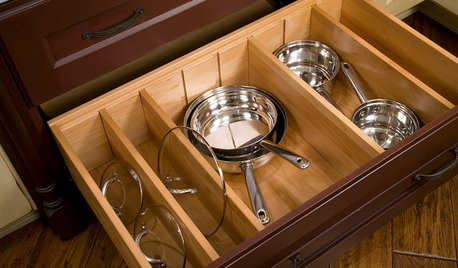
MOST POPULARA Professional Organizer Shares Her Top 6 Storage Products
Drawer dividers and undersink trash cans are among a pro’s go-tos for getting organized in the kitchen and elsewhere
Full Story
LATEST NEWS FOR PROFESSIONALSHow Contractors Are Handling Rising Product and Materials Costs
Pros in custom building, remodeling and design-build share their strategies for maintaining profits as costs go up
Full Story
INSIDE HOUZZSee Which Smart Home Products Remodeling Homeowners Chose in 2019
Home assistants like Amazon Alexa and Google Nest are on the rise, according to the U.S. Houzz & Home survey
Full Story
KITCHEN DESIGNThese New Products Aim to Make Your Kitchen Smarter
The latest appliances use home assistants, apps and sensors to help you shop, prep, cook and communicate
Full Story
RESILIENCEMakers of Home Remodeling Products Say They’re Ready to Ship
Tile, countertop, lighting and flooring firms we spoke with say they’re prepared to meet demand despite the pandemic
Full Story
TRENDING NOW10 Kitchen Design Trends From New Products Coming in 2021
See the appliances, fixtures and features that stood out amid a flurry of introductions timed to the KBIS trade show
Full Story
GARDENING GUIDES10 Ways to Make Your Garden More Productive
Maximize your garden’s growth and output by building healthy soil, expanding growing space and collecting rainwater
Full Story

rob333 (zone 7b)