

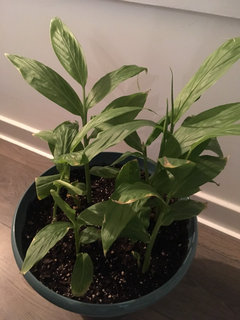
Can you identify this plant?
7 years ago
Featured Answer
Sort by:Oldest
Comments (26)
 7 years ago
Related Discussions
Can you identify this plant and help diagnose the problem?
Comments (1)Currently: Schefflera elegantissima, formerly: Dizygotheca elegantissima, commonly: false Aralia Hard to say what's wrong from the info offered, and there are several cultural issues that can be made manifest in the symptoms shown; but since it's known the plant tolerates wet feet poorly, I'd make over-watering and/or a soil that holds excessive amounts of water my starting point. If you tell all you can think of about what you do for the plant culturally, you might say something that leads to a moment than ends in 'aha'! Use a "tell" to test the soil for moisture levels and water when the tell comes out dry or nearly so. Something I wrote about using a "tell": Using a 'tell' Over-watering saps vitality and is one of the most common plant assassins, so learning to avoid it is worth the small effort. Plants make and store their own energy source – photosynthate - (sugar/glucose). Functioning roots need energy to drive their metabolic processes, and in order to get it, they use oxygen to burn (oxidize) their food. From this, we can see that terrestrial plants need air (oxygen) in the soil to drive root function. Many off-the-shelf soils hold too much water and not enough air to support good root health, which is a prerequisite to a healthy plant. Watering in small sips leads to a build-up of dissolved solids (salts) in the soil, which limits a plant's ability to absorb water – so watering in sips simply moves us to the other horn of a dilemma. It creates another problem that requires resolution. Better, would be to simply adopt a soil that drains well enough to allow watering to beyond the saturation point, so we're flushing the soil of accumulating dissolved solids whenever we water; this, w/o the plant being forced to pay a tax in the form of reduced vitality, due to prolong periods of soil saturation. Sometimes, though, that's not a course we can immediately steer, which makes controlling how often we water a very important factor. In many cases, we can judge whether or not a planting needs watering by hefting the pot. This is especially true if the pot is made from light material, like plastic, but doesn't work (as) well when the pot is made from heavier material, like clay, or when the size/weight of the pot precludes grabbing it with one hand to judge its weight and gauge the need for water. Fingers stuck an inch or two into the soil work ok for shallow pots, but not for deep pots. Deep pots might have 3 or more inches of soil that feels totally dry, while the lower several inches of the soil is 100% saturated. Obviously, the lack of oxygen in the root zone situation can wreak havoc with root health and cause the loss of a very notable measure of your plant's potential. Inexpensive watering meters don't even measure moisture levels, they measure electrical conductivity. Clean the tip and insert it into a cup of distilled water and witness the fact it reads 'DRY'. One of the most reliable methods of checking a planting's need for water is using a 'tell'. You can use a bamboo skewer in a pinch, but a wooden dowel rod of about 5/16” (75-85mm) would work better. They usually come 48” (120cm) long and can usually be cut in half and serve as a pair. Sharpen all 4 ends in a pencil sharpener and slightly blunt the tip so it's about the diameter of the head on a straight pin. Push the wooden tell deep into the soil. Don't worry, it won't harm the root system. If the plant is quite root-bound, you might need to try several places until you find one where you can push it all the way to the pot's bottom. Leave it a few seconds, then withdraw it and inspect the tip for moisture. For most plantings, withhold water until the tell comes out dry or nearly so. If you see signs of wilting, adjust the interval between waterings so drought stress isn't a recurring issue. Al...See MoreCan you identify this plant?
Comments (1)Gazania....See MoreCan you identify the plant border?
Comments (6)Those common names again .... not to mention Iberis umbellata, an annual, also referred to as Candytuft here. Its an odd combo to my eye since cyclamen are generally used as autumn bedding up until frost whereas the Alyssum blooms all summer long. The cyclamen couldn't take full sun but the Alyssum loves it. Strikes me as a very temporary display, not to mention expensive given the cost of cyclamen, even the miniature cultivars shown here....See MoreCan you identify this plant?
Comments (9)The foliage isn't right for a gentian, I don't think. I do know the answer why you didn't see your post, or a possible answer. I can only see this post if I am on the Houzz version of Kitchen Table. If I am on the GardenWeb version, it's not there. The Houzz version is more persnickety and I don't like it as well, so when I realized I was on it, and went to find this post again on GardenWeb, I couldn't find it. Weird, but true. I've looked several times....See More- 7 years ago
- 7 years ago
- 7 years ago
- 7 years agolast modified: 7 years ago
 7 years ago
- 7 years agolast modified: 7 years ago
- 7 years ago
 7 years ago
- 7 years ago
- 7 years ago
- 7 years agolast modified: 7 years ago


Related Stories
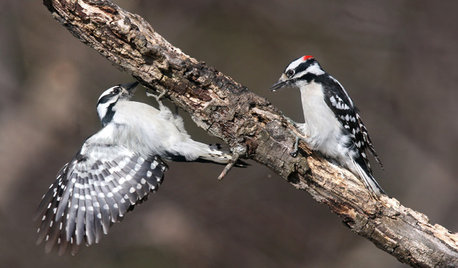
GARDENING FOR BIRDSBackyard Birds: How to Identify Two Common Woodpeckers
Downy and hairy woodpeckers have similar coloration and behavior. But there are two big differences that separate them
Full Story
INSPIRING GARDENSWhat We Can Learn From Longwood Gardens’ New Meadow
Sustainability, ecology, native plant communities ... this public garden is brimming with lessons on horticulture for home gardeners
Full Story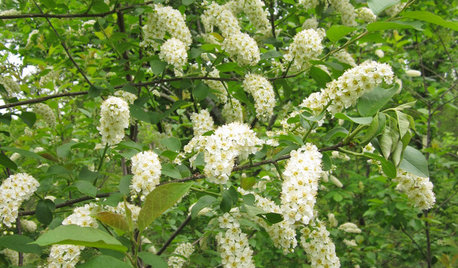
TREESNative Plant Alternatives to Invasive Common Buckthorn
Learn how to identify and control this aggressive plant, and what to grow in its place
Full Story
GARDENING GUIDESWhat's Wrong With My Plant? Leaves Often Hold the Clues
Learn how to identify common plant ailments by reading their leaves
Full Story
URBAN GARDENSPlant a Garden That Can Move With You
Think mobile when planning your outdoor space and you can enjoy it wherever you move next
Full Story
GARDENING GUIDES4 Ways Gardens Can Go Beyond Aesthetic Beauty
Our landscapes can play an even more meaningful role if we rethink their purpose
Full Story
LANDSCAPE DESIGNHow Low Can Hedges Go? Discover Unusual Garden Borders
Short enough to step over, high enough to be a stretch ... check out these radically different hedge styles and tell us your opinion
Full Story
LIFEHow Your Landscaping Can Keep Burglars Away
Prevent home break-ins with strategic landscaping and good practices instead of menacing — and maybe less effective — measures
Full Story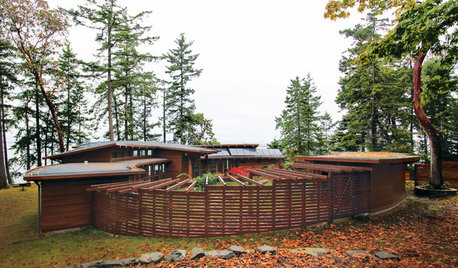
FENCES AND GATESA Deer Fence Can Be Decorative as Well as Protective
You need a monster-size fence to shelter your garden from deer, but it doesn’t have to look like a monstrosity
Full Story
HOUZZ TOURSWe Can Dream: An Expansive Tennessee Farmhouse on 750 Acres
Wood painstakingly reclaimed from old barns helps an 1800s farmhouse retain its history
Full StorySponsored
rhizo_1 (North AL) zone 7