

Organic foods fraud?
8 years ago
last modified: 8 years ago
Featured Answer
Sort by:Oldest
Comments (15)
 8 years ago
Related Discussions
Clear differences between organic and non-organic food, study fin
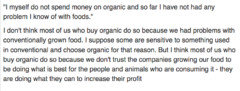
Comments (18)I'm not quite sure what is the point of this thread. In this one meta analysis, they reviewed 343 previous studies done, examining and measuring nutritional content of organic vs non organic vegetables. Is that right? Yet, after 343 studies done, they still find very little difference in the nutritional value of both groups. No difference that would actually support recommending one over the other for nutritional content. After 343 studies. That to me is a very large waste of time and money to do that many studies when the first 50 probably told you all you needed to know. I also have to wonder, who was paying for these studies? Is some organization trying to gain support for their point of view with 'scientific studies showâ¦'? At any rate, I haven't expected that organic produce has significantly higher amounts of nutrition over non organic produce. I simply understand that pesticides and fungicides actually are designed to kill bugs and fungus. Why would I want to eat foods that were sprayed with any kind of agent that can kill, even if it is just a small bug? And had them repeatedly applied? And that the soil that they are growing in has had years and years of them being applied? The other reason I choose organic gardening, is because an ecological system clearly exists. Why ignore that rather than try to understand it and work with the system rather than against it? None of these studies address either of those reasons why I choose organic....See MoreDid you harvest any organic foods today?
Comments (17)after my last post the roots came in strong. I have eaten three turnips and three beets since, plus juiced some celery tops, more beets, and some carrots. Cucumbers, which are wonderful with just rice vinegar, and string beans too....See MoreCan Organic Food Prevent a Public Health Crisis?
Comments (0)See: http://civileats.com/2017/03/08/can-organic-food-prevent-a-public-health-crisis/...See MoreOrganic Food & Farming Summit - September 17-19 in Gainesville
Comments (0)Florida Organic Growers is holding its inaugural Organic Food & Farming Summit September 17-19 in Gainesville. This is an opportunity for organic gardeners, farmers, advocates, researchers and consumers to interact and learn through farm tours, workshops, presentations, trade show and day long training sessions. It will be a great resource for Florida gardeners! You can check out the summit website to learn more and to register here: www.organicfoodandfarmingsummit.org If there are any questions, feel free to email me (summit coordinator) at andi@foginfo.org...See More- 8 years ago
- 8 years ago
- 8 years ago
- 8 years ago
 8 years ago
- 8 years agolast modified: 8 years ago
- 8 years ago
 8 years ago
- 8 years agolast modified: 8 years ago
- 8 years ago
 8 years agolast modified: 8 years ago
- 8 years ago
- 8 years agolast modified: 8 years ago
Related Stories
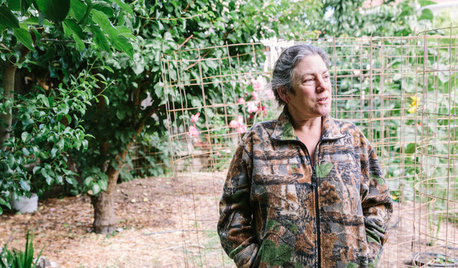
FARM YOUR YARDTo Get the Food They Believe In, These Urbanites Grow Their Own
Home gardeners farming on their city lots find that local, organic food isn’t the only reward
Full Story
MODERN HOMESHouzz Tour: Organic and Natural in an Island Cottage
Organic linens and an all-white palette create a refreshing summer home on a remote island
Full Story
The New Simplicity: Today's Style for Food and Home
Make yourself at home with a more relaxed style at the table — and in interior design
Full Story0

INSPIRING GARDENSFrom Concrete Lot to Gracious Organic Garden in Seattle
Plants, pests and even weeds have a place in this landscape, which offers an edible bounty and a feast for the eyes
Full Story
KITCHEN DESIGNKitchen of the Week: Organic Modernism in Seattle
Craftsmanship from top to bottom gives a linear kitchen overlooking Puget Sound a natural feel
Full Story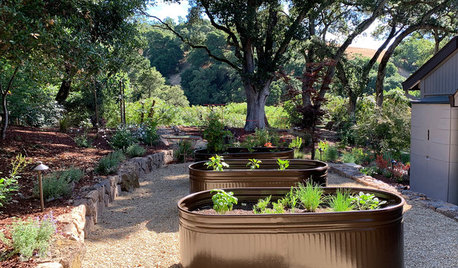
FARM YOUR YARD6 Things to Know Before You Start Growing Your Own Food
It takes time and practice, but growing edibles in the suburbs or city is possible with smart prep and patience
Full Story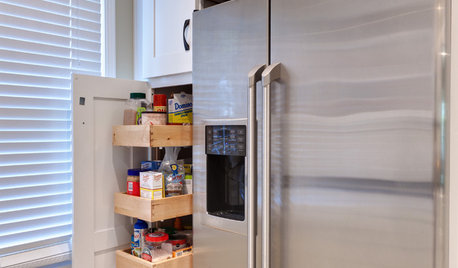
KITCHEN STORAGEPantry Placement: How to Find the Sweet Spot for Food Storage
Maybe it's a walk-in. Maybe it's cabinets flanking the fridge. We help you figure out the best kitchen pantry type and location for you
Full Story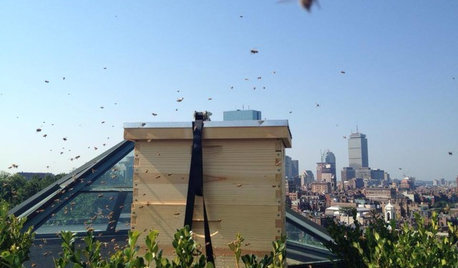
FARM YOUR YARDHello, Honey: Beekeeping Anywhere for Fun, Food and Good Deeds
We need pollinators, and they increasingly need us too. Here, why and how to be a bee friend
Full Story
KITCHEN DESIGNHow to Waste Less Food
Here are 9 relatively painless ways to throw away less food and stretch your grocery dollars
Full Story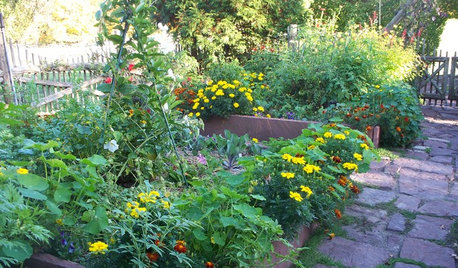
GARDENING GUIDESOrganic Matters: Thwart Insect Pests With Trap Crops
Add a few sacrificial plants to your garden to lure insects away from the harvest
Full Story
blfenton