What is and isn't doing well in your garden?
8 years ago
Featured Answer
Sort by:Oldest
Comments (27)
Related Discussions
Help, My Recurve Privet Isn't Doing So Well
Comments (3)Leaf spot disease of ligustrum is VERY common. Cercospora spp. or Pseudocercospora are the offending pathogens. Though the occurance of this fungal disorder can largely be prevented, it might require chemical intervention now that your plants are in trouble. Ligustrum only seems to become infected if they are planted in a location that they don't like....the most limiting factor is sunlight. I respectfully disagree with butterfly 's suggestion that these plants need a lot of water....they do not. They are highly successful in xeriscaping, readily adapting to life in hot, dry, sunny locations. I consider ligustrum suitable for those HOT, nonirrigated parking lot islands. Please call or visit your local extension office for chemical recommendations for Cercospora of Ligustrum. You will be able to find something appropriate at one of your garden centers. Mulch the plants and watery them until they are established. After that, let them be....See MoreHelp! My Garden Isn't Doing Well
Comments (13)If you are planning to add more organic matter, you should certainly make sure whatever you are adding is neutral pH or even slightly acidic to help your pH problem. But since you have a lot of organic matter already, I would concentrate on fixing the pH problem as a top priority. Just yesterday I used some soluble aluminum sulfate on some acid loving plants. It said you can dissolve it in water to use for container plants as well. Since we are having drought I did that for some shrubs. 1 Tbsp per gallon. You might want to find a small bag of this and use it for watering to see if it helps your plant growth. You can also use cheap distilled vinegar, diluted in a bucket. Only takes 1/4 cup per bucket to bring the pH down. It's probably the most temporary but since you're in the growing season, fast results are important. Sulfur is a good idea too, but it works more slowly since it is not soluble AND has to be metabolized into acid before it does any good. Sulfur is a good thing to dig into the entire bed before planting, or in the fall after your garden is done so it can cook during the winter and hopefully adjust the pH a bit. If anyone here has comments on the above, please chime in....See MoreFiguring the Balance Isn't Working So Well
Comments (10)Vicky, Boy, we are much alike. Funny you should ask about sleeping schedule! I wrote my post right before going to bed a couple of nights ago. Went to bed -- then got up 2.5 hours later! I did get some more sleep later yesterday, and did some more catching up last night, so I think I'm back on schedule. I had a bout of insomnia for most of this year that was fairly resolved when we went on vacation. Anymore, I don't even consider one bad night of sleep per week as insomnia, compared to those long bouts. I've really been taken with alternative containers, especially since I can get them free while trash picking or keeping up with our local Freecycle Network. (People ask for or offer items that would otherwise simply be trashed, but still have some life in them. To find your area's site check out this link -- http://www.freecycle.org ) Granted, some times I do pay for the containers, but, if you know where to go (we just hit our local Goodwill Stores for the first time last week, looking for containers and found two -- a beatiful ceramic one for our small bay leaf and a cheapo plastic wagon that will only last a year or two), you can get the 5-6 gallon containers, for free or for $.50-$4 each. Below is the link to one page of one of my websites that gives a long list of unusual containers, and where you can find those 5-6 gallon containers, although I forgot to mention that my Dad gets his by buying kits to make wine, and gives many of them to me, afterwards. (I may not have kids, but I still enjoy playing and thinking young. LOL) Of course, once you get into containers, soil can get expensive. I've been buying much of my soil in the fall, when the leftover potting soil is on sale. I also supplement it with last year's dead annuals and the stuff that just blows into the yard -- leaves, buttonwood fuzz, and soil that leaches out of the bottom of containers, each time I water. (Last one is only doable if you have concrete for a yard, so you can tell the soil from the ground. LOL) My compost is left in five gallon containers with a multitude of holes on the bottom and lower sides, so the pill bugs can find it and enjoy making it into true compost during the winter. Add to that, I buy sandbox sand, which is more sterilized then builder's sand, a big bag of peat moss, and a couple of bags of perilite, to stretch out the bought potting soil more and mix it in with used soil and new compost. "Don't plant more then you can do," is my biggest problem! Eight years later, and I still can't figure out how much I can do. LOL Fortunately, I must be one of the world's worse seed sower, since only about a quarter of the seeds I start actually sprout AND grow to maturity. LOL (Yes, I use seed starte soil and containers, so it's not a problem with Damp Off.) This year, I'm even having trouble growing lettuce from seed! Last year, it grew quickly and easily. Well, good thing I read some good advice given to an advice columnist, when she brought home a whole pick-up truck full of annuals, and then realized how much time would be required to plant them all. She just sat in the midst of them, feeling overwhelmed, when her next door neighbor found her. The neighbor picked up a single container, handed it to her, and simply said, "plant one at a time!" Duh, now! LOL I guess that is part of the secret, realizing that we'll never get any of it done, unless we just set our minds to dealing with just one at a time! But, you are right. I do feel badly that hubby became disabled, but I'm sure glad I get to see more of him then I used to. I generally don't have to worry about dinner. He's a great cook and does most of it with great enjoyment and great results (as demonstrated by our great girths now, too. LOL) One thing I have learned in the last 8 years, that only other people in our situation truly understand -- the house will not fall down, if all the housework cannot be completed. LOL Sounds like something else we have in common -- a reduced sense of what absolutely has to be done for daily chores. ;) I sure hope your daughter can visit occasionally, so the two of you can sit in the garden and simply enjoy what you have so far! That's part of why I love gardening -- the amount of time hubby and I sit back there in the summer through September and just watch the tomatos fruit, the birds enjoying the bath and seeds, and the variety of herbs and flowers, as we just take it all in silently together. Lynn Here is a link that might be useful: Young Buds in the Garden...See MoreNeed help - Bosses' Orchid isn't doing well
Comments (10)It is dehydrated, but I'm guessing not because it's underwatered since OP says it's been watered recently. Can you help us learn a little more about the orchid: What zone or where are you located in the world? What is the light level? What is the humidity level? How do you water (frequency and quantity)? Do you fertilize and if so, how much and how often? What is the temperature range in your location? Do you grow indoors or outdoors or both?...See More- 8 years ago
Related Stories

GARDENING GUIDESPacific Northwest Gardener: What to Do in September
Put in cool-weather veggies, fertilize your lawn and tidy the garden this month before chilly weather arrives
Full Story
REGIONAL GARDEN GUIDESPacific Northwest Gardener: What to Do in April
Get ready for annual flowers and watch out for snails to ensure a bountiful garden now through summer
Full Story
FALL GARDENING3 Chores to Do Now to Prep Your Garden for Winter and Spring
These basic moves will revive your soil, renew your tools and make for a fruitful harvest next year
Full Story
GARDENING 101What to Do in Your Edible Garden After the Summer Harvest
Set up your veggie garden to be productive and healthy year after year with this fall checklist
Full Story
GARDENING GUIDES10 Tips to Start a Garden — Can-Do Ideas for Beginners
Green up your landscape even if you're short on time, money and knowledge, with these manageable steps for first-time gardeners
Full Story
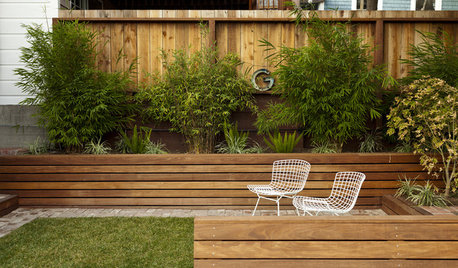
LANDSCAPE DESIGNSmall Garden? You Can Still Do Bamboo
Forget luck. Having bamboo that thrives on a wee plot just takes planning, picking the right variety, and keeping runners in check
Full Story
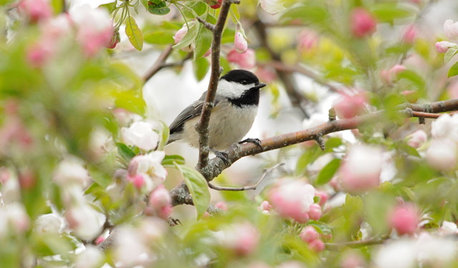
SPRING GARDENINGSpring Gardens Are Waking — Here’s What to Do in March
Excitement fills the air when gardens come back to life. These guides will help you make the most of yours
Full Story

COLOROrange in the Garden: Do You Dare?
Tangerine and other oranges are boldly cavorting from fashionable interiors to outdoor rooms. See some in-vogue examples here
Full Story
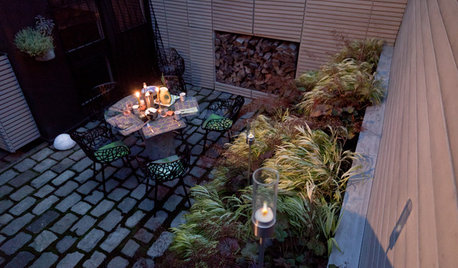
URBAN GARDENSCan-Do Design Ideas From 8 City Gardens
Look to urban rooftops, walkways and street patches for small-space gardening approaches that embrace what's nearby
Full Story
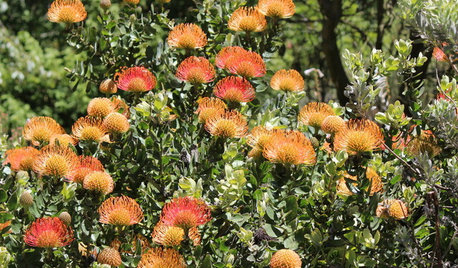
GARDENING GUIDESKeep Your Cool in the Garden — Here’s What to Do in August
Don’t let summer’s heat go to your head. These U.S. gardening guides will help you make sensible choices for all of your plantings
Full Story

Rosie