

Nestled Among the Spiders
8 years ago

Featured Answer
Sort by:Oldest
Comments (6)
Related Discussions
African spider plant repels spider mites on roses
Comments (10)I remember seeing this post or one similar to it a few months ago, and I did a bit of research, but I think that the African Spider Plant is NOT the one that most of us have grown as house plants at some point, and I also think that the number of them that would have to be planted in/around/among the canes of the rose would be an impossible and improbable task. The facts are correct (thank you Henry), but the implementation isn't actually going to do any of us much good.... IF I remember correctly, and now (I know I should have done it before I started this post) I'm going to trot off and do that research again.... Susan...See More'Scientist Suggests Carnivorous Petunias, Potatoes Among Us' - Fo
Comments (12)Hi it's certainly not listed as a CP in fact Not one mention of the habit in 3 languages lol I first noticed the resin about 2 weeks after germination.. Light amber in color no noticeable smell just incredibly sticky. Within a month it had caught it's first lizard. Noting that there was not one insect caught in the resin I took some ants and placed them on the leaves. They all jumped off immediately. It does seem to secrete more resin around the lizard but I can't detect any type of digestion. Don't you think that's interesting enough to rate a paragraph or two?? lol These trees are grown by the acre in S. America but seem to rare in the US. Schizolobium "Split lobes" refers to seed pods that divides in half at maturity. You can google "pavonia" on the bird catcher tree. Was used tby the native Hawaiiians to cath the tiny birds that made those beautiful robes. It is not listed as a CP either but is known that the tree utilizes the body for seed germination. Most of the writeups are on if the plant is native to "Hawaii" not it's growth habits. I'm not sure "Carnivourous " has a scientific definition?? I suspect that most epiphytic Bromeliads are carniverous but I think only 3 are classified as such. Those that store water have bunches of different creatures utilizing the water yet don't seem to be consuming the plant. If nothing else waste is being deposited in the water all the way up to birds. Since there is no "flush" must be using it?? lol gary...See MoreWhat's your preference? Tall, short, big, little, spider,etc...
Comments (20)I'm with lalalandwi, it is easier to say what I don't like than what I do....I like most daylilies. What I don't like is more about garden habits than anything else. -I don't like flowers that melt or fade severely in the sun/heat. -I don't like them if they have to have humidity to produce color. -I don't like them if they are all blotchy like thrips damage, water spots, or uneven overlay (unless it is stippling or broken color evenly distributed & that is part of the cultivars natural coloration and not damage) -I don't like flowers that won't open properly, whether that is canoed sepals, tangled ruffles, mangled edges, 3 days to open so the edges are melted, etc -I don't like flowers that don't produce bloom..a sea of grass with a couple specs of color is not my idea of a good garden plant. Low bud count is OK so long as it is accompanied by tons of scapes. That is sometimes just a fact of this climate. -I don't like flowers on scapes that fall on their faces -I don't like doubles that only partially double or are unevenly doubled, as in one stamen turns into a petaloid but none of the others do leaving a lopsided flower -I don't like flowers that hide in the foliage -I don't like huge flowers on short, bity scapes or tiny flowers on super tall scapes- the scape & flower need to match each other in proportion -I don't like stuff that blooms and then immediately goes dormant, loosing all foliage until late summer, like blooming took every ounce of effort the plant could muster -I don't like yellow, weak, spindly foliage, even if it is intolerance to our alkaline soil. I will tolerate some (read moderate) leaf streak since hail and/or late frost damage is so frequent here and that is a inducer that can't be avoided. -I don't like a plant that rots fans following transplant. They need to tolerate division & replanting like champs. -I don't like plants that aren't hardy in arid, windy, freeze/thaw, z5 conditions Other than that, I like them ALL....See MoreWhy did Spider Plant "Boonie" become Green Spider Plant?
Comments (36)The rhizome contains genetic information that will duplicate the parent plant. when you take a leaf cutting, the whole reproductive process changes. Just one cell from either I, II, or III will begin the rooting process but that one cell only contains the genetic material coding for whichever layer it comes from. The rhizome contains all of the genetic information from the parent, instead of having to start from scratch at just one type of cell. many African Violets are this way, chimeras. You can reproduce the plant only if you have a full crown (with all the genetic information, including the mutation) but if you take a leaf and try to propagate a new plant, it will not be true to the parent and will lose some of that genetic coding along the way. The cells in the leaves are very simple. They are to do one thing, and one thing only. Now, the cells in the dormant buds contain a different type of cell, one with much more potential than just a leaf cell. imagine it as if the dormant buds are similar to human stem cells, they can grow into almost any type of organ or tissue. Humans can't regenerate limbs (or bodies) so that example has to stop there lol. But with starfish (sea stars!), they can grow a limb back, but if a limb is ripped off, unless it has part of that central core (body), then the arm cells don't have enough genetic information to create a new body. The difference is the TYPE of cell used in starting the plant, whether it's a "stem cell" that holds information for the whole plant or just a leaf cell that is specialized and only holds the genetic information for its layer of leaf cells. That's probably going to be really confusing. It was kind of all over the natural world lol. I love biology though, so I enjoy our conversations!...See More- 8 years ago
- 8 years ago
 8 years ago
- 8 years ago


Related Stories
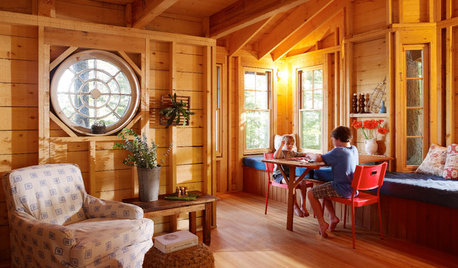
GUESTHOUSESA Hideaway for All Ages Perched Among the Trees in Maine
A modern Adirondack ‘treehouse’ is designed as a place for playing games, reading, sleeping over and enjoying forest views
Full Story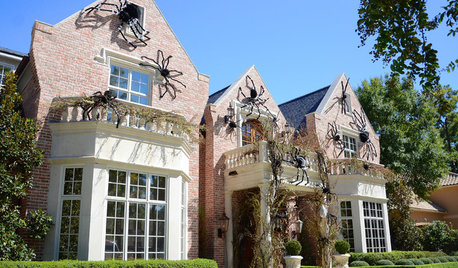
FUN HOUZZSurvey Says: We’re Scared of Being Home Alone — and Spiders
A new Houzz survey reveals that most of us get spooked in an empty house. Find out what’s causing the heebie-jeebies
Full Story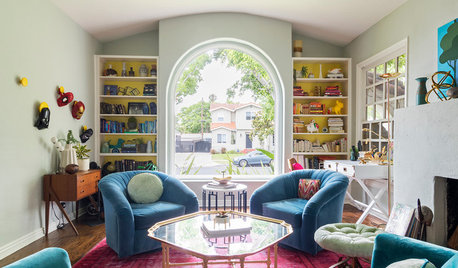
COLORFUL HOMESHouzz Tour: A Colorful L.A. Home Designed Among Friends
See how a 7-year-long decorating story created a home that’s just right for this family of 4
Full Story
PLANTING IDEASPlant Your Hardscape for Unexpected Green
Nestle greenery among pavers, steps and more for a yard brimming with life and creativity
Full Story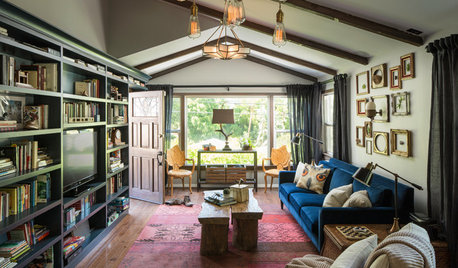
ECLECTIC HOMESHouzz Tour: Good Vibes for a Hollywood Couple in Laurel Canyon
Actor Ian Harding and artist Sophia Hart’s personalities shine in a house nestled in the trees
Full Story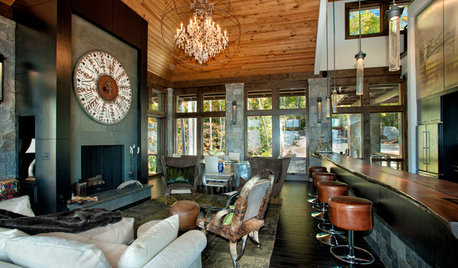
CONTEMPORARY HOMESHouzz Tour: Modern Meets Mountain in North Carolina
Tucked among the trees in the Blue Ridge Mountains, this summer home for a family celebrates its setting
Full Story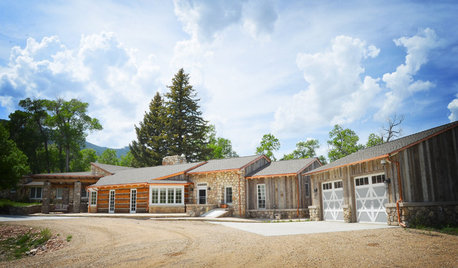
HOUZZ TOURSMy Houzz: Renovated Dude Ranch in Wyoming
Nestled in the Wyoming mountains, this idyllic getaway honors its natural surroundings and dude ranch history
Full Story
DECORATING GUIDESKnot Again! Macrame Is Back
It's happened. A craft that typified 1970s style (the owls, the spider plants!) is back, but better
Full Story
TRENDING NOW8 Ideas From the Most Popular New Bedrooms
Turning newspaper into wallpaper and electric cords into light fixtures are among the clever ways to boost your boudoir
Full Story
HOUZZ TOURSHouzz Tour: Modern Treetop Living in Sydney
Encouraging connections and calm, this Australian family home among the trees is all about subtlety
Full StorySponsored
More Discussions

FeatherBee