

Is this bugs or fungus?
8 years ago
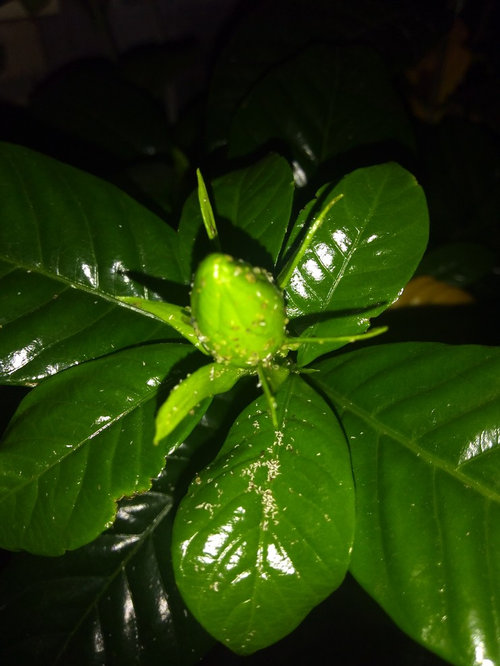
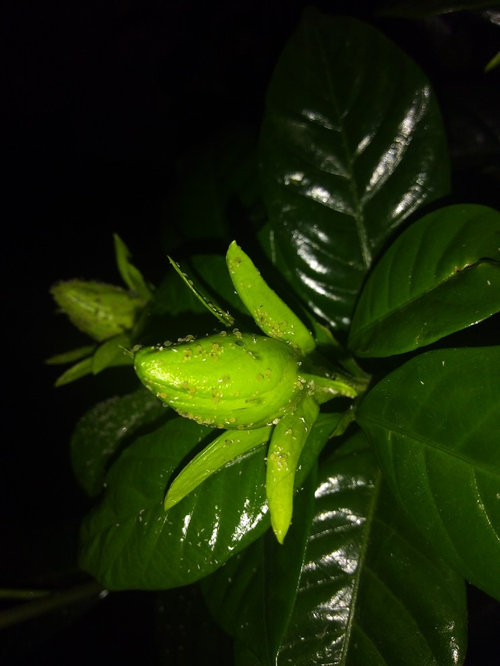
Featured Answer
Sort by:Oldest
Comments (6)
 8 years ago
Related Discussions
bug or fungus ?????
Comments (2)As an older cultivar, Santa Rosa plums remain susceptible to plum leaf scald. This disease occurs when bacteria is introduced to the plant by leafhoppers, a plant-feeding insect that thrives on wild plum trees. One way to avoid the disease is to remove any wild plum trees located within several hundred yards of the Santa Rosa plum about to be planted....See MoreBug or Fungus Damage?
Comments (11)Thanks a lot for the advise! It helps greatly to know what I'm dealing with. The planting bed these are in are primarily for fruit trees. I am adding flowers to make it prettier. This particular planting bed gets a lot of volume of runoff water during storms. The soil is very fast draining - I have sugar sand soil, and I actually have to amend it with compost so the edibles get enough nutrients. So adding additional sand wouldn't change anything - it is nearly all sand already. It is very interesting, I am finding that here in FL that there are some plants that can take quite a lot of moisture if they have a cool root run (here that means shade), but absolutely cannot tolerate hot+damp roots. Hippeastrums seem to be one of them. Another is agapanthus. I have hippis in other spots of my yard that get just as much storm water runnoff, but they are in shade, which seems to make a large difference. This particular one I think was a belated casualty of hurricane Sandy, which dumped quite a lot of rain as it passed. On the plus side, rain lilies seem to flourish in this location, in fact my candidas are still blooming even this late in the year! They like the periodic drenchings. I've moved what is left of those seedlings to a spot agapanthus does well in, so hopefully they will do better now. I was worried that if it was an insect that moving them might spread the problem. If it is a drainage problem, then moving them should be safe. Thanks for the help!...See MoreIs this a bug or fungus???
Comments (6)krea, you have the very typical camellia Tea Scale, and a bad infestation!! But horticultural oil sprays may be difficult in your area at this time of year. Daily temperature is not so much of an issue, as the oils remain on the foliage for several days. (Thus, spraying on a cool morning is moot.) However, there are SUPER FINE oils, or summer oils, that may be useful to you. When out shopping, become a good label reader. If a product should not be applied to foliage in your climate, there will be a warning about it. Neem oil is becoming more and more talked about as a successful pest control agent. I would surely look into that. By the way, the tops of the leaves are not fine! That mottled appearance on nearly all of the leaves is the sign that you have a very serious insect infestation. Not the 3rd image, that is something else. The tiny scale insects are taking all of the good stuff out of the camellia leaves, cell by cell! Even if we don't take notice of the growing insect population on the underside, that yellow mottled appearance is a big warning. Tea scale is very difficult to get rid of, but with persistence you can do it. I'll wager that you will never entirely be rid of it, however. Luis, by the way, there are many different kinds of insects that cause black sooty mold besides aphids. Tea scale, being one of the armoured scale, is not one of them. ooooEEEE, krea, you would be in a fine mess if THAT were the case!...See Morebugs (spittle bugs?) and fungus..
Comments (2)Wow Bird Wing- that is alot of different sympoms on alot of plants! The spittle bugs are kinda gross- but I havn't had perminant damage done by them- So I kinda just let them be- I don't know what would be good for them- And holly hocks- well- the only ones I have ever had that didn't attract pests were in full brutal sun- too much for the pests to deal with I think- otherwise any grown in part shade have had the most varried bugs and blights attracted to them- I have almost given up on growing them as I do not like all the chemicals I would need to use on them to keep them healthy- but I will try again this year- in full brutal sun! Phlox also succumb to mildew- which can cause the tips to bend and shrivle- but usually you can see the powdery black mildew on the leaves before the tips are damaged- my phlox wilt when they get transplant shock- or if they get too dry while the initial growth spurt is still going on- maybe they need more water- or amended soil- or mulch- but be sure to water in the am so they are dry when it cools down for the evening- also be sure there is good air flow around these guys- as with monarda and roses- I think the mites are maybe aphids- some folks say a hard spray of water will knock them off- or a good covering of dishwashing suds will kill em- or a pyrethrum spray of even more chemcals are what I know of that may help this problem- Be very careful with the fungus problem. It will spread! Do not allow diseased plant material to return to the soil in the garden or the compost bin- throw it in your trash bin- .do not use the affected plant as mulch- swipe any tools you may use on or near that plant with rubbing alchohol before using on another plant. I dimly seem to remember not to try to replant the same plant in the same area as the fungus spore will lay in the soil and can continue to damage the new plant- I am sure others know more than I on this- but I have had problems in the past with this myself. There is definatly a learning curve to gardening- and sometimes- what I end up learning is that I won't even try to grow that ever again- like the hollyhocks - If they won't grow by my "rules"- few or no chemicals- and otherwise almost total neglect- I can't baby them along- I have too much on my plate to spend coddeling all the plants in each bed- I stll have many wonderful plants to enjoy- but not the ones that cause worry stress and heart ache- I can appreciate the plants I cannot/will not grow in others gardens- and be happy for them- I do hope your garden woes become victories soon- Julie...See More- 8 years ago
 8 years agolast modified: 8 years ago
 8 years ago
- 8 years ago

Related Stories

EDIBLE GARDENSGarden BFFs? Why Your Vegetables Are Begging for Companion Plants
Foster friendships among plants for protection from pests, pollination support and color camaraderie
Full Story
GARDENING GUIDESWhat Kind of Roses Should You Grow?
Want to add the beauty of roses to your garden? Find out which ones, from old-fashioned to modern, are right for you
Full Story
HEALTHY HOMEWhat You Need to Know About Dust and How to Fight It
Breathe easier with these 10 tips for busting mites, dander and other microscopic undesirables
Full Story
HOUSEPLANTSIndoor Winter Gardens for Cheerier Days
Bring plants inside for drab-days mood boosting — not to mention cleaner indoor air and protection for your greenery
Full Story
MOST POPULARHow to Get Rid of Those Pesky Summer Fruit Flies
Learn what fruit flies are, how to prevent them and how to get rid of them in your home
Full Story
WINTER GARDENINGPruning Secrets for Exquisite Roses
Encourage gorgeous blooms year after year with this time-tested advice on how to prune your rosebush in winter for health and shape
Full Story
GARDENING GUIDESCommon Myths That May Be Hurting Your Garden
Discover the truth about fertilizer, soil, staking and more to keep your plants healthy and happy
Full Story
GARDENING GUIDESNew Ways to Think About All That Mulch in the Garden
Before you go making a mountain out of a mulch hill, learn the facts about what your plants and soil really want
Full Story
GARDENING GUIDESHow to Keep Your Citrus Trees Well Fed and Healthy
Ripe for some citrus fertilizer know-how? This mini guide will help your lemon, orange and grapefruit trees flourish
Full Story
HOUZZ TOURSMy Houzz: LEDs and a Living Wall Color a Minimalist Slovakian Home
Thanks to a modern overhaul, this small Central European apartment is now a testament to efficiency and thoughtful design
Full Story
donna_loomis