

Northern Cardinal with a large tick on his face
8 years ago
Featured Answer
Sort by:Oldest
Comments (10)
 8 years ago
- 8 years ago
Related Discussions
What happened to the cardinals?
Comments (9)Dorothy, I'm inclined to think that the long, cold spring was hard on them. We still were having freezing temperatures sporadically as late as the first week in May, and I am willing to bet that had a negative impact on their population. Bird populations do fluctuate naturally on their own too, although I think that the cardinal population here at our place does not fluctuate nearly as much as the population of some other birds. Other possibilities would include: ---heavy spraying of chemical pesticides aimed at pests like grasshoppers in your geographic region, even if you are not using chemical pesticides yourself. When the farmers and ranchers around us spray their pastures heavily because of a severe grasshopper infestation, our bird populations drop fairly quickly, and I feel certain the two are linked. ---as odd and counterintuitive as this will sound, some bird populations drop during years in which there is big cicada hatch. You'd expect the population of birds to soar since there are so many cicadas to eat, but that's not what happens. So, if you had a large number of cicadas this year, they could be responsible. Discovery magazine had a blog post about the relationship between the cicada population and the bird population back in either the summer or the fall. If I can find it, I'll link it. I don't think it offered any conclusions about the relationship between an increased cicada population and a decreased bird population, but it was an interesting article. As for the question of diet, I put out a blend of several different kinds of seeds and have cardinals there eating no matter what is in that mix. If I only put out cracked corn for the doves, I'll find cardinals eating the cracked corn. If I put out sunflower seeds or a wild bird mix that includes sunflower seeds, though, I'll have tons more cardinals. So, I find it hard to imagine that they are staying away because you've been putting out only sunflower seeds. If I don't put out anything at all, they go to the chicken run and eat hen scratch. While they seem to prefer sunflower seeds, they will eat whatever is available. I've never had them disappear because all that I put out was sunflower seeds. We had a lot of cardinals this summer, as we almost always do, but seem to have fewer now. One odd thing I have noticed is that the males are feeding at a spot on the edge of the woods where I normally feed deer, rabbits and squirrels. The females are feeding at a spot just outside my kitchen window where I put out a general songbird blend plus extra sunflower seeds. They are not always as segregated by sex as they have been this fall and winter, and I don't know why it is occurring. I guess the male birds did something stupid (grin) and the females are mad at them and are refusing to be seen in public with them until they straighten up and fly right, pun intended. Some years when we have a higher population of small predators, like bobcats and foxes, the bird population really seems to drop I don't know that the bobcat and fox population is up this year, but the bird population seems like it is down a little bit. We're having more trouble with the population of predators that are larger than bobcats, but I don't know if those larger predators bother with birds. If they are not showing up to eat anything/everything you have out for them in this cold, snowy, icy weather, I am inclined to think the population is at a down cycle and not that they don't like the food you are offering. Dawn Here is a link that might be useful: Discovery Blog Post: Cicadas/Birds...See Morecardinal attacking window
Comments (5)We had the same thing happen to us, but it was a male. We put in a new window on the side of our house, and a male cardinal flew into the window and 'attacked" it repeatedly... it went on all day long for months. I printed out a picture of a hawk and taped it to the window... that didn't help. Perhaps the size wasn't right or I picked out a wrong hawk... or my cardinal was too smart. My husband eventually put up some chicken wire on the outside of the window.. that stopped him. We left it on for a few months. The cardinal stayed away. We thought we were ok to take it off and when we did the cardinal came back, lol. I am not sure what was the reason... I thought perhaps the male saw his reflection and thought he needed to attack another cardinal? Not sure.. but in any case, he hasn't come back in the past year and I"m happy to not have chickenwire on my window....See MoreOverwintering cardinal flowers in zone 6a
Comments (46)Well, whether or not they come back l plan on buying about 6 new Cardinal flowers at the upcoming native plant sale, and judging from last year there should be an abundance of L. siphiticas emerging in the garden this year. It's good to roll with what's going on and keep enjoying the marvelous things happening in the plant world. There are a lot of really cool plants that don't have any problem coming back. I had a Dutchmans Briches plant pop up where none were ever planted and I'm thinking it came from a seed that was decades old from a time when they grew in my neighborhood before it was "developed". You are all beautiful!!!!! For Milo and Sudan!!!!!!!...See MoreInteresting link: ticks, turkeys, songbirds, pollinators
Comments (5)I know that the original article was a perspective and not fact, and thanks for the second article because it's great to have two perspectives. I still appreciate that people are trying to look outside the box and find how all the facets of nature work together. I would imagine if we had more predators of the hosts mammals around that would be a great thing to get rid of deer ticks, but that' won't happen anytime soon in our populated areas! Many many variables to consider for all issues. I'm just glad we're learning that some of our "simple fixes" in nature aren't that simple, like culling all the wolves from the Rockies, or pesticides to kill bugs on crops. It seems like we're starting to learn that as soon as we figure something out, something else surprises us. But, as you all said, that certainly does mean too many myths and assumptions pop up. Sped, that run-down Boston apartment thing cracked me up. Yes, they do live in the north when they find buildings old enough in the city. The stereotype my northern parents had when we moved to the south was that roaches were ONLY an indication that you lived in the city in less-than-ideal conditions. In the south, roaches are an indication that you live in the south, and that's that. The first time my very clean mother saw a roach in our house, she climbed onto a chair and called my father at work, sobbing. He actually drove home from work and they killed the roach together. Fast forward several years to where she could practically smack them with her hand. She was ultra clean (but not to the point that we weren't comfortable living in our own home) and has a bug man every month without fail come, but they're a permanent resident of every southern home....See More- 8 years ago
- 8 years ago
- 8 years ago
- 8 years ago
- 8 years ago
- 8 years agolast modified: 8 years ago
- 8 years ago

Related Stories
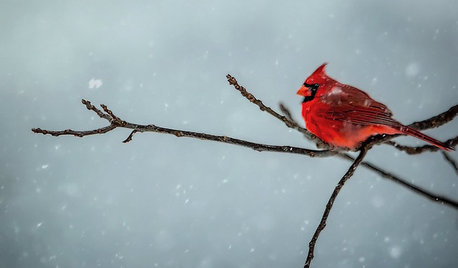
GARDENING GUIDESBackyard Birds: Northern Cardinals in the Snow, and Other Red Birds
Brilliant crimson feathers make these friends stand out in a crowd
Full Story
HOMES AROUND THE WORLDHouzz Tour: In Northern Italy, Vintage Patina and Industrial Chic
An architect renovates his family’s century-old home with original materials and an updated design
Full Story
CONTEMPORARY HOMESMy Houzz: Living Simply and Thoughtfully in Northern California
Togetherness and an earth-friendly home are high priorities for a Palo Alto family
Full Story
GREAT DESIGNERSCan You Match These Faces With Their Famous Designs?
Architects' portraits are less familiar than their iconic designs, but take a good look — you might see a connection
Full Story
IN CASE YOU MISSED ITIn the Face of Disaster, Architects Are Redesigning Their Role
An energized focus on disaster recovery and resilience is driving new approaches to home design
Full Story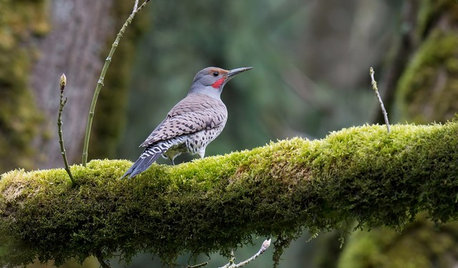
GARDENING GUIDESBackyard Birds: Healthy Home Habitats for Northern Flickers
These colorful woodpeckers found across the U.S. and Canada love berries, seeds and ants and often nest in deep burrows in trees
Full Story
HOUZZ TOURSAn Architect Designs a Passive Home for His Family
This pro puts energy-efficient principles into practice in his weekend home in Long Island, New York
Full Story
PETS5 Tick Safeguards for Your Yard
In honor of Lyme Disease Awareness Month, here are small tasks you can do to help protect pets (and people) year-round
Full Story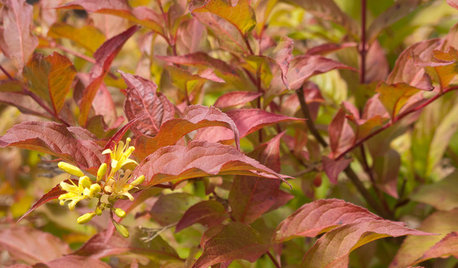
GARDENING GUIDESGreat Design Plant: Northern Bush Honeysuckle, a Bronze Beauty
It helps control erosion and takes sun or shade. The butterflies love it. But the best part of this shrub may be the vivid foliage
Full Story
DREAM SPACESA Northern California Tree House Makes Memories
Designed with utmost respect for the tree cradling it, a cozy house gives overnighters an experience to cherish
Full StorySponsored
More Discussions
catherinet