

cascading plants for the sun and part sun
9 years ago
Featured Answer
Sort by:Oldest
Comments (9)
 9 years ago
 9 years ago
Related Discussions
Is my area full sun or part sun?
Comments (2)I have a similar spot and I plan on choosing plants that are labeled as Sun to Part Shade. Like the other poster mentioned you need plants that can do well in full sun because the sun they'll get is strong and hot, however they do not get a long enough amount of sun as is needed for plants that require full sun. So far I've tried planting asiatic lilies, foxglove, purple coneflower, dianthus barbatus, and a butterfly bush. The coneflowers where grown from seed so they should flower this year, from what I know about them they should do good in this situation. The butterfly bush had been in a pot too long and transplanted too many times by the time it found it's home there so It hadn't bloomed the last 2 months of summer, so we'll see if it does better this year. I have noticed they need a lot of sun though, so maybe not. The dianthus again was seed started so I won't see blooms until this year, but the foliage was very happy growing there. The foxgloves did not do well there, they bloomed well but the leaves were all burning up and in the fall I moved them to a spot in afternoon shade. Asiatic lilies did well but the flowers tips started fading the day after opening and did not last long at all, so I'm going to say they aren't a good candidate. In the fall I planted some bareroot daylillies there and I have high hopes for those. If you like daylilies I think reblooming tpes like stella d'oro would be best, so you'd have flowers from them for a while. The ones I tried are called purple d'oro because yellow is my least favorite color for flowers, but those d'oros are impressive! Again there might be the problem of the flowers fading much faster with the hot afternoon sun blazing on them, but some varieties claim to be more sun resistant than others, so you can go with those. I found one claim from 'Frankly Scarlet' which I will have my eyes out for at the garden centers. Also I think Rudbeckia may work there as well. Just remember the short amount of sun will cause plants to come into season much later so stay away from things that normally don't bloom until fall or they probably won't bloom before frost kills them back. I found this out the hard way....See MoreFull Sun or Part Sun/Shade?
Comments (3)Where you are, if your "part sun" can be made into afternoon shade, then that might be the best. Full sun in hot areas with containers means dedication to keeping up with the watering - often 2x per day - particularly if the plants are in smaller pots and the plants are loaded up with fruit. I think a number of folks in the hot west and south have created structures with shade cloth to give the plants some reduced sun at midday and in the hot afternoon. If anything, it would help keep the fruit itself from getting sun scald....See Moreseeking advice for lawn alternative sun/part sun
Comments (53)I think it's amazing this thread went on so long with no mention of St Augustine. UC Verde and all the other buffalo and prairie grasses are for full sun. Kikuyu is one of the most invasive imported pest plants short of kudzu. The others mentioned are ground covers that do not repair themselves. Dichondra will die annually from flea beetle. They wipe it out faster than you can diagnose it, but it returns from seed. Fescue, in my opinion should be formally outlawed in CA unless you live west of the 5 in San Diego and Orange counties and west of the 405 in LA. North of the 10 it can be grown on the west slopes of the coastal range, but not in the valleys. St Augustine is a real turf grass, unlike many of the alternates mentioned. It spreads to repair itself under the dog feet, is very shade tolerant, also sun tolerant, and it will crowd out other grasses when mowed at the mower's highest setting. St Aug comes as pieces of sod on a pallet. Cost is about a dollar per piece covering about 2 square feet. It spreads 10 to 15 feet per year in all directions, so if you don't cover the entire area at one time, it will take over and cover for you. St Aug takes as much water as any turf grass if you want it to remain green. If you stop watering it for more than a month, it might die completely, so it differs from other grasses in that regard. But I have revived it from beyond the grave at my my new residence in the Texas Hill Country. St Augustine is considered to be a water hog, but that is pure myth. All grasses need 1 inch of water, once a week, in the hottest heat of summer. This goes for the cool season grasses in the north and the warm season grasses in the south. In Phoenix both bermuda and St Augustine need 1 inch every 4-5 days, but in the rest of the country it only needs it once a week. This time of year in your area you should be watering 1 inch, all at once, every 2-3 weeks. The problem with fescue is it needs water 3x per week in the summer and that dries up your aquifers and lakes. Not sure why you think you have clay, but you likely don't. I don't recall any brick factories in your area, so I'm skeptical. After 12 years of moderating three lawn forums, fewer than 10 writers really had clay. Your soil might have clay like properties, but those can be fixed. Even real clay can be fixed, but you have to have a good soil test along with a good reading of the soil test before you can fix it. 9 times out of 10 people who think they have clay have no clay at all but they do have fine silt and a salt imbalance (calcium, sodium, magnesium, and potassium). You can't know what the problem is without the chemistry test. A secondary issue causing hard soil is allowing the soil to dry completely such that the beneficial microbes in the soil are depleted and unhealthy. That can be fixed by spraying the soil with any clear shampoo at a rate of 3 ounces per 1,000 square feet. Follow that with 1/2 to 1 inch of water and let it go for 3 weeks. At the same time feed the soil with an organic fertilizer like alfalfa pellets, corn meal, soybean meal, or even Milorganite. Compost and/or manure won't do the same thing as the fertilizer. The deep moisture creates a perfect environment for the microbes. The organic fertilizer feeds them. Hard soil is easy to fix. The best soil test in the US is from Logan Labs in Ohio. Yes, it's been tested against all the other labs. Get their $25 test and post the results on the Lawn Care forum and you'll get about $250 worth of free advice from people who know specifically what to apply, when, how much, how often, and where to get the stuff. If you want to see some alternate grasses in action, visit Descanso Gardens and the Huntington Library in Pasadena....See MoreHELP! Part-Sun/Sun Companion Plants
Comments (8)I agree to use grasses and to cluster the Heuchera together. From pictures it looks like Zipper has orange and reds, so if you want to keep that trend, I'd populate the area with orange/red/yellow bulbs mixed around the grasses and then a medium sized Echinaceas that will bloom after the bulbs are done (you can do orange, yellow and or reds if you want to keep the same palette as the bulbs). You can use blue switch grass and yellow Echinacea. Or green grass with red and pink Echinacea....See More- 9 years ago
- 9 years ago
- 9 years ago
 9 years agolast modified: 9 years ago
 9 years ago
 9 years ago
Related Stories
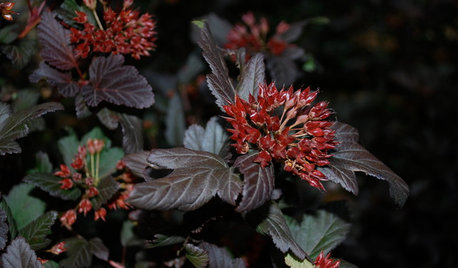
LANDSCAPE DESIGNGreat Design Plant: Sun-Loving Ninebark Puts on a Color Show
This tall, dark and handsome native shrub is equally at home in jeans and boots or in a suit and tie
Full Story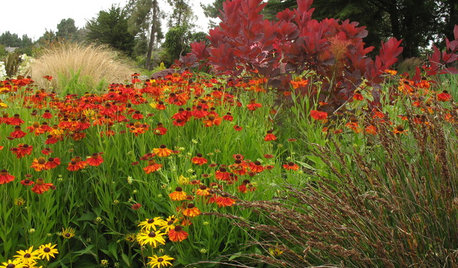
PLANTING IDEASGreat Garden Combo: 5 High-Intensity Plants for High-Intensity Sun
Blend bold foliage and flowers to create a powerful combination that will hold its own even in the harsh light of midsummer
Full Story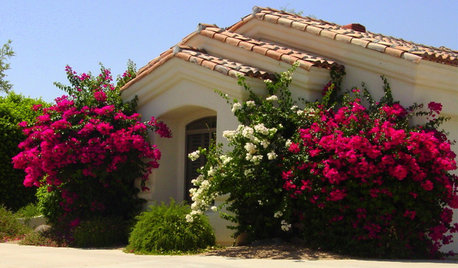
LANDSCAPE DESIGNGreat Design Plant: Sun-Loving Bougainvillea Showers Yards With Color
Bring unbeatable vibrancy to a garden or wall with this unfussy and trainable shrub packed with colorful bracts
Full Story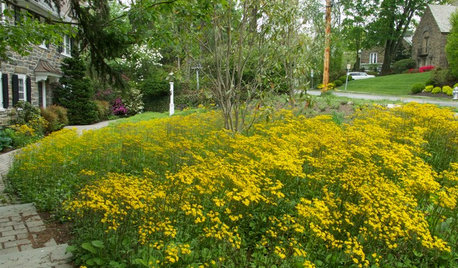
GARDENING GUIDESPackera Aurea Puts On a Springtime Show in Sun or Shade
This vigorous native ground cover welcomes bees with its early-blooming flowers and makes an attractive lawn alternative
Full Story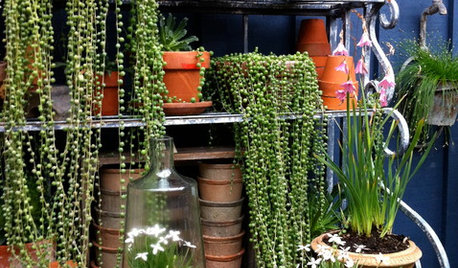
HOUSEPLANTSCascading Succulents Bring Fun Shapes to Your Indoor Garden
For eye-catching spillers with delicate beauty and minimal needs, it's hard to beat these 2 trailing houseplants
Full Story
HOUZZ TOURSHouzz Tour: Family Builds Off the Grid Near the Cascade Mountains
Homeowners carefully construct a weekend home on 20 acres in remote northeast Washington
Full Story
HOMES AROUND THE WORLDHouzz Tour: Sun-Soaked Bungalow Inspired by a Japanese-Style Bath
A concrete soaking tub in the master bathroom is part of a new addition to the California-style house in Australia
Full Story
PLANTING IDEASGreat Garden Combo: Tropical Beauties for a Sun-Drenched Border
These standouts hold up in drought, heat and humidity — and their good looks hold up to scrutiny
Full Story
GARDENING GUIDES10 Drought-Tolerant Shrubs That Thrive in Full Sun and Reflected Heat
Got a hot spot in your garden where plants often die? Try these tough shrubs that add beauty while shrugging off the heat
Full Story
GARDENING GUIDESGreat Design Plant: Juniperus Conferta ‘Golden Pacific’
‘Golden Pacific’ shore juniper shines in sun or partial shade
Full StorySponsored
More Discussions
WoodsTea 6a MO