

to Cultivar or not to Cultivar?
9 years ago
Featured Answer
Sort by:Oldest
Comments (12)
 9 years ago
- 9 years ago
Related Discussions
conifer cultivars
Comments (0)I have these small gallon size conifer cultivars to trade for conifer cultivars, Japanese maples and beech cultivars. Please e-mail what you have to trade. Abies koreana 'Goldener Traum' Abies lasiocarpa 'Kenwith Blue' Abies nordmanniana 'Aurea' Abies x vilmorini Picea abies 'Frohburg' Pinus nigra 'Aurea'...See MoreAre cultivars considered native? What about hybrids?
Comments (0)Posted by: JMLehrer z6-7 NY/CT on Sun, Aug 18, 02 A hybrid species occurs when two species from the same genus cross (there are also rare intergeneric hybrids). As an example cross something like Hamamelis mollis and H. japonicum to get H. x intermedia, or Pardanthopsis and Belamcanda to get x Pardancanda. A cultivar is simply a plant selection isolated and perpetuated in cultivation by humans due to the plants superior characteristics (example: Pyrus calleryana 'Bradford'). It should be noted that hybrids may be created artificially (Taxus x media), but many also occur NATURALLY in the wild where the ranges of two closely related species overlap (Dryopteris x australis). Cultivars may be produced through focused plant breeding OR through a sharp eye that spots unique plants growing in the wild. Plants that fit into the latter category may be called "native", those in the former group are of "garden origin". Again, the question of nativity is a personal issue -- some folks would scoff at the idea of including Cosmos in a New Jersey garden of native plants. Mexico and New Jersey may be contiguous, but they are worlds apart. Posted by: Elaine_NJ6 on Sun, Aug 18, You are always best off planting a SPECIES that is native to your area. A named cultivar of a native species is the next-best choice. I would not knowingly plant a man-made hybrid or nonnative plant (meaning a plant that did not grow in this part of NJ about 300 years ago). Although plants hybridize freely in nature, that's nature, and those plants can take care of themselves (or not--nature has many failed experiments). We should not be producing hybrids or purposely growing them. For just one reason, they are frequently sterile (Coreopsis "Moonbeam" is indeed sterile), so if you're growing plants because you expect their fruit or nectar to attract wildlife, hybrids will not do it. Growing such plants will not help restore the balance of nature, and I think that our gardening should do just that. Posted by: Apcohrs z5 IL (My Page) on Sun, Aug 18, 02. In some cases, a named cultivar may be 'superior' to the unselected species: a named cultivar will never have been pillaged from the wild, but rather will have been nursery propagated. Just a note: hybridization rarely results in sterility. Sterility is more often a result of dioicious flowered plants missing a mate or from self-sterile plants - both are conditions imposed by Ma Nature. Now DOUBLE flowered cultivars and/or hybrids MAY be (but are not always) sterile due to the fertile portions of the flower being expressed as extra petals. (This phenomenon occurs spontaneously - the result is then propagated vegetatively. You certainly cannot breed for double flowers from sterile double parents.) * Posted by: bruceNH z5NH on Mon, Aug 19. Everyone should note that you can have a hybrid cultivar from crossing two genetically different plants or two inbred lines. These hybrid cultivars can show hybrid vigor but will not produce themselves from seed in the next generation. You have to asexually reproduce or do the parent cross again. Seedlings from a hybrid cultivar will segregate to resemble a parent. Pure lines of a plant are self-pollinated or are genetically the same plant. These pure lines come true from seed. You can have a pure line cultivar. These plants are homozygous, and homozygous plants for the most part resemble their parent. You can have two different lines of the same species cultivars that are similar and when combined produce a multiline. And then there is the synthetic cultivar. This is a cultivar made up of two genetically distinct lines that are similar and are allowed to cross-pollinate at random. This information is from "Plant Propagation, Principles and Practices", by Hartman and Kester. The reason I bring this up is to show how complex a hybrid, cultivar, clone or a pure line of plant can be. You cannot discuss a plant with out getting into its history and methods of the plants sexual reproduction cycle. Kalmia latifolia is a good example. You can find different pure lines in nature that have different flower colors and growth habits. These plants grow in a colony by themselves and are different. They will produce the same plant from seed. Then you have a random plant in a colony of plants that is different from all the surrounding plants. This plant will not produce the same plant from seed. They all are Kalmia latifolia though. You could call both a name and have two cultivars of Kalmia latifolia. One would be a pure line, one would be a clone. Until you start working with the genetics of a genus and its species it is hard to understand what the genetics of the cultivar is. Some are very simple some are very complex. In the wild variations occur, this why we have subspecies and why the study of plants and naming never ends. Seems to me that the question of this thread is about hybrids, and if a hybrid is produced by man (or women) should it be included in a native planting. Interesting question. Pure line cultivars I believe should. Freak one-of-a-kind clones? If you are to plant native should you not be after the best representation of that species and not a hybrid or clone?...See MoreGrafting Onto (Mostly) Invasive Field Stock
Comments (14)Again, apples/pears - easy-peasy. I routinely graft good fruiting varieties onto 'volunteer' callery pear and crabapple seedlings popping up around the farm, courtesy of the birds. If you've got hawthorns... you can graft on fruiting selections... I have a number of mayhaws on native cockspur hawthorn - but they may not be suitable for a zone 5 setting. Have also grafted pears onto hawthorn understock - have one 'survivor' that's getting close to 15 years old now... Have seen reports that some serviceberry selections are sold grafted onto hawthorn understock. Mulberries - absolutely - good fruiting varieties are easily grafted/budded onto seedling understock. Walnuts...toughest thing I've ever grafted, with regard to success rates, but it can be done; just don't get disappointed with early failures. Shagbark hickory best for improved shagbark selections... as cuz'nFloyd said, it is graft-compatible with pecan, hican, shellbark, but those will outgrow the slower-growing shagbark understock. Persimmon? With all the others you've mentioned, surely you've got volunteer persimmons, too - seedlings work fine as understocks for improved fruiting selections. Osage Orange - will support the edible Che fruit (Cudrania tricuspidata). Don't forget about oaks; low-tannin, large acorn, or extremely productive selections have been made. Members of the white oak group graft readily onto other members of that group - though post oak (Q.stellata) is generally so slow-growing that it's not recommended as an understock. Red/black oaks can be grafted, but some issues with incompatibility are common. This post was edited by lucky_p on Wed, Dec 17, 14 at 0:01...See MoreCreating Toxic Cultivar
Comments (2)I think you already got several answers explaining how this doesn't happen in your duplicate post of this over on the Vegetable Gardening forum here. Hope they answered your questions. Dave...See More 9 years ago
 9 years agolast modified: 9 years agotuben thanked ZachS. z5 Platteville, Colorado
 9 years agolast modified: 9 years ago
- 9 years ago
- 9 years ago

Related Stories

EDIBLE GARDENSThe Enticing Garden: How to Grow Bananas
Sweeten your dining table with surprising flavors of banana cultivars while adding tropical flavor to your garden
Full Story
FLOWERS AND PLANTSHeuchera Villosa Stands Heat and Humidity in a Shady Garden
This Appalachian native provides long-lasting foliage and has a lot of colorful cultivars
Full Story0
GARDENING GUIDES12 Japanese Maples for a Sunny Garden
The right maple in the right place shines in hot summer sun
Full Story
GARDENING GUIDES13 Japanese Maples for Shade
A surprising variety of these understory trees is waiting to make a statement in your shade garden
Full Story
FLOWERS AND PLANTSHydrangea Arborescens Illuminates Garden Borders and Paths
This long-blooming eastern North American native shrub finds a home in landscapes around the world
Full Story
FLOWERSGet Coneflower Blooms All Summer Long
Plant these 5 native species to bring beauty to the garden — and pollen to the insects — from June through August
Full Story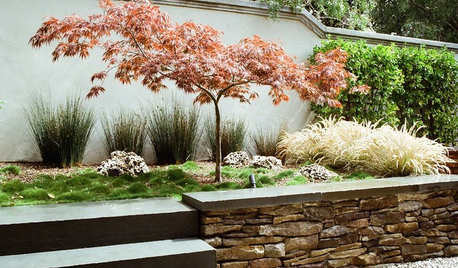
GARDENING AND LANDSCAPINGGreat Design Tree: Japanese Maple
Lacy form and fiery fall color make Japanese maple a welcome tree for garden or patio
Full Story
TRADITIONAL HOMESHouzz Tour: Historic Concord Grapevine Cottage’s Charms Restored
This famous property had fallen on hard times, but passionate homeowners lovingly brought it back
Full Story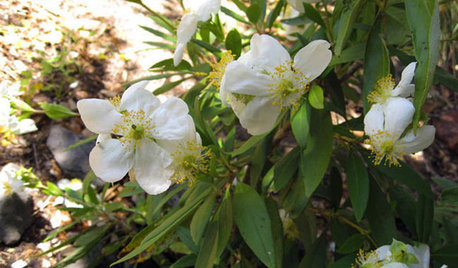
FLOWERSGreat Design Plant: Bush Anemone
Breathe in this shrub's sweet perfume while you're admiring its petite white flowers and the butterflies it brings
Full Story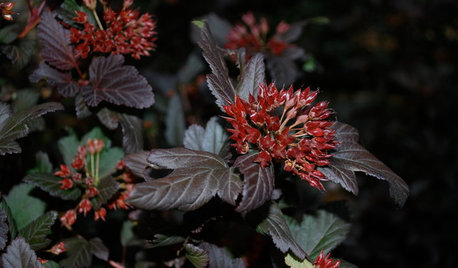
LANDSCAPE DESIGNGreat Design Plant: Sun-Loving Ninebark Puts on a Color Show
This tall, dark and handsome native shrub is equally at home in jeans and boots or in a suit and tie
Full Story
Jay 6a n.c. IL.