

Farmed Salmon?
9 years ago
Featured Answer
Sort by:Oldest
Comments (27)
 9 years ago
Related Discussions
Can anyone find me the link about farmed vs. wild fish?
Comments (19)There are two separate issues here. There is the issue of food safety and wholesomeness. And there is the issue of fish stock protection and preservation. Monterey Bay Aquarium's mission is the second one and they use the first as one of the arguments to support their case. I'm interested in both issues and sympathetic to both. But, here of the food forum, I think safety and wholesomeness of what we eat is the main concern. I think it has been established that salmon raised in pens flushed by the tides with unlimited quantities of sea water and fed a carefully formulated diet are high quality fish. Wild salmon, like any other wild fish is also fine with me, but it is a notch below the farmed salmon in quality I believe. By feeding off natural organisms there is some chance of being contaminated by parasites or bacteria. Not enough to worry me much, but enough for me to prefer farmed salmon for lox and sushi. The freshness of farmed salmon is another point in its favor. There is no delay between harvesting and processing. Wild fish spend some time, maybe a little, maybe a lot, in the hold of a boat prior to being landed. Again, I am not against eating wild caught fish, but farm raised salmon can't be bear in that resepect. I do avoid pond raised catfish, tilapia and shrimp. I suspect those shallow, warm water ponds must be overcrowded and unsanitary. It's not at all like salmon pens in the North Atlantic or the North Pacific. Yet, from the point of view of the Monterey Bay Aquarium, pond raised seafood should be highly preferred. Jim...See MoreCopper River Salmon..jumped into my cart today..
Comments (14)Most of the wild vs. farmed salmon controversy is political. The Monterey Bay Aquarium, for example, is in the business of advocating for sustainable fish populations. So their information is slanted in the direction of persuading us to do what is best (in their opinion) for the fish populations, not so much what is best on our dinner plate. They are pretty picky in their speculation of things which may possibly contaminate farmed salmon, but not concerned about contaminants in pond raised catfish or tilapia. As a conservationist and recreational fisherman, I am sympathetic to preservation of fish stocks. I have seen the striped bass virtually disappear from Cape Cod waters and then, fortunately, make an astounding comeback. I could relate many stories like that one, some with less fortunate outcomes. But that is a different issue from food safety. One of the few scientific studies I could find comparing wild to farmed salmon found parasites in every one of the sampled wild fish and none in the farmed fish. Other studies, looking for toxins such as PCBs, found insignificant differences at the parts per billion level between wild and farmed. Atlantic salmon is raised in large pens which are constantly flushed with tons of cold sea water. The ocean is large. Waste products are quickly diluted, unlike ponds where the same water is recirculated again and again. The salmon are fed a carefully formulated diet, just as farm animals are. Farmed salmon are not exposed to parasites as wild fish are in foraging for food. BTW, wild fish do not become infected with parasites from penned fish as is suggested by the Monterey Bay site. The penned fish have no parasites. An issue has been made about substances used color the flesh of the fish. The substances used are carotinoids, the same as used in chicken feed to give the chicken a nice color and the same as occur in fruits and vegetables. This issue makes me recall the days when dairy farmers in some states were able to have yellow color prohibited from use in margarine, making the pale stuff less appealing. Ironically, commercial butter often gets an assist from carotene too. I frequently make gravlox, using farmed Atlantic salmon. That way I can chow down inexpensively on a very tasty treat. I would not use wild salmon for this. Nor would I use wild salmon for sushi. Wild salmon is not suitable for raw eating unless is is first frozen to subzero temperatures to kill parasites. This long post barely scratches the surface or the wild vs. farmed salmon controversy. There are many issues. For example, I suspect that the availability of farmed salmon takes fishing pressure off the wild stocks. Doesn't that make sense? Unless I hear something convincing, I'll continue to enjoy lots of farmed salmon. Jim...See MoreAny Salmon Experts Out There?
Comments (27)I'm not a salmon expert but we live in Seattle and eat fresh (summer/fall) and frozen salmon (winter/spring) weekly. We only eat wild caught salmon from the Pacific. I have always been disappointment in the flavor of Atlantic salmon I've eaten. From my experience the color varies across species. For example, sockeye has the richest darkest color. King is often lighter. The color does seem to affect flavor, but I think the most important factor to my palette is freshness. The fresher the wildcaught pacific salmon is when eaten or frozen the better it tastes. We buy frozen from a local vendor that fillets and freezes on the boat so the frozen when defrosted still tastes great. The other thing is not to overcook it. I find defrosted frozen salmon takes less time to cook. If you live somewhere that does not have good access to really fresh salmon then I'd buy frozen and try and source boat processed salmon. I haven't tried Costco salmon but they are a Seattle company and I do think they source, in general, pretty good quality products. If you like it then really that's all that matters. Also, largely you get what you pay for with salmon. The exception is that if it's the first of the season it's a rip off and if it's the height of the season it's a great deal. But wild will typically cost more than farmed and Pacific probably more than Atlantic and those price differences are worth it IMHO....See MoreFarmed Salmon?
Comments (6)I don't eat farmed fish, but living 15 minutes from the Pacific ocean, why would I. I realize not everyone has the buying (and fishing) opportunities that we do. If someone invited me to dinner and had purchased farmed fish, I don't mean I would refuse it, I'd politely take a small serving, thank my host, but that rarely happens and I really have no reason to eat fish that isn't wild caught. Fish that has been in fresh cold water and eaten a natural and varied diet, not fish food pellets. I rarely even eat fish that has been frozen, but do occasionally. I find Copper River Salmon a blend of a good quality fish, and brilliant marketing. It's one of the earliest season available when everyone is hungry for fish that has not been frozen, and very high in fat reserves that its built up for its up river spawning run when some of the other species are still thin. I won't buy it when it first appears, but may when the price drops a little towards the end of its availability. In the 80s, no one bought it, it all went to canneries. It's the same fish, but now well enough known its a bit of a (tongue in cheek here) celebration, people given to having Copper River Salmon dinner parties. I'd be surprised if many could distinguish it (other than sockeye brighter color) from fresh well handled coastal Chinook, or even a Fall ocean caught silver when its built up its fat reserves. Key is fresh, and of course not overcooked. ETA - my Copper River comments didn't come out of the blue, it was mentioned on the thread this one is repeating ;0)...See More 9 years ago
- 9 years agolast modified: 9 years ago
- 9 years ago
 9 years agolast modified: 9 years ago
 9 years ago
 9 years ago
- 9 years ago
- 9 years ago
 9 years ago
- 9 years ago
- 9 years ago
 9 years ago
- 9 years agolast modified: 9 years ago
 9 years agolast modified: 9 years ago
- 9 years ago
- 9 years ago
- 9 years agolast modified: 9 years ago
- 9 years ago
 9 years ago
- 9 years ago
- 9 years ago
- 9 years ago
- 9 years agolast modified: 9 years ago
 9 years ago
 9 years ago
Related Stories
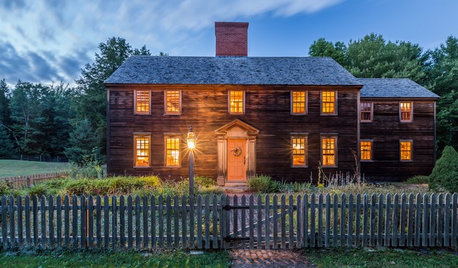
HOUZZ TOURSHouzz Tour: Colonial-Era Home Puts Down New Roots on a Farm
A 1740 historic home is bought disassembled and then reconstructed on-site in another state
Full Story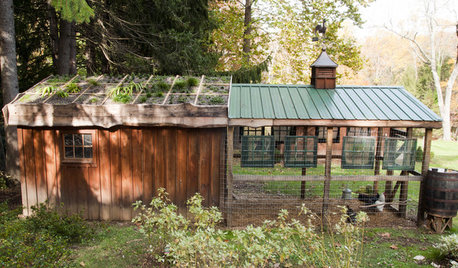
FARM YOUR YARDHouzz Call: Show Us Your One-of-a-Kind Chicken Coops
Do you have a fun or stylish backyard shelter for your feathered friends? Post your pictures and stories in the Comments!
Full Story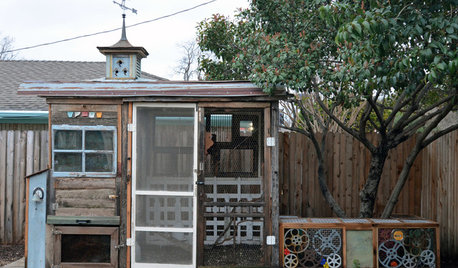
OUTBUILDINGSQuirky Meets Practical in a Dallas Chicken Coop
These hens have a stylish backyard coop built from recycled materials
Full Story
GARDENING FOR BUTTERFLIESGardening for the Bees, and Why It’s a Good Thing
When you discover how hard bees work for our food supply, you may never garden without them in mind again
Full Story
Houzz Tour: Warm and Traditional Northwest Home
A secret sliding bookcase and vintage pieces add a family's personalized touch
Full Story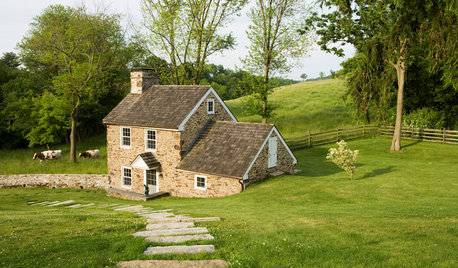
BEFORE AND AFTERSRestoration Rallies a 1790 Stone Springhouse
An old outbuilding gets a new purpose — several purposes, that is — thanks to careful efforts by stonemasons and architects
Full Story
EXTERIORS8 Homes With Exterior Paint Colors Done Right
Get ideas for an exterior palette from these homes that run the gamut from Mediterranean to modern
Full Story
MOST POPULARHomeowners Give the Pink Sink Some Love
When it comes to pastel sinks in a vintage bath, some people love ’em and leave ’em. Would you?
Full Story
REMODELING GUIDESOriginal Home Details: What to Keep, What to Cast Off
Renovate an older home without regrets with this insight on the details worth preserving
Full Story
LIFEHouzz Call: Show Us the House You Grew Up In
Share a photo and story about your childhood home. Does it influence your design tastes today?
Full Story
Sammy