

The order of things
9 years ago
Featured Answer
Sort by:Oldest
Comments (17)
 9 years ago
 9 years ago
Related Discussions
General Order of Finishes
Comments (16)Hi Jay, Just a few tips before you hang that dry wall. 1) Did you install blocking for all those bathroom fixtures you wanted. I.E. a towel rail, toilet paper holder, shower curtain rod will need extra wood support behind the dry wall? 2) Did you install extra wood blocking behing the try wall for all areas you want to hang a plasma / LCD television? 3) Did you install all the Audio visual cables for your plasma television. HDMI, RGB, Component Video. RG6 Coazial, Ethernet? 4) Did you put all the correct shower valves in. Note these have to be behind the sheetrock. 5) Did you put blocking in to hang your kitchen cabinets? 6) Electrical wiring. I guess your GC should have done this, but do you have a LIVE, NEUTRAL and GRND at all the light switches. Why? because if you want to install some of the more fancy Z-Wave home automation switches in the future you need LIVE, NEUTRAl and GROUND at the switch box for them to work. The rest can be handled in what ever order seems convenient. best, Mike....See MoreJust starting the build ...what order to think about things?
Comments (5)Brick Color is first. You will need to decide on an overall color scheme for the exterior of the house, and pick a brick that matches. If you home has an all brick exterior, this will be easier. Then Shingle color. This will go on right after framing. Window color is also crucial at this point. Windows will need to be ordered in the first week of framing. White on white comes in quicker, custom colors can take quite a bit of time. Showers also need to be installed before rough-in or before any siding or brick is put up, if you are using the one-piece fiberglass shower/tubs. These are much easier to put in during framing. (If you are using these, look at AKER brand. IMO,they have the best value in a builder grade shower, very strong, and made from an acrylic gel-coat). If you want anything custom, it is close to time to order these showers. You have some time on the rest, (flooring,interior paint, countertop material/ color, etc.) but not alot! You need to be making decisions on the items mentioned above soon! This will help prevent costly delays, waiting on things to come in. Good Luck, we are in the exact same stage. We have all of our permits, and we are waiting for the state to put in a driveway swale pipe so that the grader can get in and work. It is so frustrating waiting on the state! They have already cost us a week, and these long summer days are impossible to recover! ARGH!!!...See MoreOrder of things - cabinets, flooring, painting
Comments (6)Solid, site finished hardwoods goes in before cabinets; engineered, prefinished wood either way; after cabs is marginally a better idea, but you have to shim up the cabinets so the appliances aren't too high in relation. Painting. For the love of all that is good and right, at least prime the walls before the cabinets go in. Even better, do the first color coat, too. Finish the ceilings totally, but if you're doing a crown that touches the ceiling, you may need to touch up marks and fingerprints. If you site-finish the flooring, the very best thing is to do all of the finishing except one final coat of varnish before the cabinets go in. Then the last thing is a final finish coat, and all the slight scratches are taken care of. Casey...See Moreorder of things to be done - kitchen remodeling
Comments (13)An interesting segway from the topic,"order of things to be done - kitchen remodeling." The following is the product of some 30 odd years of remodeling experience. 1) Define the exact area you intend to address. 2) In a kitchen remodel finalize the list of new appliances, plumbing fixtures and obtain installation brochures.Will these selections require changes in your existing elec. and plumbing services. 3) On graph paper, develop a floor plan with the appliances placed. 4) Select the cabinets, counter and floor covering material. NOTE:Keep in mind that "bag-n-box" cabinets, those available from the "big box stores" dimensions are generally divisible by 3" and have a standard toe kick of 4", and that variations are available at an "up-charge." Custom cabinets do not carry these limitations and you can have a 5" toe kick to compensate for the height of the flooring. 5) Electrical; Do you have enough counter recep. Are you planning for under cabinet lighting. Are you changing your area illumination. Do you have two appliance circuits.(All counter recp. must be GFI protected. Do you have separate circuits for your DW,Disp., Trash compactor, Microwave and Instant HW? 6) Plumbing; Are you replacing the sink in-kind, or enlarging? Are you adding any under sink appliances? Is your new DW a single appliance or Dish Drawers? Are you installing Instant H/W or a Tap-master? Is your Ref. water supply in the right location? NOTE:Know the product, get estimates, finalize your budget, make the necessary adjustments. 7) Demo the cabinets, order the new, complete all the framing, elec. and plumbing changes, installation of windows, patching of damaged wall areas, prime with BIN or Zinser. 8) If you are installing "bag-n-box" cabinets, anchor 1x3 in the cabinet footprint to adjust the for the thickness of the new flooring. Custom should have been ordered with 5" toe kick. Set 3/4" OSB where all under counter appliances are to be installed. Set the rough top and the sink, if it is an under-mount. Stain and finish custom cabinets. 9) Install the counters, appliances, finish elec. lighting and plumbing. Finish painting and wall coverings. Install flooring. Why the flooring last? The only person on the floor after everything that can drug across and or dropped on it, is the homeowner....See More 9 years ago
 9 years ago
 9 years ago
- 9 years ago
 9 years ago
- 9 years ago
- 9 years ago
- 9 years ago
- 9 years ago
- 9 years ago
- 9 years ago
 9 years ago
 9 years ago
- 9 years ago
Related Stories
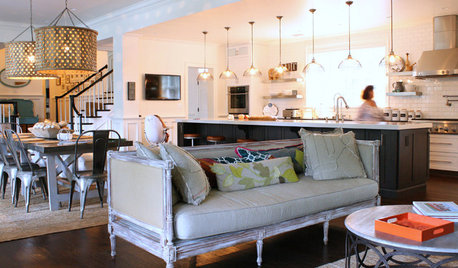
HOUZZ TOURSMy Houzz: Home Full of Boys Achieves Order and Inspiration
A 3-month overhaul produces an organized and inviting space fit for this Florida family of 9
Full Story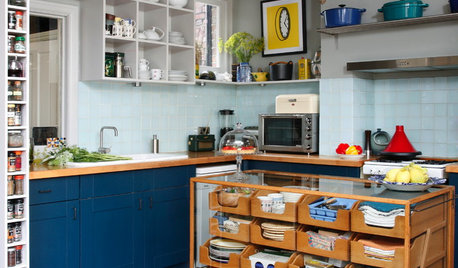
DECORATING GUIDESHow to Bring Order to Your Delightfully Eclectic Room
You've picked up your furniture and finds over the years — here's how to tie it all together
Full Story
ORGANIZINGGuest Picks: Get Your Life in Order
When there's a place for everything, keeping everything orderly is a far easier feat
Full Story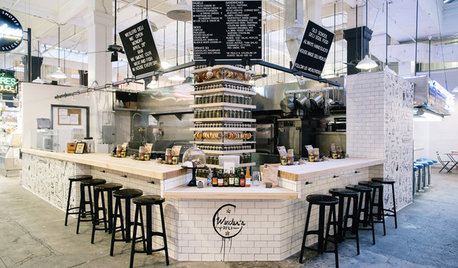
PRODUCT PICKSGuest Picks: Order Up a Deli-Style Kitchen
Give your kitchen restaurant flair with industrial touches in wood, black and white
Full Story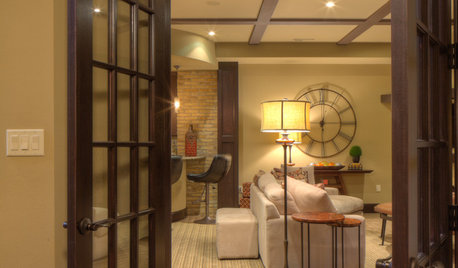
BASEMENTSBasement of the Week: Tall-Order Design for a Lower-Level Lounge
High ceilings and other custom-tailored features in this new-build Wisconsin basement put the tall homeowners in a good headspace
Full Story
GARDENING GUIDESGreat Design Plant: Ironweed Fills Tall Garden Orders
Height, a slender form and a taste for wet soil make this native perfect for rain garden borders — and beneficial insects love it
Full Story
REMODELING GUIDES10 Things to Ask Your Contractor Before You Start Your Project
Ask these questions before signing with a contractor for better communication and fewer surprises
Full Story
REMODELING GUIDES7 Bad Things Your Home May Be Hiding
What you don't know about your home could cost you during a remodel. Here's what to plan for
Full Story
HOUSEKEEPING10 Things Neat Freaks Know to Be True
Do you err on the incredibly tidy side? Then you probably already live by these nuggets of neat wisdom
Full Story
MOST POPULAR8 Things Successful Architects and Designers Do
Good architects tell a story and engage the senses. They understand the rules — and know when to break them
Full Story
lindac92