

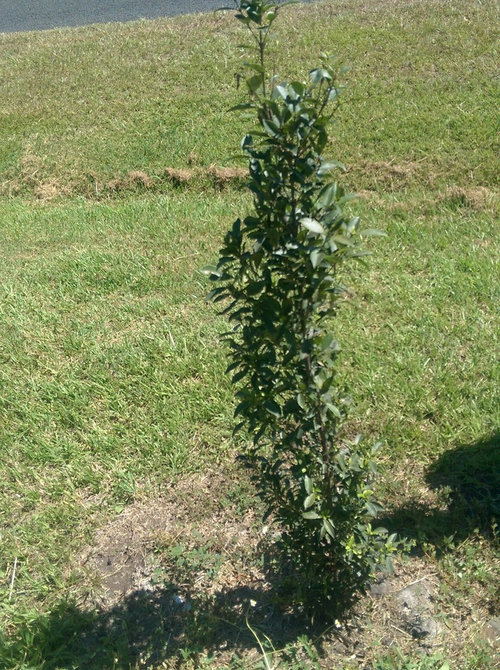
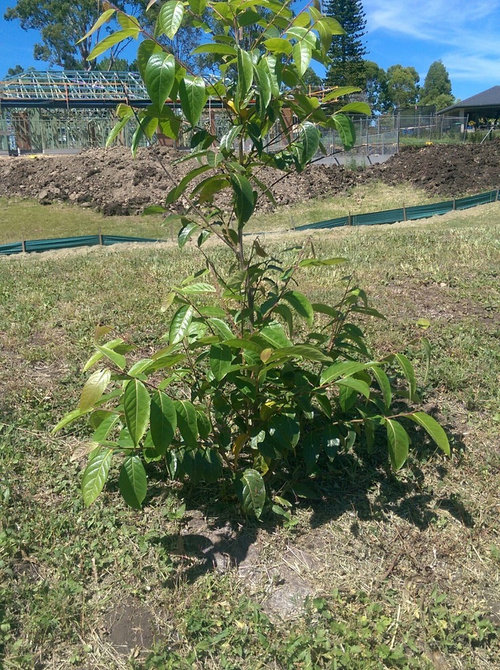
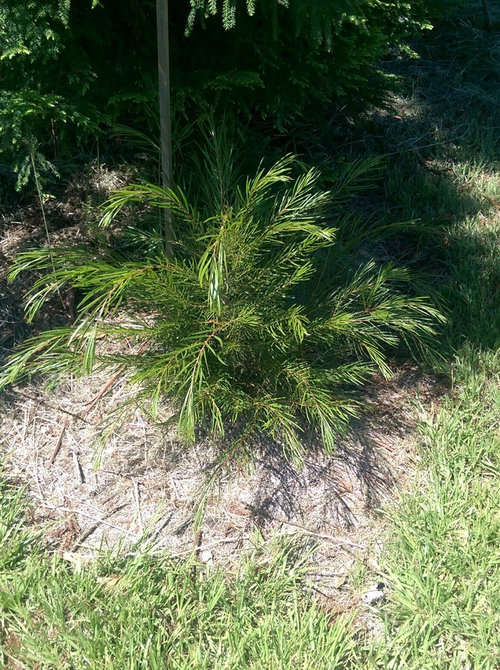
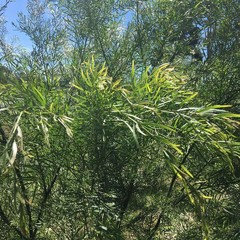
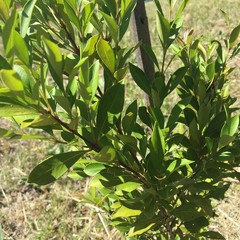
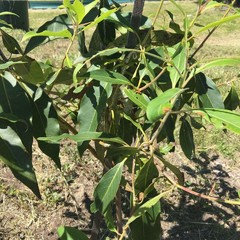
Tree identification.
9 years ago
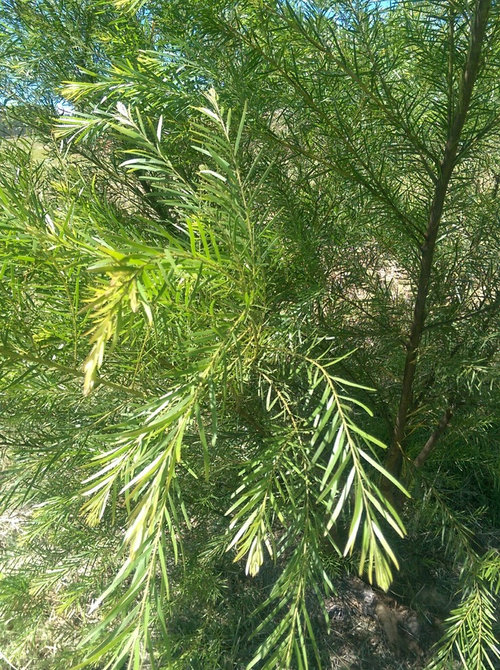
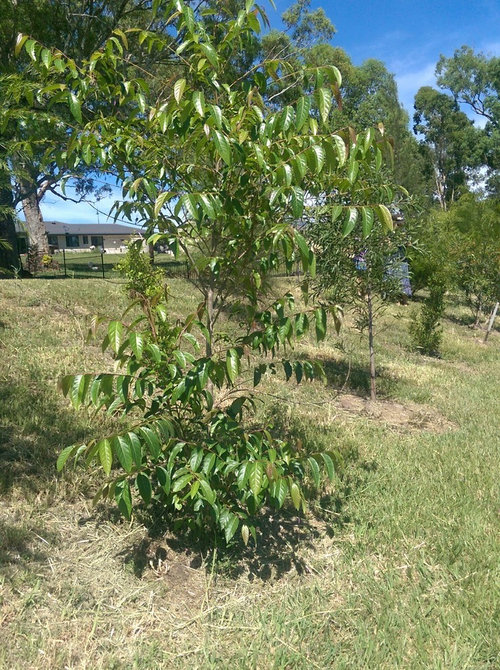
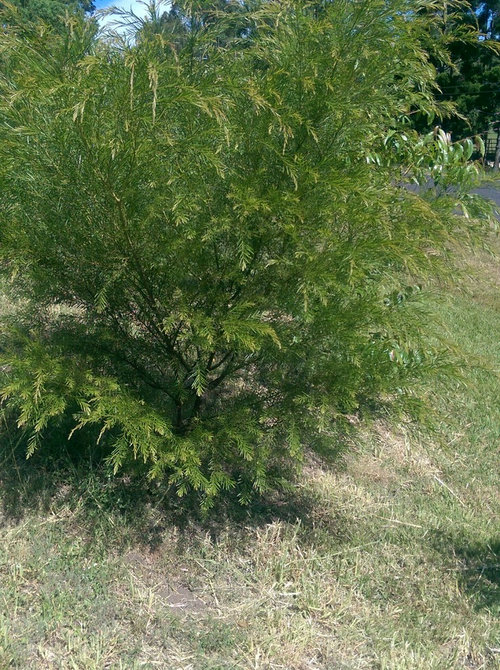
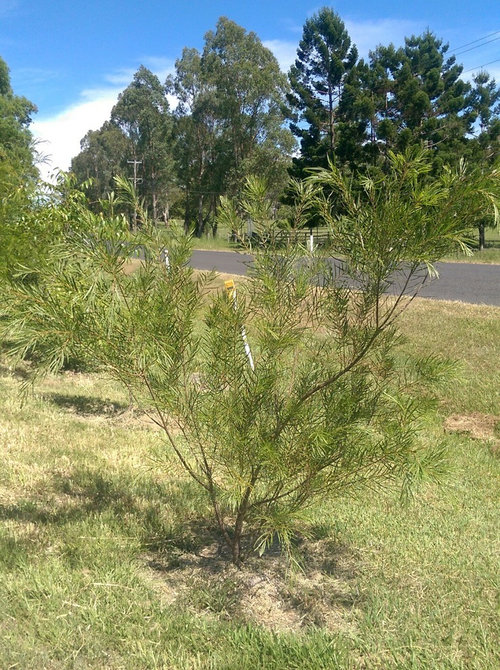
Featured Answer
Sort by:Oldest
Comments (8)
 9 years ago
- 9 years ago
Related Discussions
Need Help With Tree Identification & Also Tree Planting Advice
Comments (4)out of focus really doesnt help ... but it doesnt look like pine to me ... im thinking abies ... fir ... but im cant even feel secure on that with the blur ... where are they ... z5 is half the US ... as trees.. no conifer stops growing at some magical height ... its all about annual growth rate .. and how fast the get to height and go right past it.. most size estimates in conifers is at 10 years .. double the size at 20 .... are there power lines?? why 25'? and how long is the installation ... or are you talking one plant???? one thing for sure.. plant a diversity of plants ... if more than one ... ken...See Morefig tree identification
Comments (13)Billy, You are a fountain of information. Thanks for all the references. The "15 fig count/gallon pot size," guideline is a very good one. Here is what I do to try to keep those robust trees from going over that limit, thus producing smaller, later ripening figs: I prune my trees after leaf fall and before they are brought in for their winter sleep in cold storage, inside. I try to keep in mind that each 2-3 leaf scar at the outermost tip of most of the husky last year's growths will sprout new growth in spring. Each of these new growth stems will produce 5-6 figs when pinched at their 6th. leaf stage of growth. Also, if the pinched tip sprouts a stem or two after being pinched, a few more figs will form on them. which figs will usually be smallish and/or ripen too late, so I don't count them in my calculations. They may ripen and be pretty good, so are a bonus, but still are not factored into the equation. When brought out in spring each fig is slipped out of its pot on a sturdy outside bench to check if it's spring for root pruning or not. Root pruning usually is an every 2-3 year event. So, it's top pruning in fall and, root pruning (when needed), in spring, After all the tree's root/repotting care is finished, it is set out where it will grow all summer. I prune in fall so it's easier to move the tree around without breaking branches. I don't like to mess with root pruning in fall so as not to encourage root rot during winter storage. Also, there's enough work in pruning, training, and lugging inside in the fall. When the spring sprouts are about 2" long I select the best spaced, biggest, healthiest, etc. , ones, counting 3 per gallon of the corresponding pot size, and pinch off all the others where they emerged from last year's stem. 3 sprouts means 15 figs, 5 each sprout. This system works very well for me. Moses...See MoreTree Identification - small yellow fruits?
Comments (12)Happy to go with P.gracilor (Syn. Afrocarpus), and that interesting article explains how a relatively obscure African tree arrived in the USA. But I did note this line... "...it has recently been reclassified into the new genus Afrocarpus on the basis of its fruiting structure, with some botanists considering it a variety of Afrocarpus falcatus and others retaining its separate species designation."...See MoreTree identification
Comments (3)Hackberry? Celtis species. btw for future reference, please say where the plant you want identified is located. Geographical location makes a lot of difference to what it is likely to be. eta the transatlantic time lag got me again. beng's definite id wasn't there when I posted....See More- 9 years ago
- 9 years ago
- 9 years ago
- 9 years ago


Related Stories
TREESNative Plant Alternatives to Invasive Common Buckthorn
Learn how to identify and control this aggressive plant, and what to grow in its place
Full Story
GARDENING FOR BUTTERFLIESA Quick-Start Guide to Bird-Watching for Fun and Learning
Set out some seed and grab your field guide. Bird-watching is an easy, entertaining and educational activity for the whole family
Full Story
HOUSEPLANTS10 Top Plants to Grow Indoors
Brighten a room and clean the air with a houseplant that cascades artfully, stretches toward the ceiling or looks great on a wall
Full Story
GARDENING FOR BIRDSWild Birds Transform a Woman’s Garden and Life
How Sharon Sorenson created a wildlife haven and became the Bird Lady of Southern Indiana
Full StoryGARDENING GUIDESHow to Find the Right Native Plants for Your Yard
Find plant maps, sale sites and guides that make going native in the garden easier than ever
Full Story
GARDENING GUIDESHow to Find the Right Plants for Your Garden
Break free from choosing plants by cold-hardiness zones for a beautiful landscape that thrives year-round
Full Story
GARDENING GUIDES6 Steps to Creating Your Butterfly Garden
Encourage these fanciful winged beauties to visit your garden while helping restore their fragmented habitat
Full Story
ORGANIZINGHelp for Whittling Down the Photo Pile
Consider these 6 points your personal pare-down assistant, making organizing your photo collection easier
Full Story
GARDENING GUIDESRocky Mountain Gardener's September Checklist
Sharpen your spade and grab your gloves — warm days and cool nights in the garden mean it's planting time
Full Story
URBAN GARDENS9 Creative Ways With Plants, No Yard Required
See how designers and homeowners cleverly incorporate container gardens into their home designs
Full StorySponsored
tete_a_tete